

Std Dev’s = 100, USL’s = 1000, Bott DNS = 2σ, Dist DNS = 4σ
Fraction of Samples
0.40
0.35
0.30
0.25
0.20
0.15
0.10
0.05
0.00
–1000
–800
–600
–400
–200
0
200
400
600
800
1000
–ppm Light Key in Bottoms (Tray Temp) ppm Heavy Key in Distillate
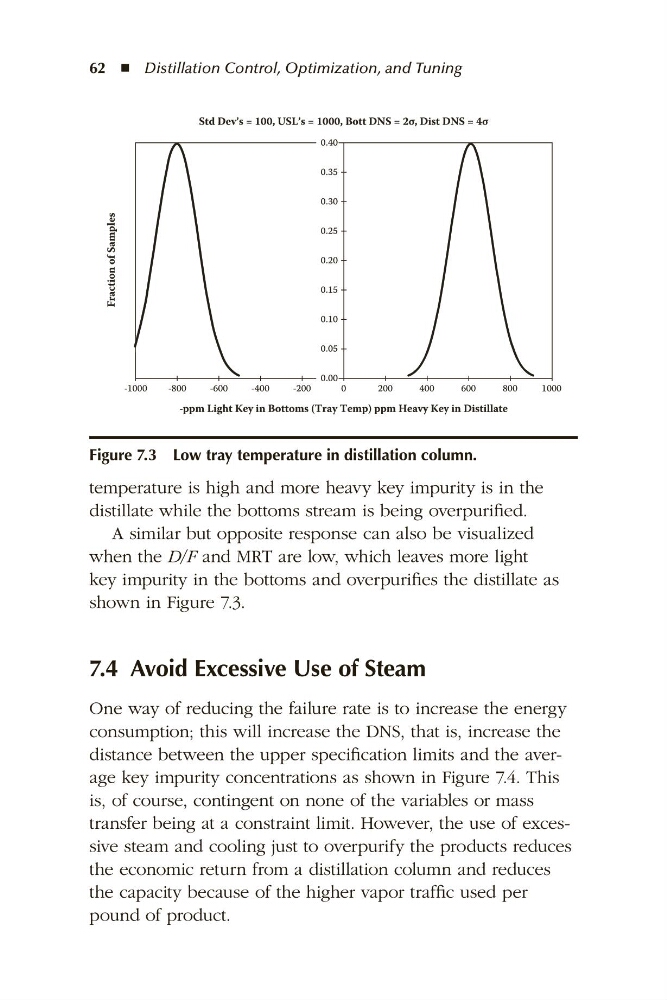
Figure 7.3 Low tray temperature in distillation column.
62 ◾ Distillation Control, Optimization, and Tuning
temperature is high and more heavy key impurity is in the
distillate while the bottoms stream is being overpurified.
A similar but opposite response can also be visualized
when the D/F and MRT are low, which leaves more light
key impurity in the bottoms and overpurifies the distillate as
shown in Figure 7.3.
7.4 Avoid Excessive Use of Steam
One way of reducing the failure rate is to increase the energy
consumption; this will increase the DNS, that is, increase the
distance between the upper specification limits and the average key impurity concentrations as shown in Figure 7.4. This
is, of course, contingent on none of the variables or mass
transfer being at a constraint limit. However, the use of excessive steam and cooling just to overpurify the products reduces
the economic return from a distillation column and reduces
the capacity because of the higher vapor traffic used per
pound of product.