

microbial contaminants is the digestive tract of humans and warm-blooded animals
or the aquatic environment itself. Microbial contaminants may reach the aquatic
environment via wastewater treatment plant discharges, urban combined sewer
overflows, sanitation system failures, agricultural and urban runoff, and direct
dejection of breeding or wild animals.
In the Paris area, thanks to major improvements in wastewater treatment, the
microbiological quality of water has improved significantly since the mid-1980s, and
the desire to engage in swimming activities in rivers in the Paris agglomeration is
spreading among the population. This objective is shared by the local authorities of
Ile-de-France who wish to create or reopen bathing areas in urban rivers. Indeed, the
Syndicat Marne Vive and the relevant actors of the urban Marne River have planned
to open bathing areas in 2022. Similarly, the city of Paris supports a project to
organize swimming events in open water in the Seine River, especially during the
Olympic Games in 2024. The opportunity to bathe in urban river water motivates the
development of renewed water policies in the urban area.
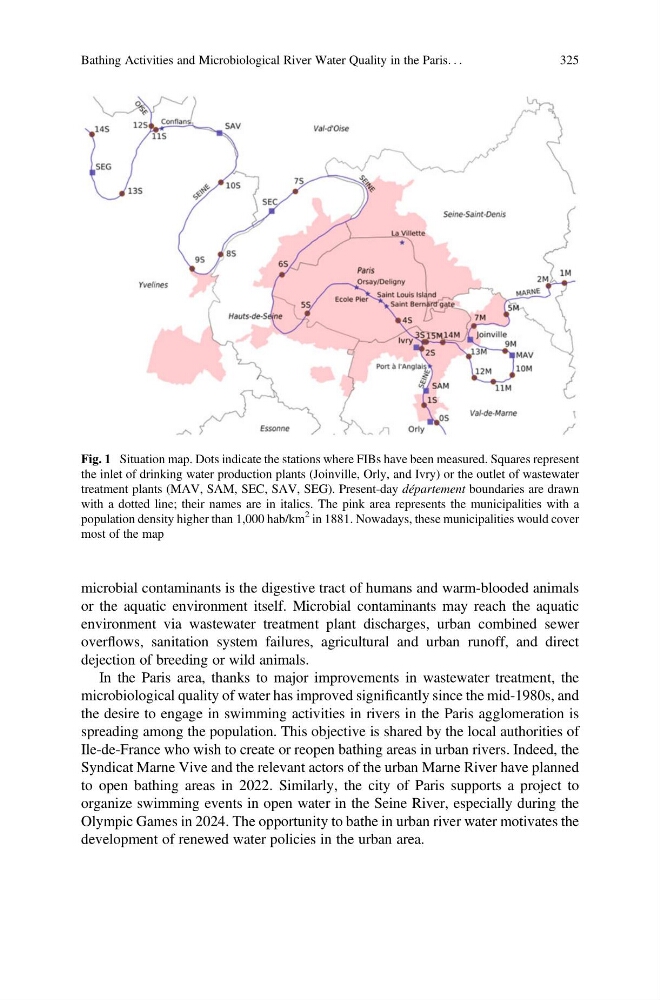
Fig. 1 Situation map. Dots indicate the stations where FIBs have been measured. Squares represent
the inlet of drinking water production plants (Joinville, Orly, and Ivry) or the outlet of wastewater
treatment plants (MAV, SAM, SEC, SAV, SEG). Present-day département boundaries are drawn
with a dotted line; their names are in italics. The pink area represents the municipalities with a
population density higher than 1,000 hab/km
2 in 1881. Nowadays, these municipalities would cover
most of the map
Bathing Activities and Microbiological River Water Quality in the Paris. . .
325
or the aquatic environment itself. Microbial contaminants may reach the aquatic
environment via wastewater treatment plant discharges, urban combined sewer
overflows, sanitation system failures, agricultural and urban runoff, and direct
dejection of breeding or wild animals.
In the Paris area, thanks to major improvements in wastewater treatment, the
microbiological quality of water has improved significantly since the mid-1980s, and
the desire to engage in swimming activities in rivers in the Paris agglomeration is
spreading among the population. This objective is shared by the local authorities of
Ile-de-France who wish to create or reopen bathing areas in urban rivers. Indeed, the
Syndicat Marne Vive and the relevant actors of the urban Marne River have planned
to open bathing areas in 2022. Similarly, the city of Paris supports a project to
organize swimming events in open water in the Seine River, especially during the
Olympic Games in 2024. The opportunity to bathe in urban river water motivates the
development of renewed water policies in the urban area.
Fig. 1 Situation map. Dots indicate the stations where FIBs have been measured. Squares represent
the inlet of drinking water production plants (Joinville, Orly, and Ivry) or the outlet of wastewater
treatment plants (MAV, SAM, SEC, SAV, SEG). Present-day département boundaries are drawn
with a dotted line; their names are in italics. The pink area represents the municipalities with a
population density higher than 1,000 hab/km
2 in 1881. Nowadays, these municipalities would cover
most of the map
Bathing Activities and Microbiological River Water Quality in the Paris. . .
325