

247
and many more chemical industries (Strater et al. 2010). Table 10.2 indicates the
major sources of heavy metal.
According to World Health Organization, about one billion people do not get
pure drinking water and that number is increasing day by day. Thus millions of
people are suffering from different types of diseases due to contact with poisonous
metals. Clean water scarcity is the second most vital issue after oxygen worldwide.
Short-term illness
Depression
Lethargy
Chronic bronchitis
Dermatitis
Nausea
Carcinogenic
Liver damage
Irritation of nose, mouth,
eyes
Headache
Diarrhea
Wilson disease
Insomnia
Allergie dermatitis
Carcinogenic
Diarrhea
Nausea and vomiting
Carcinogenic
Kidney damage
Renal disorder
Dyspnca
Weight loss
Brain damage
Diminishing IQ
Circulatory and nervous
system problem
Dermatitis
Kidney diseases
Rheumatoid arthritis
Carcinogenic
Skin damage
Gastrointestinal effects
As
Zn
Ni
Cu
Cr
Heavy
Metals
Cd
Pb
Hg
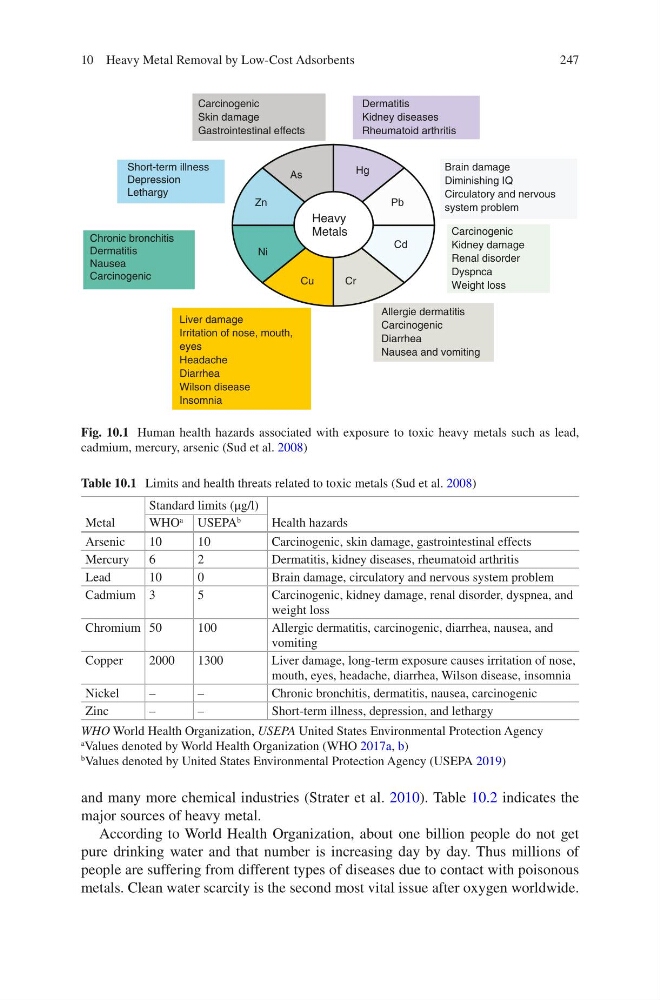
Fig. 10.1 Human health hazards associated with exposure to toxic heavy metals such as lead,
cadmium, mercury, arsenic (Sud et al. 2008)
Table 10.1 Limits and health threats related to toxic metals (Sud et al. 2008)
Metal
Standard limits (μg/l)
Health hazards
WHO
a
USEPA
b
Arsenic
10
10
Carcinogenic, skin damage, gastrointestinal effects
Mercury
6
2
Dermatitis, kidney diseases, rheumatoid arthritis
Lead
10
0
Brain damage, circulatory and nervous system problem
Cadmium 3
5
Carcinogenic, kidney damage, renal disorder, dyspnea, and
weight loss
Chromium 50
100
Allergic dermatitis, carcinogenic, diarrhea, nausea, and
vomiting
Copper
2000
1300
Liver damage, long-term exposure causes irritation of nose,
mouth, eyes, headache, diarrhea, Wilson disease, insomnia
Nickel
–
–
Chronic bronchitis, dermatitis, nausea, carcinogenic
Zinc
–
–
Short-term illness, depression, and lethargy
WHO World Health Organization, USEPA United States Environmental Protection Agency
a Values denoted by World Health Organization (WHO 2017a, b)
b
Values denoted by United States Environmental Protection Agency (USEPA 2019)
10 Heavy Metal Removal by Low-Cost Adsorbents
and many more chemical industries (Strater et al. 2010). Table 10.2 indicates the
major sources of heavy metal.
According to World Health Organization, about one billion people do not get
pure drinking water and that number is increasing day by day. Thus millions of
people are suffering from different types of diseases due to contact with poisonous
metals. Clean water scarcity is the second most vital issue after oxygen worldwide.
Short-term illness
Depression
Lethargy
Chronic bronchitis
Dermatitis
Nausea
Carcinogenic
Liver damage
Irritation of nose, mouth,
eyes
Headache
Diarrhea
Wilson disease
Insomnia
Allergie dermatitis
Carcinogenic
Diarrhea
Nausea and vomiting
Carcinogenic
Kidney damage
Renal disorder
Dyspnca
Weight loss
Brain damage
Diminishing IQ
Circulatory and nervous
system problem
Dermatitis
Kidney diseases
Rheumatoid arthritis
Carcinogenic
Skin damage
Gastrointestinal effects
As
Zn
Ni
Cu
Cr
Heavy
Metals
Cd
Pb
Hg
Fig. 10.1 Human health hazards associated with exposure to toxic heavy metals such as lead,
cadmium, mercury, arsenic (Sud et al. 2008)
Table 10.1 Limits and health threats related to toxic metals (Sud et al. 2008)
Metal
Standard limits (μg/l)
Health hazards
WHO
a
USEPA
b
Arsenic
10
10
Carcinogenic, skin damage, gastrointestinal effects
Mercury
6
2
Dermatitis, kidney diseases, rheumatoid arthritis
Lead
10
0
Brain damage, circulatory and nervous system problem
Cadmium 3
5
Carcinogenic, kidney damage, renal disorder, dyspnea, and
weight loss
Chromium 50
100
Allergic dermatitis, carcinogenic, diarrhea, nausea, and
vomiting
Copper
2000
1300
Liver damage, long-term exposure causes irritation of nose,
mouth, eyes, headache, diarrhea, Wilson disease, insomnia
Nickel
–
–
Chronic bronchitis, dermatitis, nausea, carcinogenic
Zinc
–
–
Short-term illness, depression, and lethargy
WHO World Health Organization, USEPA United States Environmental Protection Agency
a Values denoted by World Health Organization (WHO 2017a, b)
b
Values denoted by United States Environmental Protection Agency (USEPA 2019)
10 Heavy Metal Removal by Low-Cost Adsorbents