

soils classified as medium or poor quality
(Bański 2010; Kabała et al. 2016). The rate of
carbon accumulation is reduced by the large
proportion of acid soils (nationally, the share of
soils with very high or high acidification is over
60%), as these have a low retention capacity and
low humus content. The structure of crops on
arable lands is dominated by cereals, whose share
amounts to approx. 72%. The shares of pulse,
industrial and root crops are decidedly smaller. In
Poland systems of large-scale management with
crop monocultures and simplified crop rotation
(especially on the grounds of the former State
Agricultural Farm) are still in use, often
employing inappropriate cultivation technologies. This method of management triggers erosion processes that contribute to the reduction of
soil organic matter and limited soil carbon
sequestration.
In order to diagnose the situation of agriculture and rural areas in terms of low carbon
economy in Poland, as well as the possible use of
their resources towards low carbon development
of local governments, a SWOT (Strengths and
Weaknesses, Opportunities and Threats) analysis
was made. SWOT analysis is frequently used in
environmental management as a diagnostic
method to identify key factors influencing the
success or failure of a specific project. The
standard application of SWOT analysis is based
on a template, which provides the necessary
heuristics to examine future prospects. This
investigation is structured in terms of potential
that may promote, or barriers that may hinder,
the achievement of the specified goals. The result
of the SWOT analysis offers insights concerning
the trajectory of the strategic planning categorized in “strengths” that should be supported (i.e.,
inner potential), “opportunities” that have to be
sought (i.e., environmental prospects), “weaknesses” that must be overcome (i.e., inner barriers), and “threats” that ought to be alleviated (i.e.,
environmental hindrances) (Lozano and Vallés
2007; Hovardas 2015). The SWOT analysis
carried out in this paper includes a comprehensive literature review, in-depth data analysis
(e.g., public statistics data and Agricultural
Market Agency data), as well as data and results
from earlier studies.
In order to properly diagnose the situation of
agriculture and rural areas in terms of low carbon
economy in Poland, the main strengths, weaknesses, opportunities and threats were identified in
two key elements such as maintenance or increase
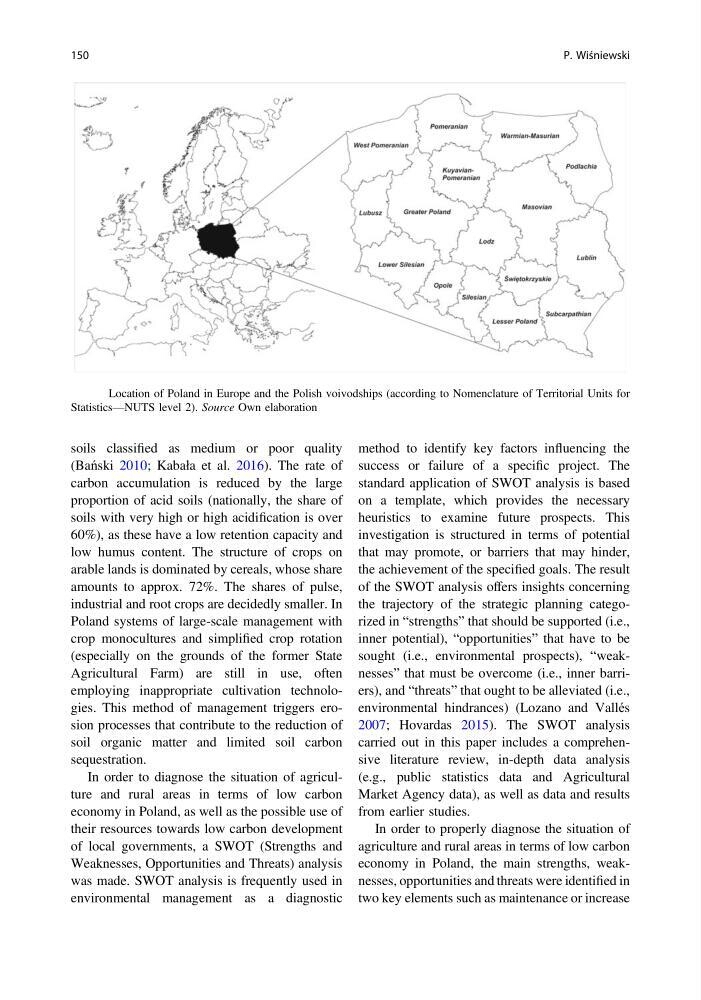
Fig. 1 Location of Poland in Europe and the Polish voivodships (according to Nomenclature of Territorial Units for
Statistics—NUTS level 2). Source Own elaboration
150
P. Wiśniewski
(Bański 2010; Kabała et al. 2016). The rate of
carbon accumulation is reduced by the large
proportion of acid soils (nationally, the share of
soils with very high or high acidification is over
60%), as these have a low retention capacity and
low humus content. The structure of crops on
arable lands is dominated by cereals, whose share
amounts to approx. 72%. The shares of pulse,
industrial and root crops are decidedly smaller. In
Poland systems of large-scale management with
crop monocultures and simplified crop rotation
(especially on the grounds of the former State
Agricultural Farm) are still in use, often
employing inappropriate cultivation technologies. This method of management triggers erosion processes that contribute to the reduction of
soil organic matter and limited soil carbon
sequestration.
In order to diagnose the situation of agriculture and rural areas in terms of low carbon
economy in Poland, as well as the possible use of
their resources towards low carbon development
of local governments, a SWOT (Strengths and
Weaknesses, Opportunities and Threats) analysis
was made. SWOT analysis is frequently used in
environmental management as a diagnostic
method to identify key factors influencing the
success or failure of a specific project. The
standard application of SWOT analysis is based
on a template, which provides the necessary
heuristics to examine future prospects. This
investigation is structured in terms of potential
that may promote, or barriers that may hinder,
the achievement of the specified goals. The result
of the SWOT analysis offers insights concerning
the trajectory of the strategic planning categorized in “strengths” that should be supported (i.e.,
inner potential), “opportunities” that have to be
sought (i.e., environmental prospects), “weaknesses” that must be overcome (i.e., inner barriers), and “threats” that ought to be alleviated (i.e.,
environmental hindrances) (Lozano and Vallés
2007; Hovardas 2015). The SWOT analysis
carried out in this paper includes a comprehensive literature review, in-depth data analysis
(e.g., public statistics data and Agricultural
Market Agency data), as well as data and results
from earlier studies.
In order to properly diagnose the situation of
agriculture and rural areas in terms of low carbon
economy in Poland, the main strengths, weaknesses, opportunities and threats were identified in
two key elements such as maintenance or increase
Fig. 1 Location of Poland in Europe and the Polish voivodships (according to Nomenclature of Territorial Units for
Statistics—NUTS level 2). Source Own elaboration
150
P. Wiśniewski