

can verify that M cheated because the warranty signed by
M’s long-term key K M and the transaction in step (4) are
presented publicly in the blockchain before time t 1 , and the
published warranty signed by Alice’s private key K out to
prove the correctness of the theft complaint.
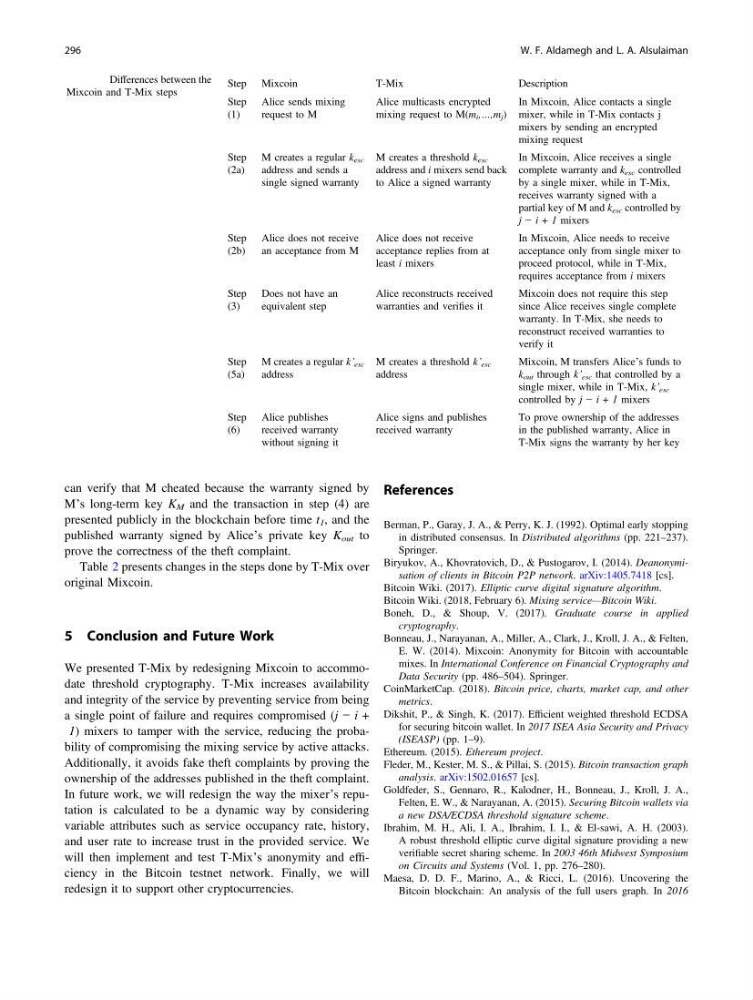
Table 2 presents changes in the steps done by T-Mix over
original Mixcoin.
5 Conclusion and Future Work
We presented T-Mix by redesigning Mixcoin to accommodate threshold cryptography. T-Mix increases availability
and integrity of the service by preventing service from being
a single point of failure and requires compromised (j − i +
1) mixers to tamper with the service, reducing the probability of compromising the mixing service by active attacks.
Additionally, it avoids fake theft complaints by proving the
ownership of the addresses published in the theft complaint.
In future work, we will redesign the way the mixer’s reputation is calculated to be a dynamic way by considering
variable attributes such as service occupancy rate, history,
and user rate to increase trust in the provided service. We
will then implement and test T-Mix’s anonymity and efficiency in the Bitcoin testnet network. Finally, we will
redesign it to support other cryptocurrencies.
References
Berman, P., Garay, J. A., & Perry, K. J. (1992). Optimal early stopping
in distributed consensus. In Distributed algorithms (pp. 221–237).
Springer.
Biryukov, A., Khovratovich, D., & Pustogarov, I. (2014). Deanonymisation of clients in Bitcoin P2P network. arXiv:1405.7418 [cs].
Bitcoin Wiki. (2017). Elliptic curve digital signature algorithm.
Bitcoin Wiki. (2018, February 6). Mixing service—Bitcoin Wiki.
Boneh, D., & Shoup, V. (2017). Graduate course in applied
cryptography.
Bonneau, J., Narayanan, A., Miller, A., Clark, J., Kroll, J. A., & Felten,
E. W. (2014). Mixcoin: Anonymity for Bitcoin with accountable
mixes. In International Conference on Financial Cryptography and
Data Security (pp. 486–504). Springer.
CoinMarketCap. (2018). Bitcoin price, charts, market cap, and other
metrics.
Dikshit, P., & Singh, K. (2017). Efficient weighted threshold ECDSA
for securing bitcoin wallet. In 2017 ISEA Asia Security and Privacy
(ISEASP) (pp. 1–9).
Ethereum. (2015). Ethereum project.
Fleder, M., Kester, M. S., & Pillai, S. (2015). Bitcoin transaction graph
analysis. arXiv:1502.01657 [cs].
Goldfeder, S., Gennaro, R., Kalodner, H., Bonneau, J., Kroll, J. A.,
Felten, E. W., & Narayanan, A. (2015). Securing Bitcoin wallets via
a new DSA/ECDSA threshold signature scheme.
Ibrahim, M. H., Ali, I. A., Ibrahim, I. I., & El-sawi, A. H. (2003).
A robust threshold elliptic curve digital signature providing a new
verifiable secret sharing scheme. In 2003 46th Midwest Symposium
on Circuits and Systems (Vol. 1, pp. 276–280).
Maesa, D. D. F., Marino, A., & Ricci, L. (2016). Uncovering the
Bitcoin blockchain: An analysis of the full users graph. In 2016
Table 2 Differences between the
Mixcoin and T-Mix steps
Step Mixcoin
T-Mix
Description
Step
(1)
Alice sends mixing
request to M
Alice multicasts encrypted
mixing request to M(m i ,…,m j )
In Mixcoin, Alice contacts a single
mixer, while in T-Mix contacts j
mixers by sending an encrypted
mixing request
Step
(2a)
M creates a regular k esc
address and sends a
single signed warranty
M creates a threshold k esc
address and i mixers send back
to Alice a signed warranty
In Mixcoin, Alice receives a single
complete warranty and k esc controlled
by a single mixer, while in T-Mix,
receives warranty signed with a
partial key of M and k esc controlled by
j − i + 1 mixers
Step
(2b)
Alice does not receive
an acceptance from M
Alice does not receive
acceptance replies from at
least i mixers
In Mixcoin, Alice needs to receive
acceptance only from single mixer to
proceed protocol, while in T-Mix,
requires acceptance from i mixers
Step
(3)
Does not have an
equivalent step
Alice reconstructs received
warranties and verifies it
Mixcoin does not require this step
since Alice receives single complete
warranty. In T-Mix, she needs to
reconstruct received warranties to
verify it
Step
(5a)
M creates a regular k’ esc
address
M creates a threshold k’ esc
address
Mixcoin, M transfers Alice’s funds to
k out through k’ esc that controlled by a
single mixer, while in T-Mix, k’ esc
controlled by j − i + 1 mixers
Step
(6)
Alice publishes
received warranty
without signing it
Alice signs and publishes
received warranty
To prove ownership of the addresses
in the published warranty, Alice in
T-Mix signs the warranty by her key
296
W. F. Aldamegh and L. A. Alsulaiman
M’s long-term key K M and the transaction in step (4) are
presented publicly in the blockchain before time t 1 , and the
published warranty signed by Alice’s private key K out to
prove the correctness of the theft complaint.
Table 2 presents changes in the steps done by T-Mix over
original Mixcoin.
5 Conclusion and Future Work
We presented T-Mix by redesigning Mixcoin to accommodate threshold cryptography. T-Mix increases availability
and integrity of the service by preventing service from being
a single point of failure and requires compromised (j − i +
1) mixers to tamper with the service, reducing the probability of compromising the mixing service by active attacks.
Additionally, it avoids fake theft complaints by proving the
ownership of the addresses published in the theft complaint.
In future work, we will redesign the way the mixer’s reputation is calculated to be a dynamic way by considering
variable attributes such as service occupancy rate, history,
and user rate to increase trust in the provided service. We
will then implement and test T-Mix’s anonymity and efficiency in the Bitcoin testnet network. Finally, we will
redesign it to support other cryptocurrencies.
References
Berman, P., Garay, J. A., & Perry, K. J. (1992). Optimal early stopping
in distributed consensus. In Distributed algorithms (pp. 221–237).
Springer.
Biryukov, A., Khovratovich, D., & Pustogarov, I. (2014). Deanonymisation of clients in Bitcoin P2P network. arXiv:1405.7418 [cs].
Bitcoin Wiki. (2017). Elliptic curve digital signature algorithm.
Bitcoin Wiki. (2018, February 6). Mixing service—Bitcoin Wiki.
Boneh, D., & Shoup, V. (2017). Graduate course in applied
cryptography.
Bonneau, J., Narayanan, A., Miller, A., Clark, J., Kroll, J. A., & Felten,
E. W. (2014). Mixcoin: Anonymity for Bitcoin with accountable
mixes. In International Conference on Financial Cryptography and
Data Security (pp. 486–504). Springer.
CoinMarketCap. (2018). Bitcoin price, charts, market cap, and other
metrics.
Dikshit, P., & Singh, K. (2017). Efficient weighted threshold ECDSA
for securing bitcoin wallet. In 2017 ISEA Asia Security and Privacy
(ISEASP) (pp. 1–9).
Ethereum. (2015). Ethereum project.
Fleder, M., Kester, M. S., & Pillai, S. (2015). Bitcoin transaction graph
analysis. arXiv:1502.01657 [cs].
Goldfeder, S., Gennaro, R., Kalodner, H., Bonneau, J., Kroll, J. A.,
Felten, E. W., & Narayanan, A. (2015). Securing Bitcoin wallets via
a new DSA/ECDSA threshold signature scheme.
Ibrahim, M. H., Ali, I. A., Ibrahim, I. I., & El-sawi, A. H. (2003).
A robust threshold elliptic curve digital signature providing a new
verifiable secret sharing scheme. In 2003 46th Midwest Symposium
on Circuits and Systems (Vol. 1, pp. 276–280).
Maesa, D. D. F., Marino, A., & Ricci, L. (2016). Uncovering the
Bitcoin blockchain: An analysis of the full users graph. In 2016
Table 2 Differences between the
Mixcoin and T-Mix steps
Step Mixcoin
T-Mix
Description
Step
(1)
Alice sends mixing
request to M
Alice multicasts encrypted
mixing request to M(m i ,…,m j )
In Mixcoin, Alice contacts a single
mixer, while in T-Mix contacts j
mixers by sending an encrypted
mixing request
Step
(2a)
M creates a regular k esc
address and sends a
single signed warranty
M creates a threshold k esc
address and i mixers send back
to Alice a signed warranty
In Mixcoin, Alice receives a single
complete warranty and k esc controlled
by a single mixer, while in T-Mix,
receives warranty signed with a
partial key of M and k esc controlled by
j − i + 1 mixers
Step
(2b)
Alice does not receive
an acceptance from M
Alice does not receive
acceptance replies from at
least i mixers
In Mixcoin, Alice needs to receive
acceptance only from single mixer to
proceed protocol, while in T-Mix,
requires acceptance from i mixers
Step
(3)
Does not have an
equivalent step
Alice reconstructs received
warranties and verifies it
Mixcoin does not require this step
since Alice receives single complete
warranty. In T-Mix, she needs to
reconstruct received warranties to
verify it
Step
(5a)
M creates a regular k’ esc
address
M creates a threshold k’ esc
address
Mixcoin, M transfers Alice’s funds to
k out through k’ esc that controlled by a
single mixer, while in T-Mix, k’ esc
controlled by j − i + 1 mixers
Step
(6)
Alice publishes
received warranty
without signing it
Alice signs and publishes
received warranty
To prove ownership of the addresses
in the published warranty, Alice in
T-Mix signs the warranty by her key
296
W. F. Aldamegh and L. A. Alsulaiman