

6 Conclusions and Recommendations
What we want to point out, at the conclusion of the research
paper, is the ethical–social dilemma concerning the organizational models of production. To what extent is it possible
to leverage the humanistic–environmental conditions to
ensure the conditions of company survival and, therefore,
the going concern of the productions?
In the default situations, the humanistic–environmental
issues of production emerge with particular importance,
urging the search for solutions to the social problem that the
exclusion of a company brings with it.
It is possible to identify solutions compatible with the
claiming of the productive factors and, therefore, to maintain
the productions in place by modifying the intensity of the
common risk. Changing the distribution of common risk
means considering the humanistic–environmental aspects of
production. This is above all an ethical dilemma and, then,
also a normative problem that is difficult to solve that regards
the production methods (or ways of satisfying human needs
or aspirations), especially in the case of companies that
directly or indirectly constitute a “centre of work” for
thousands of people. The default of a large enterprise
becomes the crisis of a community, even the Government of
the State must, therefore, deal with human and environmental aspects, even considering the constraints deriving
from supranational agreements.
It should be added that any attempt to reorganize companies in default implies “impoverishment” for all the
stakeholders, but it is also an opportunity to think about new
organizational models that envisage great innovations in the
distribution of sacrifices, benefits, risks, and power.
decision-making, thus conferring economic functionality to
production. In short, the going concern is subordinated to the
economic–financial sustainability of the humanistic–environmental connotations that characterize the production.
In conclusion, considering that the centrality of the
financial return due to the persistence of the company is not
obvious, in an uncertain future context it is evident that the
complex system of relations that guarantees the survival of
the company is also linked (sometimes mainly) to social
expectations. The main contribution of this research can be
traced, not only in the in-depth and complete analysis of
Italian literature of the past century, but also and above all in
the unprecedented systematic analysis of all these aspects
and in the identification of the relations that bind them. By
becoming aware of these relationships, it is possible not only
to logically justify the persistence in the economic system of
some unprofitable companies, but also to provide business
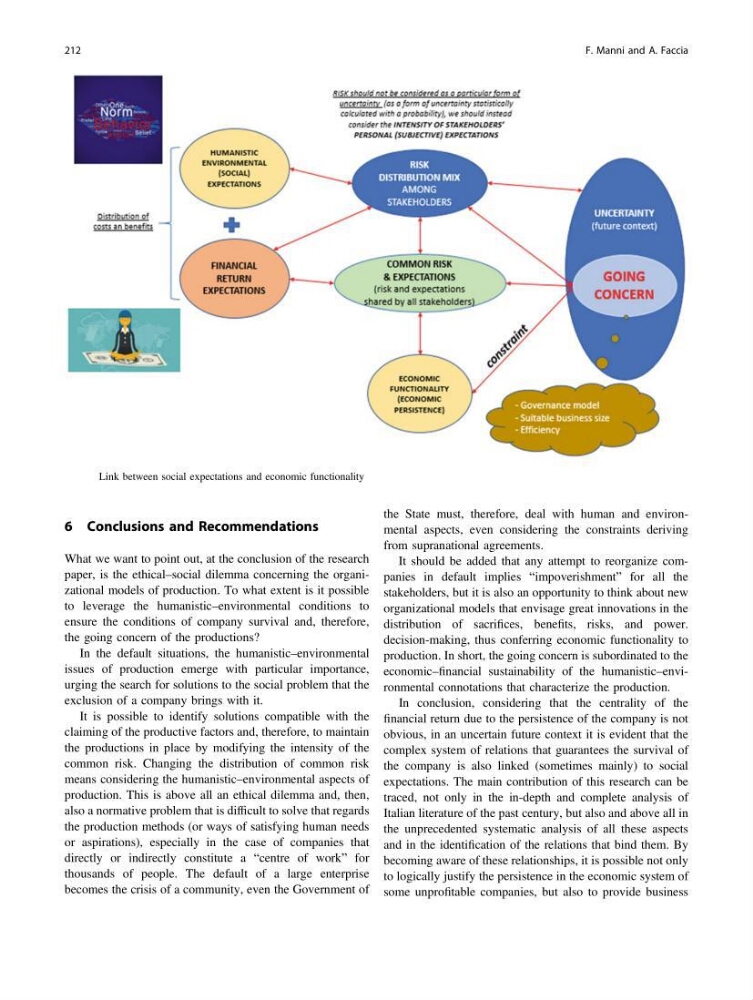
Fig. 1 Link between social expectations and economic functionality
212
F. Manni and A. Faccia
What we want to point out, at the conclusion of the research
paper, is the ethical–social dilemma concerning the organizational models of production. To what extent is it possible
to leverage the humanistic–environmental conditions to
ensure the conditions of company survival and, therefore,
the going concern of the productions?
In the default situations, the humanistic–environmental
issues of production emerge with particular importance,
urging the search for solutions to the social problem that the
exclusion of a company brings with it.
It is possible to identify solutions compatible with the
claiming of the productive factors and, therefore, to maintain
the productions in place by modifying the intensity of the
common risk. Changing the distribution of common risk
means considering the humanistic–environmental aspects of
production. This is above all an ethical dilemma and, then,
also a normative problem that is difficult to solve that regards
the production methods (or ways of satisfying human needs
or aspirations), especially in the case of companies that
directly or indirectly constitute a “centre of work” for
thousands of people. The default of a large enterprise
becomes the crisis of a community, even the Government of
the State must, therefore, deal with human and environmental aspects, even considering the constraints deriving
from supranational agreements.
It should be added that any attempt to reorganize companies in default implies “impoverishment” for all the
stakeholders, but it is also an opportunity to think about new
organizational models that envisage great innovations in the
distribution of sacrifices, benefits, risks, and power.
decision-making, thus conferring economic functionality to
production. In short, the going concern is subordinated to the
economic–financial sustainability of the humanistic–environmental connotations that characterize the production.
In conclusion, considering that the centrality of the
financial return due to the persistence of the company is not
obvious, in an uncertain future context it is evident that the
complex system of relations that guarantees the survival of
the company is also linked (sometimes mainly) to social
expectations. The main contribution of this research can be
traced, not only in the in-depth and complete analysis of
Italian literature of the past century, but also and above all in
the unprecedented systematic analysis of all these aspects
and in the identification of the relations that bind them. By
becoming aware of these relationships, it is possible not only
to logically justify the persistence in the economic system of
some unprofitable companies, but also to provide business
Fig. 1 Link between social expectations and economic functionality
212
F. Manni and A. Faccia