

called CLUSTER. Their approach of transforming the street
emphasized a more welcoming, diverse and sustainable
experience that included shops, cafes and galleries. A method
that would bring in new types of users and would promote a
more engaged interaction with the residents of the area.
The other project is called Al-Alfi Street, a project
directed by the governorate in coordination with ‘Al-Alfi
Street Tenants Association’. In the 1920s, the street served
as an old hub for nightlife, frequented by European visitors
and expatriates seeking entertainment. With the turn into the
1930s, commercial activities were introduced to the wide
street among others which helped in transforming Downtown into a mixed-use district. As a potential for a
homogenous public use, this street went through many
top-down strategical planning sessions over the years since
the 1990s, which mainly focused on refurbishing pavements,
face-lifting shop windows and cafes, controlling vendors’
trespassing and most of all, turning it into a pedestrian zone.
This paper will discuss the successes/failures of the collaboration between urban planners, state intervention and
input of users in downtown streets through exploring both
strategies, the bottom-up intervention of Kodak passage and
the top-down planning of Al-Alfi Street. Two different
strategies of two different projects that are still under
evaluation.
The main question focuses on how we can ‘as planners
and entrepreneurs’ make sure that such transformations
would not gentrify the streets as how we know them, rather
create a sustainable redefinition of existing public spaces that
are accessible for all. What sort of policies would ensure our
social responsibilities towards our societies, and how can we
best manifest all efforts into sustaining a healthy interaction
between different classes within one space?
2 Literature, On Streets as Public Spaces
Many researchers and urban planners stressed the definition
of a sustainable public space as a space that would encourage people to safely spend more time interacting within the
society with no segregations between lower and higher
incomes among their communities.
In 1957, Tönnies talked about the non-negotiable physical
spaces in the past, where the individual was part of the group
sharing the same public space and activities whether it was a
square or a street. Reality, however, shows that the term
community is now manifested in these small informal clusters
of spaces emerging whenever it is possible within the street’s
domain (Tönnies 1957). Lefebvre also confirms that every
society produces its own space; this production of the urban
space with its settings and structure requires a background of
culture and identity to sustain its existence. In other words, it
reflects the effect of physical boundaries, the external limitation of expansion, areas and volumes, the internal activities
versus the external and the performed functions (Hemeid and
Kamel 2013; in Lefebvre and Nicholson-Smith 2009)
Some public spaces can also be forgotten pockets, spaces
that Trancik refers to as ‘lost spaces’; he argued in his writings
that several fundamental principles of the structure of traditional
urban space have been lost or ignored in most modern cities,
resulting in what he identified as ‘anti-space’. He suggested
accordingly ways for the designers to restore traditional values
and reclaim meaning to the urban open space (Trancik 1986).
Going along with this line of thought, Jan Gehl has been
always interested in the way people move between buildings
and how they communicate with the form between those
buildings. In his writings, he calls for an understanding of
the subtle, almost indefinable qualities, which have always
related to the interaction of people in public spaces. Gehl
states that in recent years, residents of many cities have
become very active in crying out for people-oriented city
planning (Gehl 2010).
In 2012, a collaborative report produced by Project for
Public Spaces—under the auspices of the UN-HABITAT—
worked on the importance of redefining existing public
spaces and how to efficiently transform them into healthy
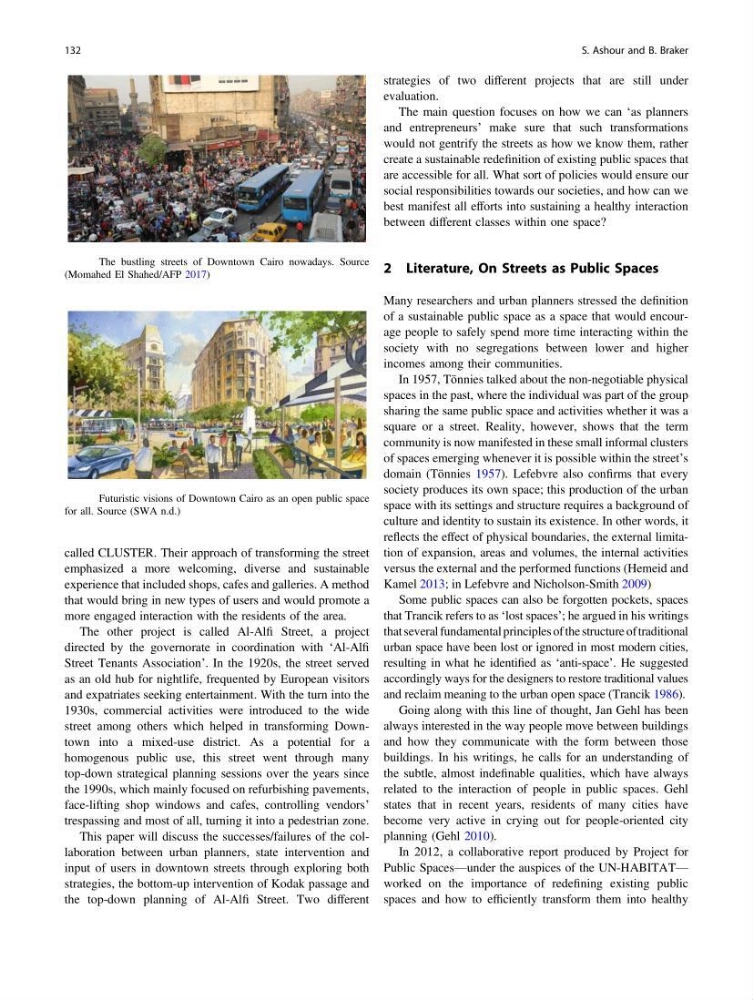
Fig. 1 The bustling streets of Downtown Cairo nowadays. Source
(Momahed El Shahed/AFP 2017)
Fig. 2 Futuristic visions of Downtown Cairo as an open public space
for all. Source (SWA n.d.)
132
S. Ashour and B. Braker
emphasized a more welcoming, diverse and sustainable
experience that included shops, cafes and galleries. A method
that would bring in new types of users and would promote a
more engaged interaction with the residents of the area.
The other project is called Al-Alfi Street, a project
directed by the governorate in coordination with ‘Al-Alfi
Street Tenants Association’. In the 1920s, the street served
as an old hub for nightlife, frequented by European visitors
and expatriates seeking entertainment. With the turn into the
1930s, commercial activities were introduced to the wide
street among others which helped in transforming Downtown into a mixed-use district. As a potential for a
homogenous public use, this street went through many
top-down strategical planning sessions over the years since
the 1990s, which mainly focused on refurbishing pavements,
face-lifting shop windows and cafes, controlling vendors’
trespassing and most of all, turning it into a pedestrian zone.
This paper will discuss the successes/failures of the collaboration between urban planners, state intervention and
input of users in downtown streets through exploring both
strategies, the bottom-up intervention of Kodak passage and
the top-down planning of Al-Alfi Street. Two different
strategies of two different projects that are still under
evaluation.
The main question focuses on how we can ‘as planners
and entrepreneurs’ make sure that such transformations
would not gentrify the streets as how we know them, rather
create a sustainable redefinition of existing public spaces that
are accessible for all. What sort of policies would ensure our
social responsibilities towards our societies, and how can we
best manifest all efforts into sustaining a healthy interaction
between different classes within one space?
2 Literature, On Streets as Public Spaces
Many researchers and urban planners stressed the definition
of a sustainable public space as a space that would encourage people to safely spend more time interacting within the
society with no segregations between lower and higher
incomes among their communities.
In 1957, Tönnies talked about the non-negotiable physical
spaces in the past, where the individual was part of the group
sharing the same public space and activities whether it was a
square or a street. Reality, however, shows that the term
community is now manifested in these small informal clusters
of spaces emerging whenever it is possible within the street’s
domain (Tönnies 1957). Lefebvre also confirms that every
society produces its own space; this production of the urban
space with its settings and structure requires a background of
culture and identity to sustain its existence. In other words, it
reflects the effect of physical boundaries, the external limitation of expansion, areas and volumes, the internal activities
versus the external and the performed functions (Hemeid and
Kamel 2013; in Lefebvre and Nicholson-Smith 2009)
Some public spaces can also be forgotten pockets, spaces
that Trancik refers to as ‘lost spaces’; he argued in his writings
that several fundamental principles of the structure of traditional
urban space have been lost or ignored in most modern cities,
resulting in what he identified as ‘anti-space’. He suggested
accordingly ways for the designers to restore traditional values
and reclaim meaning to the urban open space (Trancik 1986).
Going along with this line of thought, Jan Gehl has been
always interested in the way people move between buildings
and how they communicate with the form between those
buildings. In his writings, he calls for an understanding of
the subtle, almost indefinable qualities, which have always
related to the interaction of people in public spaces. Gehl
states that in recent years, residents of many cities have
become very active in crying out for people-oriented city
planning (Gehl 2010).
In 2012, a collaborative report produced by Project for
Public Spaces—under the auspices of the UN-HABITAT—
worked on the importance of redefining existing public
spaces and how to efficiently transform them into healthy
Fig. 1 The bustling streets of Downtown Cairo nowadays. Source
(Momahed El Shahed/AFP 2017)
Fig. 2 Futuristic visions of Downtown Cairo as an open public space
for all. Source (SWA n.d.)
132
S. Ashour and B. Braker