

38
3 A Conventional Experimental Technique …
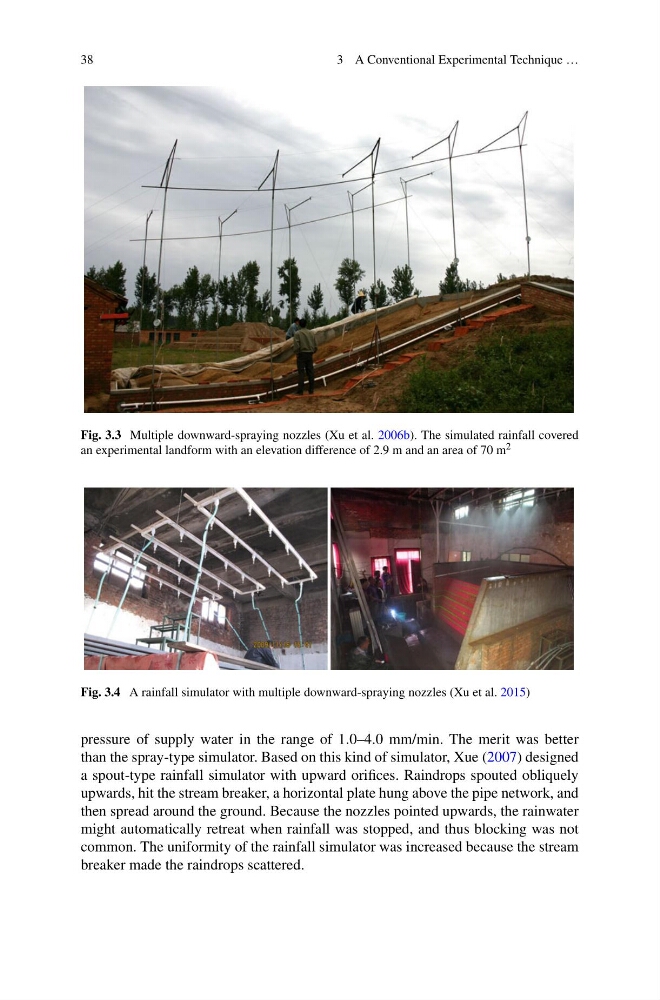
Fig. 3.3 Multiple downward-spraying nozzles (Xu et al. 2006b). The simulated rainfall covered
an experimental landform with an elevation difference of 2.9 m and an area of 70 m 2
Fig. 3.4 A rainfall simulator with multiple downward-spraying nozzles (Xu et al. 2015)
pressure of supply water in the range of 1.0–4.0 mm/min. The merit was better
than the spray-type simulator. Based on this kind of simulator, Xue (2007) designed
a spout-type rainfall simulator with upward orifices. Raindrops spouted obliquely
upwards, hit the stream breaker, a horizontal plate hung above the pipe network, and
then spread around the ground. Because the nozzles pointed upwards, the rainwater
might automatically retreat when rainfall was stopped, and thus blocking was not
common. The uniformity of the rainfall simulator was increased because the stream
breaker made the raindrops scattered.
3 A Conventional Experimental Technique …
Fig. 3.3 Multiple downward-spraying nozzles (Xu et al. 2006b). The simulated rainfall covered
an experimental landform with an elevation difference of 2.9 m and an area of 70 m 2
Fig. 3.4 A rainfall simulator with multiple downward-spraying nozzles (Xu et al. 2015)
pressure of supply water in the range of 1.0–4.0 mm/min. The merit was better
than the spray-type simulator. Based on this kind of simulator, Xue (2007) designed
a spout-type rainfall simulator with upward orifices. Raindrops spouted obliquely
upwards, hit the stream breaker, a horizontal plate hung above the pipe network, and
then spread around the ground. Because the nozzles pointed upwards, the rainwater
might automatically retreat when rainfall was stopped, and thus blocking was not
common. The uniformity of the rainfall simulator was increased because the stream
breaker made the raindrops scattered.