

2 Systematic Descriptions
61
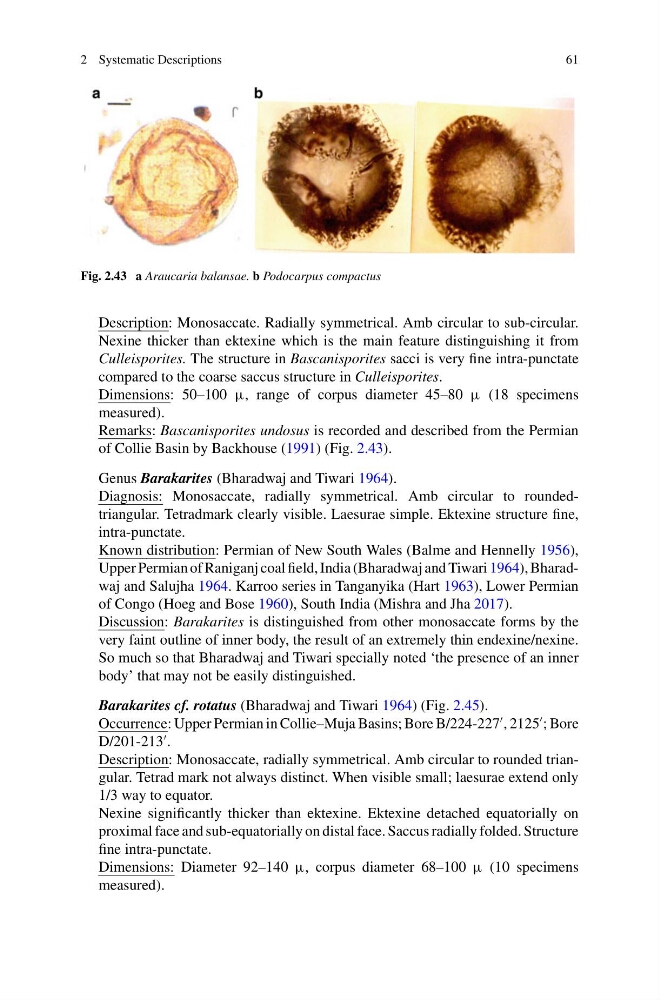
Fig. 2.43 a Araucaria balansae. b Podocarpus compactus
Description: Monosaccate. Radially symmetrical. Amb circular to sub-circular.
Nexine thicker than ektexine which is the main feature distinguishing it from
Culleisporites. The structure in Bascanisporites sacci is very fine intra-punctate
compared to the coarse saccus structure in Culleisporites.
Dimensions: 50–100 µ, range of corpus diameter 45–80 µ (18 specimens
measured).
Remarks: Bascanisporites undosus is recorded and described from the Permian
of Collie Basin by Backhouse (1991) (Fig. 2.43).
Genus Barakarites (Bharadwaj and Tiwari 1964).
Diagnosis: Monosaccate, radially symmetrical. Amb circular to roundedtriangular. Tetradmark clearly visible. Laesurae simple. Ektexine structure fine,
intra-punctate.
Known distribution: Permian of New South Wales (Balme and Hennelly 1956),
Upper Permian of Raniganj coal field, India (Bharadwaj and Tiwari 1964), Bharadwaj and Salujha 1964. Karroo series in Tanganyika (Hart 1963), Lower Permian
of Congo (Hoeg and Bose 1960), South India (Mishra and Jha 2017).
Discussion: Barakarites is distinguished from other monosaccate forms by the
very faint outline of inner body, the result of an extremely thin endexine/nexine.
So much so that Bharadwaj and Tiwari specially noted ‘the presence of an inner
body’ that may not be easily distinguished.
Barakarites cf. rotatus (Bharadwaj and Tiwari 1964) (Fig. 2.45).
Occurrence: Upper Permian in Collie–Muja Basins; Bore B/224-227
, 2125
; Bore
D/201-213
.
Description: Monosaccate, radially symmetrical. Amb circular to rounded triangular. Tetrad mark not always distinct. When visible small; laesurae extend only
1/3 way to equator.
Nexine significantly thicker than ektexine. Ektexine detached equatorially on
proximal face and sub-equatorially on distal face. Saccus radially folded. Structure
fine intra-punctate.
Dimensions: Diameter 92–140 µ, corpus diameter 68–100 µ (10 specimens
measured).
61
Fig. 2.43 a Araucaria balansae. b Podocarpus compactus
Description: Monosaccate. Radially symmetrical. Amb circular to sub-circular.
Nexine thicker than ektexine which is the main feature distinguishing it from
Culleisporites. The structure in Bascanisporites sacci is very fine intra-punctate
compared to the coarse saccus structure in Culleisporites.
Dimensions: 50–100 µ, range of corpus diameter 45–80 µ (18 specimens
measured).
Remarks: Bascanisporites undosus is recorded and described from the Permian
of Collie Basin by Backhouse (1991) (Fig. 2.43).
Genus Barakarites (Bharadwaj and Tiwari 1964).
Diagnosis: Monosaccate, radially symmetrical. Amb circular to roundedtriangular. Tetradmark clearly visible. Laesurae simple. Ektexine structure fine,
intra-punctate.
Known distribution: Permian of New South Wales (Balme and Hennelly 1956),
Upper Permian of Raniganj coal field, India (Bharadwaj and Tiwari 1964), Bharadwaj and Salujha 1964. Karroo series in Tanganyika (Hart 1963), Lower Permian
of Congo (Hoeg and Bose 1960), South India (Mishra and Jha 2017).
Discussion: Barakarites is distinguished from other monosaccate forms by the
very faint outline of inner body, the result of an extremely thin endexine/nexine.
So much so that Bharadwaj and Tiwari specially noted ‘the presence of an inner
body’ that may not be easily distinguished.
Barakarites cf. rotatus (Bharadwaj and Tiwari 1964) (Fig. 2.45).
Occurrence: Upper Permian in Collie–Muja Basins; Bore B/224-227
, 2125
; Bore
D/201-213
.
Description: Monosaccate, radially symmetrical. Amb circular to rounded triangular. Tetrad mark not always distinct. When visible small; laesurae extend only
1/3 way to equator.
Nexine significantly thicker than ektexine. Ektexine detached equatorially on
proximal face and sub-equatorially on distal face. Saccus radially folded. Structure
fine intra-punctate.
Dimensions: Diameter 92–140 µ, corpus diameter 68–100 µ (10 specimens
measured).