

118
4 Spontaneous Combustion of Coal
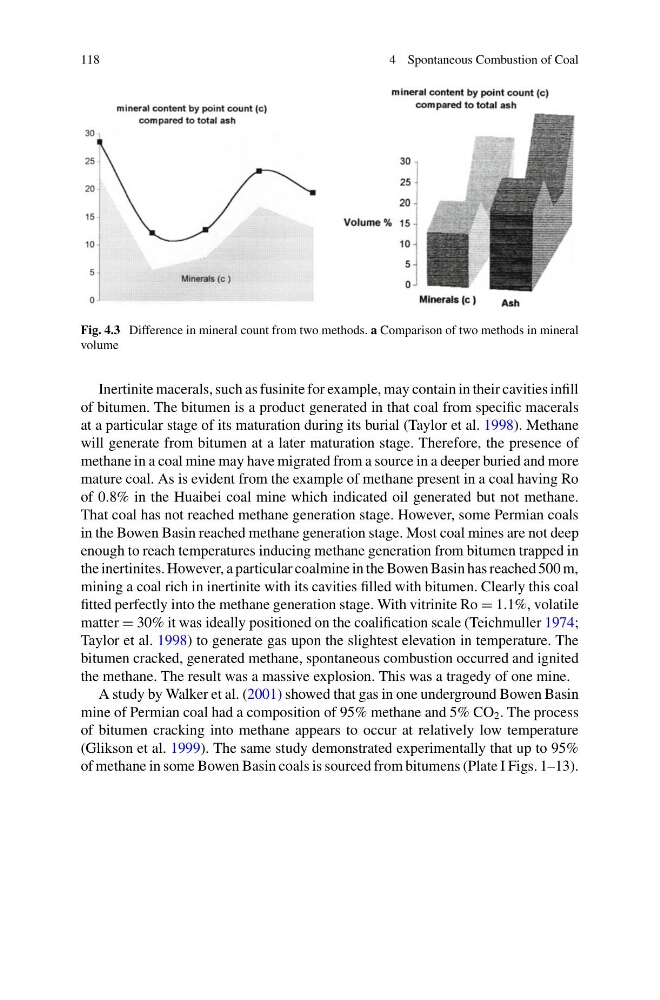
Fig. 4.3 Difference in mineral count from two methods. a Comparison of two methods in mineral
volume
Inertinite macerals, such as fusinite for example, may contain in their cavities infill
of bitumen. The bitumen is a product generated in that coal from specific macerals
at a particular stage of its maturation during its burial (Taylor et al. 1998). Methane
will generate from bitumen at a later maturation stage. Therefore, the presence of
methane in a coal mine may have migrated from a source in a deeper buried and more
mature coal. As is evident from the example of methane present in a coal having Ro
of 0.8% in the Huaibei coal mine which indicated oil generated but not methane.
That coal has not reached methane generation stage. However, some Permian coals
in the Bowen Basin reached methane generation stage. Most coal mines are not deep
enough to reach temperatures inducing methane generation from bitumen trapped in
the inertinites. However, a particular coalmine in the Bowen Basin has reached 500 m,
mining a coal rich in inertinite with its cavities filled with bitumen. Clearly this coal
fitted perfectly into the methane generation stage. With vitrinite Ro = 1.1%, volatile
matter = 30% it was ideally positioned on the coalification scale (Teichmuller 1974;
Taylor et al. 1998) to generate gas upon the slightest elevation in temperature. The
bitumen cracked, generated methane, spontaneous combustion occurred and ignited
the methane. The result was a massive explosion. This was a tragedy of one mine.
A study by Walker et al. (2001) showed that gas in one underground Bowen Basin
mine of Permian coal had a composition of 95% methane and 5% CO 2 . The process
of bitumen cracking into methane appears to occur at relatively low temperature
(Glikson et al. 1999). The same study demonstrated experimentally that up to 95%
of methane in some Bowen Basin coals is sourced from bitumens (Plate I Figs. 1–13).
4 Spontaneous Combustion of Coal
Fig. 4.3 Difference in mineral count from two methods. a Comparison of two methods in mineral
volume
Inertinite macerals, such as fusinite for example, may contain in their cavities infill
of bitumen. The bitumen is a product generated in that coal from specific macerals
at a particular stage of its maturation during its burial (Taylor et al. 1998). Methane
will generate from bitumen at a later maturation stage. Therefore, the presence of
methane in a coal mine may have migrated from a source in a deeper buried and more
mature coal. As is evident from the example of methane present in a coal having Ro
of 0.8% in the Huaibei coal mine which indicated oil generated but not methane.
That coal has not reached methane generation stage. However, some Permian coals
in the Bowen Basin reached methane generation stage. Most coal mines are not deep
enough to reach temperatures inducing methane generation from bitumen trapped in
the inertinites. However, a particular coalmine in the Bowen Basin has reached 500 m,
mining a coal rich in inertinite with its cavities filled with bitumen. Clearly this coal
fitted perfectly into the methane generation stage. With vitrinite Ro = 1.1%, volatile
matter = 30% it was ideally positioned on the coalification scale (Teichmuller 1974;
Taylor et al. 1998) to generate gas upon the slightest elevation in temperature. The
bitumen cracked, generated methane, spontaneous combustion occurred and ignited
the methane. The result was a massive explosion. This was a tragedy of one mine.
A study by Walker et al. (2001) showed that gas in one underground Bowen Basin
mine of Permian coal had a composition of 95% methane and 5% CO 2 . The process
of bitumen cracking into methane appears to occur at relatively low temperature
(Glikson et al. 1999). The same study demonstrated experimentally that up to 95%
of methane in some Bowen Basin coals is sourced from bitumens (Plate I Figs. 1–13).