

2.5 Future Trends
47
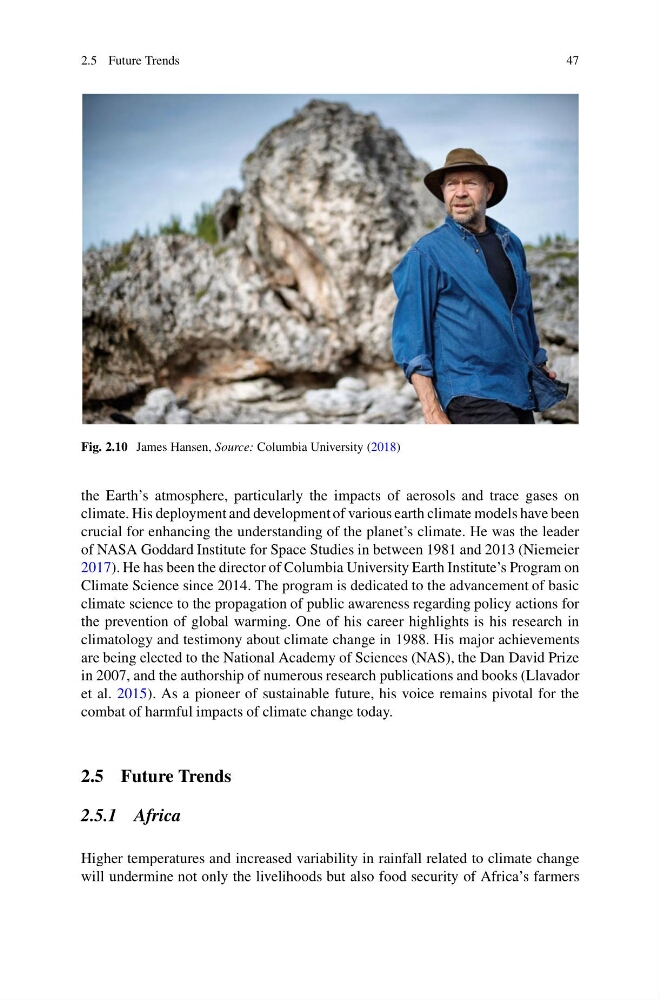
Fig. 2.10 James Hansen, Source: Columbia University (2018)
the Earth’s atmosphere, particularly the impacts of aerosols and trace gases on
climate. His deployment and development of various earth climate models have been
crucial for enhancing the understanding of the planet’s climate. He was the leader
of NASA Goddard Institute for Space Studies in between 1981 and 2013 (Niemeier
2017). He has been the director of Columbia University Earth Institute’s Program on
Climate Science since 2014. The program is dedicated to the advancement of basic
climate science to the propagation of public awareness regarding policy actions for
the prevention of global warming. One of his career highlights is his research in
climatology and testimony about climate change in 1988. His major achievements
are being elected to the National Academy of Sciences (NAS), the Dan David Prize
in 2007, and the authorship of numerous research publications and books (Llavador
et al. 2015). As a pioneer of sustainable future, his voice remains pivotal for the
combat of harmful impacts of climate change today.
2.5 Future Trends
2.5.1 Africa
Higher temperatures and increased variability in rainfall related to climate change
will undermine not only the livelihoods but also food security of Africa’s farmers
47
Fig. 2.10 James Hansen, Source: Columbia University (2018)
the Earth’s atmosphere, particularly the impacts of aerosols and trace gases on
climate. His deployment and development of various earth climate models have been
crucial for enhancing the understanding of the planet’s climate. He was the leader
of NASA Goddard Institute for Space Studies in between 1981 and 2013 (Niemeier
2017). He has been the director of Columbia University Earth Institute’s Program on
Climate Science since 2014. The program is dedicated to the advancement of basic
climate science to the propagation of public awareness regarding policy actions for
the prevention of global warming. One of his career highlights is his research in
climatology and testimony about climate change in 1988. His major achievements
are being elected to the National Academy of Sciences (NAS), the Dan David Prize
in 2007, and the authorship of numerous research publications and books (Llavador
et al. 2015). As a pioneer of sustainable future, his voice remains pivotal for the
combat of harmful impacts of climate change today.
2.5 Future Trends
2.5.1 Africa
Higher temperatures and increased variability in rainfall related to climate change
will undermine not only the livelihoods but also food security of Africa’s farmers