

162
7 Water and Wastewater Treatment
Sludge in digestion tanks is heated and combined after being pumped out of
settling tanks. Biogas is generated during this process, which can be reused by
wastewater treatment plants. When the digestion of sludge reaches the maximum
level, the second process of digestion occurs within the storage tanks. Separation
of water from the semi-solid sludge takes place before being transported for more
treatment, while the residual semi-solid goes through mechanical dewatering (Jelic
et al. 2011). After about 4 weeks, it is sufficiently dried out to ripen. As long as
it complies with agricultural standards, it may be utilized for fertilizing industrial
crops. The final wastewater treatment step entails service water inspection. The
objective is to conduct an analysis of the contamination level and ensure that treated
water conforms to the best standards.
(continued)
Case Study 7.1: The curse of oil in Nigeria
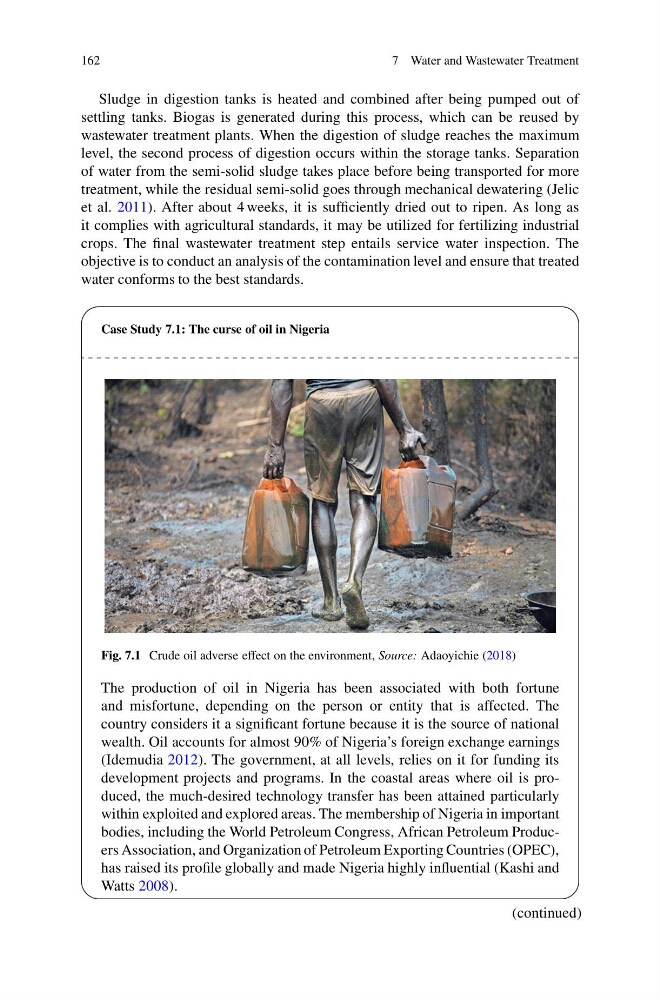
Fig. 7.1 Crude oil adverse effect on the environment, Source: Adaoyichie (2018)
The production of oil in Nigeria has been associated with both fortune
and misfortune, depending on the person or entity that is affected. The
country considers it a significant fortune because it is the source of national
wealth. Oil accounts for almost 90% of Nigeria’s foreign exchange earnings
(Idemudia 2012). The government, at all levels, relies on it for funding its
development projects and programs. In the coastal areas where oil is produced, the much-desired technology transfer has been attained particularly
within exploited and explored areas. The membership of Nigeria in important
bodies, including the World Petroleum Congress, African Petroleum Producers Association, and Organization of Petroleum Exporting Countries (OPEC),
has raised its profile globally and made Nigeria highly influential (Kashi and
Watts 2008).
7 Water and Wastewater Treatment
Sludge in digestion tanks is heated and combined after being pumped out of
settling tanks. Biogas is generated during this process, which can be reused by
wastewater treatment plants. When the digestion of sludge reaches the maximum
level, the second process of digestion occurs within the storage tanks. Separation
of water from the semi-solid sludge takes place before being transported for more
treatment, while the residual semi-solid goes through mechanical dewatering (Jelic
et al. 2011). After about 4 weeks, it is sufficiently dried out to ripen. As long as
it complies with agricultural standards, it may be utilized for fertilizing industrial
crops. The final wastewater treatment step entails service water inspection. The
objective is to conduct an analysis of the contamination level and ensure that treated
water conforms to the best standards.
(continued)
Case Study 7.1: The curse of oil in Nigeria
Fig. 7.1 Crude oil adverse effect on the environment, Source: Adaoyichie (2018)
The production of oil in Nigeria has been associated with both fortune
and misfortune, depending on the person or entity that is affected. The
country considers it a significant fortune because it is the source of national
wealth. Oil accounts for almost 90% of Nigeria’s foreign exchange earnings
(Idemudia 2012). The government, at all levels, relies on it for funding its
development projects and programs. In the coastal areas where oil is produced, the much-desired technology transfer has been attained particularly
within exploited and explored areas. The membership of Nigeria in important
bodies, including the World Petroleum Congress, African Petroleum Producers Association, and Organization of Petroleum Exporting Countries (OPEC),
has raised its profile globally and made Nigeria highly influential (Kashi and
Watts 2008).