

5.1 Diseases
113
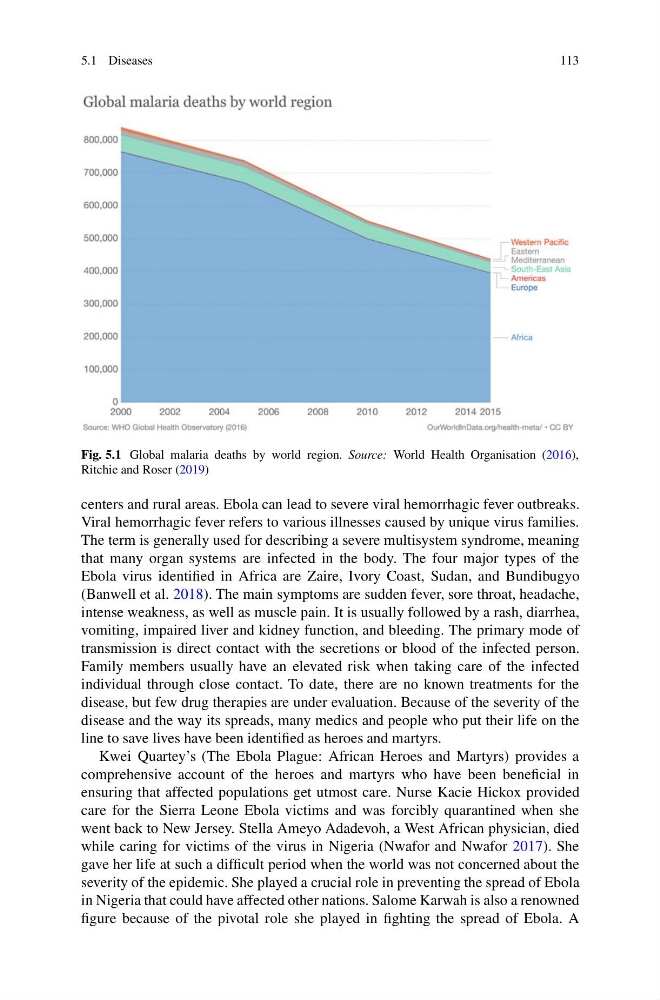
Fig. 5.1 Global malaria deaths by world region. Source: World Health Organisation (2016),
Ritchie and Roser (2019)
centers and rural areas. Ebola can lead to severe viral hemorrhagic fever outbreaks.
Viral hemorrhagic fever refers to various illnesses caused by unique virus families.
The term is generally used for describing a severe multisystem syndrome, meaning
that many organ systems are infected in the body. The four major types of the
Ebola virus identified in Africa are Zaire, Ivory Coast, Sudan, and Bundibugyo
(Banwell et al. 2018). The main symptoms are sudden fever, sore throat, headache,
intense weakness, as well as muscle pain. It is usually followed by a rash, diarrhea,
vomiting, impaired liver and kidney function, and bleeding. The primary mode of
transmission is direct contact with the secretions or blood of the infected person.
Family members usually have an elevated risk when taking care of the infected
individual through close contact. To date, there are no known treatments for the
disease, but few drug therapies are under evaluation. Because of the severity of the
disease and the way its spreads, many medics and people who put their life on the
line to save lives have been identified as heroes and martyrs.
Kwei Quartey’s (The Ebola Plague: African Heroes and Martyrs) provides a
comprehensive account of the heroes and martyrs who have been beneficial in
ensuring that affected populations get utmost care. Nurse Kacie Hickox provided
care for the Sierra Leone Ebola victims and was forcibly quarantined when she
went back to New Jersey. Stella Ameyo Adadevoh, a West African physician, died
while caring for victims of the virus in Nigeria (Nwafor and Nwafor 2017). She
gave her life at such a difficult period when the world was not concerned about the
severity of the epidemic. She played a crucial role in preventing the spread of Ebola
in Nigeria that could have affected other nations. Salome Karwah is also a renowned
figure because of the pivotal role she played in fighting the spread of Ebola. A
113
Fig. 5.1 Global malaria deaths by world region. Source: World Health Organisation (2016),
Ritchie and Roser (2019)
centers and rural areas. Ebola can lead to severe viral hemorrhagic fever outbreaks.
Viral hemorrhagic fever refers to various illnesses caused by unique virus families.
The term is generally used for describing a severe multisystem syndrome, meaning
that many organ systems are infected in the body. The four major types of the
Ebola virus identified in Africa are Zaire, Ivory Coast, Sudan, and Bundibugyo
(Banwell et al. 2018). The main symptoms are sudden fever, sore throat, headache,
intense weakness, as well as muscle pain. It is usually followed by a rash, diarrhea,
vomiting, impaired liver and kidney function, and bleeding. The primary mode of
transmission is direct contact with the secretions or blood of the infected person.
Family members usually have an elevated risk when taking care of the infected
individual through close contact. To date, there are no known treatments for the
disease, but few drug therapies are under evaluation. Because of the severity of the
disease and the way its spreads, many medics and people who put their life on the
line to save lives have been identified as heroes and martyrs.
Kwei Quartey’s (The Ebola Plague: African Heroes and Martyrs) provides a
comprehensive account of the heroes and martyrs who have been beneficial in
ensuring that affected populations get utmost care. Nurse Kacie Hickox provided
care for the Sierra Leone Ebola victims and was forcibly quarantined when she
went back to New Jersey. Stella Ameyo Adadevoh, a West African physician, died
while caring for victims of the virus in Nigeria (Nwafor and Nwafor 2017). She
gave her life at such a difficult period when the world was not concerned about the
severity of the epidemic. She played a crucial role in preventing the spread of Ebola
in Nigeria that could have affected other nations. Salome Karwah is also a renowned
figure because of the pivotal role she played in fighting the spread of Ebola. A