

92
4 Effects of Everyday Activities on the Ecosystem
Genetic modification allows the introduction of new traits that would not naturally
happen or the removal of undesirable traits. These changes can be done by silencing
or inserting a gene into an organism’s genome, which enables humans to ascertain
the genetic constitution of living creatures.
Paul Berg is one of the major contributors to genetic modification. He successfully carried out genetic modification through advancements in biochemistry
through the discovery of new enzymes. Through the creation of hybrid DNA
molecules, he used the intensively researched SV40 monkey virus and the lambda
bacteriophage to create the recombinant deoxyribose nucleic acid . In other words,
Berg assembled the first DNA molecules by combining genes from various organisms. The original concept he had was to pen and splice the SV40 DNA into genes.
The contribution of Paul Berg to genetic modification can further be found at the
end of the chapter under Individual Matter.
Regarding the ecosystem, genetic modification arises from increased deployment
of herbicides as well as the contamination of aquatic ecosystems. Transgenic crops
could have indirect environmental impacts because of the changing environmental
practices related to new varieties. Such indirect impacts could be harmful or
beneficial based on the involved changes. Toxicity is a significant issue that
surrounds chemical herbicides and pesticides (Taleb et al. 2014). Toxicity negatively
affects ecosystems and animals such as bees and monarch butterflies are at risk
of this effect. According to scientists, the utilization of agricultural herbicides and
pesticides has led to the destruction of farmland birds, insects as well as wild plants.
Ecosystem changes are the significant effects of genetic modification, but it also has
minimal impact on the water cycle, weather, and climate.
(continued)
Case Study 4.2: Monarch butterflies
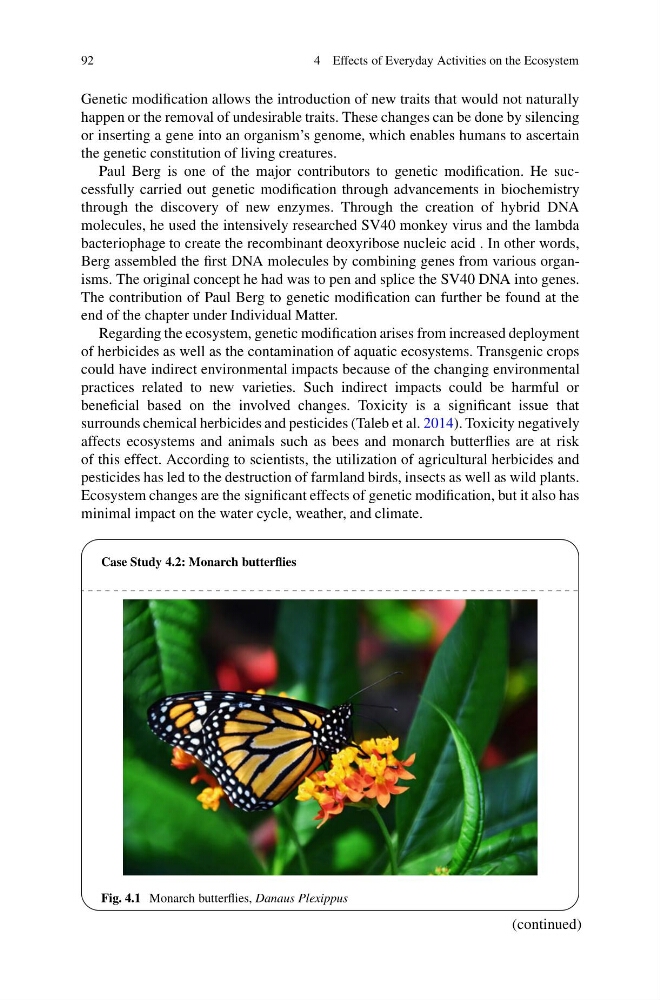
Fig. 4.1 Monarch butterflies, Danaus Plexippus
4 Effects of Everyday Activities on the Ecosystem
Genetic modification allows the introduction of new traits that would not naturally
happen or the removal of undesirable traits. These changes can be done by silencing
or inserting a gene into an organism’s genome, which enables humans to ascertain
the genetic constitution of living creatures.
Paul Berg is one of the major contributors to genetic modification. He successfully carried out genetic modification through advancements in biochemistry
through the discovery of new enzymes. Through the creation of hybrid DNA
molecules, he used the intensively researched SV40 monkey virus and the lambda
bacteriophage to create the recombinant deoxyribose nucleic acid . In other words,
Berg assembled the first DNA molecules by combining genes from various organisms. The original concept he had was to pen and splice the SV40 DNA into genes.
The contribution of Paul Berg to genetic modification can further be found at the
end of the chapter under Individual Matter.
Regarding the ecosystem, genetic modification arises from increased deployment
of herbicides as well as the contamination of aquatic ecosystems. Transgenic crops
could have indirect environmental impacts because of the changing environmental
practices related to new varieties. Such indirect impacts could be harmful or
beneficial based on the involved changes. Toxicity is a significant issue that
surrounds chemical herbicides and pesticides (Taleb et al. 2014). Toxicity negatively
affects ecosystems and animals such as bees and monarch butterflies are at risk
of this effect. According to scientists, the utilization of agricultural herbicides and
pesticides has led to the destruction of farmland birds, insects as well as wild plants.
Ecosystem changes are the significant effects of genetic modification, but it also has
minimal impact on the water cycle, weather, and climate.
(continued)
Case Study 4.2: Monarch butterflies
Fig. 4.1 Monarch butterflies, Danaus Plexippus