

49
According to Dr. Sinha, Sundarban is a cyclone prone zone associated with
disaster due to wave actions and tidal surges. In this context the output of the present
exercise can present the efficacy of mangroves as bio-shields against the massive
wave actions which otherwise may destroy the island villages and damage lives and
properties. She also concluded that there is no species-wise variation in attenuating
waves in both the estuaries, or in other words all the four mangrove species
(Sonneratia apetala, Avicennia marina, Avicennia officinalis and Avicennia alba)
have uniform regulatory impact in the domain of wave attenuation. The reduction of
wave height in the Hooghly estuary points towards the role of stilt roots, pneumatophores and height/biomass of the mangrove species in attenuating waves. The biomass of mangrove vegetation along the Matla estuary is comparatively low (an
effect of high salinity) due to which the wave attenuation potential has been retarded.
The wave attenuation potential of mangrove species is thus directly proportional to
the biomass of the species.
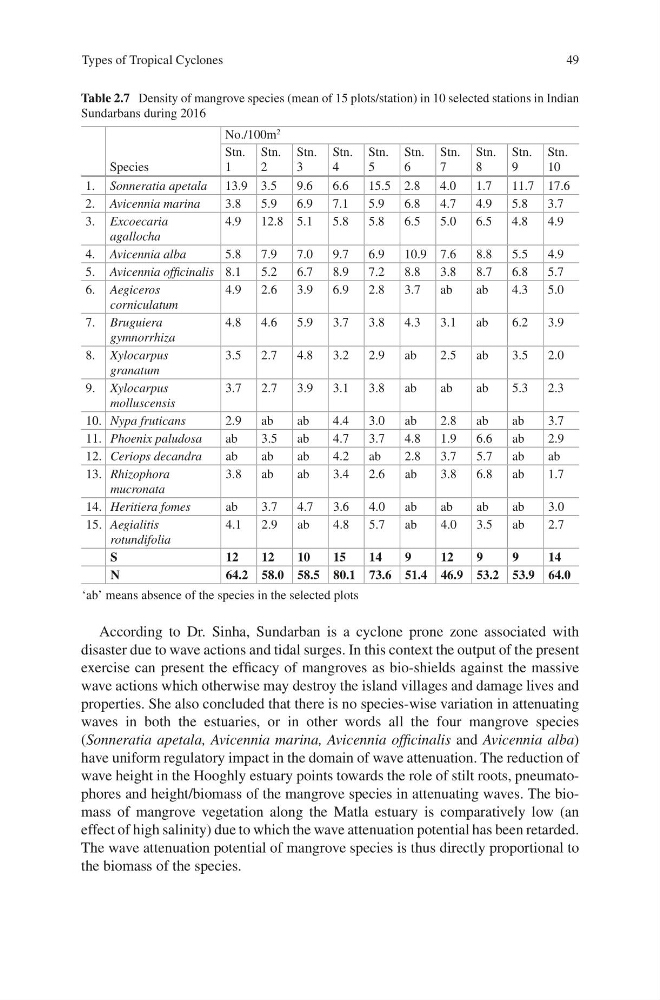
Table 2.7 Density of mangrove species (mean of 15 plots/station) in 10 selected stations in Indian
Sundarbans during 2016
Species
No./100m
2
Stn.
1
Stn.
2
Stn.
3
Stn.
4
Stn.
5
Stn.
6
Stn.
7
Stn.
8
Stn.
9
Stn.
10
1. Sonneratia apetala 13.9 3.5
9.6
6.6
15.5 2.8
4.0
1.7
11.7 17.6
2. Avicennia marina
3.8
5.9
6.9
7.1
5.9
6.8
4.7
4.9
5.8
3.7
3. Excoecaria
agallocha
4.9
12.8 5.1
5.8
5.8
6.5
5.0
6.5
4.8
4.9
4. Avicennia alba
5.8
7.9
7.0
9.7
6.9
10.9 7.6
8.8
5.5
4.9
5. Avicennia officinalis 8.1
5.2
6.7
8.9
7.2
8.8
3.8
8.7
6.8
5.7
6. Aegiceros
corniculatum
4.9
2.6
3.9
6.9
2.8
3.7
ab
ab
4.3
5.0
7. Bruguiera
gymnorrhiza
4.8
4.6
5.9
3.7
3.8
4.3
3.1
ab
6.2
3.9
8. Xylocarpus
granatum
3.5
2.7
4.8
3.2
2.9
ab
2.5
ab
3.5
2.0
9. Xylocarpus
molluscensis
3.7
2.7
3.9
3.1
3.8
ab
ab
ab
5.3
2.3
10. Nypa fruticans
2.9
ab
ab
4.4
3.0
ab
2.8
ab
ab
3.7
11. Phoenix paludosa
ab
3.5
ab
4.7
3.7
4.8
1.9
6.6
ab
2.9
12. Ceriops decandra
ab
ab
ab
4.2
ab
2.8
3.7
5.7
ab
ab
13. Rhizophora
mucronata
3.8
ab
ab
3.4
2.6
ab
3.8
6.8
ab
1.7
14. Heritiera fomes
ab
3.7
4.7
3.6
4.0
ab
ab
ab
ab
3.0
15. Aegialitis
rotundifolia
4.1
2.9
ab
4.8
5.7
ab
4.0
3.5
ab
2.7
S
12
12
10
15
14
9
12
9
9
14
N
64.2 58.0 58.5 80.1 73.6 51.4 46.9 53.2 53.9 64.0
‘ab’ means absence of the species in the selected plots
Types of Tropical Cyclones
According to Dr. Sinha, Sundarban is a cyclone prone zone associated with
disaster due to wave actions and tidal surges. In this context the output of the present
exercise can present the efficacy of mangroves as bio-shields against the massive
wave actions which otherwise may destroy the island villages and damage lives and
properties. She also concluded that there is no species-wise variation in attenuating
waves in both the estuaries, or in other words all the four mangrove species
(Sonneratia apetala, Avicennia marina, Avicennia officinalis and Avicennia alba)
have uniform regulatory impact in the domain of wave attenuation. The reduction of
wave height in the Hooghly estuary points towards the role of stilt roots, pneumatophores and height/biomass of the mangrove species in attenuating waves. The biomass of mangrove vegetation along the Matla estuary is comparatively low (an
effect of high salinity) due to which the wave attenuation potential has been retarded.
The wave attenuation potential of mangrove species is thus directly proportional to
the biomass of the species.
Table 2.7 Density of mangrove species (mean of 15 plots/station) in 10 selected stations in Indian
Sundarbans during 2016
Species
No./100m
2
Stn.
1
Stn.
2
Stn.
3
Stn.
4
Stn.
5
Stn.
6
Stn.
7
Stn.
8
Stn.
9
Stn.
10
1. Sonneratia apetala 13.9 3.5
9.6
6.6
15.5 2.8
4.0
1.7
11.7 17.6
2. Avicennia marina
3.8
5.9
6.9
7.1
5.9
6.8
4.7
4.9
5.8
3.7
3. Excoecaria
agallocha
4.9
12.8 5.1
5.8
5.8
6.5
5.0
6.5
4.8
4.9
4. Avicennia alba
5.8
7.9
7.0
9.7
6.9
10.9 7.6
8.8
5.5
4.9
5. Avicennia officinalis 8.1
5.2
6.7
8.9
7.2
8.8
3.8
8.7
6.8
5.7
6. Aegiceros
corniculatum
4.9
2.6
3.9
6.9
2.8
3.7
ab
ab
4.3
5.0
7. Bruguiera
gymnorrhiza
4.8
4.6
5.9
3.7
3.8
4.3
3.1
ab
6.2
3.9
8. Xylocarpus
granatum
3.5
2.7
4.8
3.2
2.9
ab
2.5
ab
3.5
2.0
9. Xylocarpus
molluscensis
3.7
2.7
3.9
3.1
3.8
ab
ab
ab
5.3
2.3
10. Nypa fruticans
2.9
ab
ab
4.4
3.0
ab
2.8
ab
ab
3.7
11. Phoenix paludosa
ab
3.5
ab
4.7
3.7
4.8
1.9
6.6
ab
2.9
12. Ceriops decandra
ab
ab
ab
4.2
ab
2.8
3.7
5.7
ab
ab
13. Rhizophora
mucronata
3.8
ab
ab
3.4
2.6
ab
3.8
6.8
ab
1.7
14. Heritiera fomes
ab
3.7
4.7
3.6
4.0
ab
ab
ab
ab
3.0
15. Aegialitis
rotundifolia
4.1
2.9
ab
4.8
5.7
ab
4.0
3.5
ab
2.7
S
12
12
10
15
14
9
12
9
9
14
N
64.2 58.0 58.5 80.1 73.6 51.4 46.9 53.2 53.9 64.0
‘ab’ means absence of the species in the selected plots
Types of Tropical Cyclones