

329
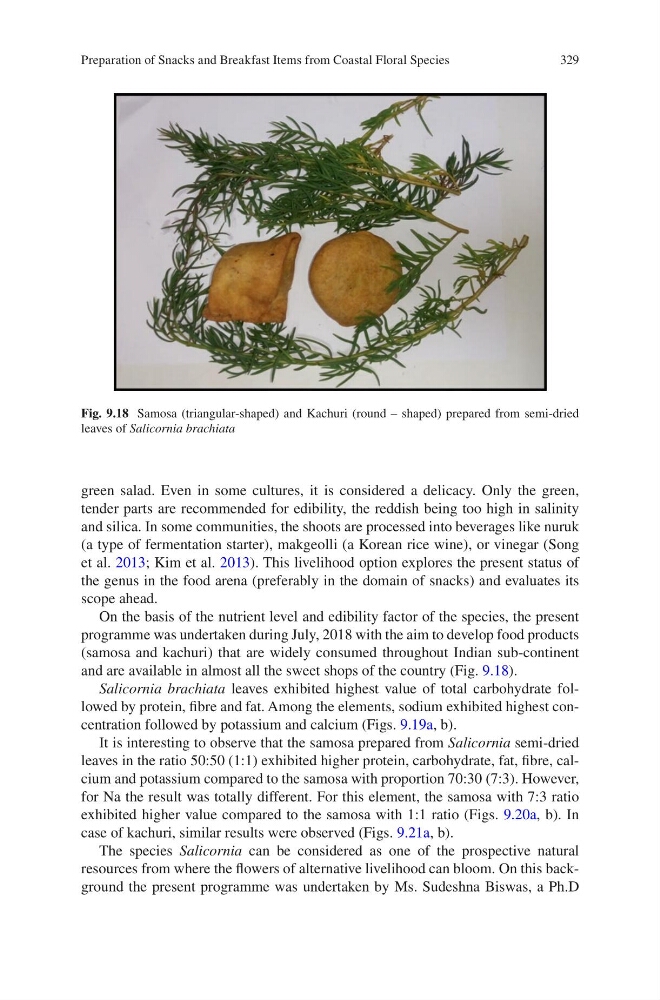
Fig. 9.18 Samosa (triangular-shaped) and Kachuri (round – shaped) prepared from semi-dried
leaves of Salicornia brachiata
green salad. Even in some cultures, it is considered a delicacy. Only the green,
tender parts are recommended for edibility, the reddish being too high in salinity
and silica. In some communities, the shoots are processed into beverages like nuruk
(a type of fermentation starter), makgeolli (a Korean rice wine), or vinegar (Song
et al. 2013; Kim et al. 2013). This livelihood option explores the present status of
the genus in the food arena (preferably in the domain of snacks) and evaluates its
scope ahead.
On the basis of the nutrient level and edibility factor of the species, the present
programme was undertaken during July, 2018 with the aim to develop food products
(samosa and kachuri) that are widely consumed throughout Indian sub-continent
and are available in almost all the sweet shops of the country (Fig. 9.18).
Salicornia brachiata leaves exhibited highest value of total carbohydrate followed by protein, fibre and fat. Among the elements, sodium exhibited highest concentration followed by potassium and calcium (Figs. 9.19a, b).
It is interesting to observe that the samosa prepared from Salicornia semi-dried
leaves in the ratio 50:50 (1:1) exhibited higher protein, carbohydrate, fat, fibre, calcium and potassium compared to the samosa with proportion 70:30 (7:3). However,
for Na the result was totally different. For this element, the samosa with 7:3 ratio
exhibited higher value compared to the samosa with 1:1 ratio (Figs. 9.20a, b). In
case of kachuri, similar results were observed (Figs. 9.21a, b).
The species Salicornia can be considered as one of the prospective natural
resources from where the flowers of alternative livelihood can bloom. On this background the present programme was undertaken by Ms. Sudeshna Biswas, a Ph.D
Preparation of Snacks and Breakfast Items from Coastal Floral Species
Fig. 9.18 Samosa (triangular-shaped) and Kachuri (round – shaped) prepared from semi-dried
leaves of Salicornia brachiata
green salad. Even in some cultures, it is considered a delicacy. Only the green,
tender parts are recommended for edibility, the reddish being too high in salinity
and silica. In some communities, the shoots are processed into beverages like nuruk
(a type of fermentation starter), makgeolli (a Korean rice wine), or vinegar (Song
et al. 2013; Kim et al. 2013). This livelihood option explores the present status of
the genus in the food arena (preferably in the domain of snacks) and evaluates its
scope ahead.
On the basis of the nutrient level and edibility factor of the species, the present
programme was undertaken during July, 2018 with the aim to develop food products
(samosa and kachuri) that are widely consumed throughout Indian sub-continent
and are available in almost all the sweet shops of the country (Fig. 9.18).
Salicornia brachiata leaves exhibited highest value of total carbohydrate followed by protein, fibre and fat. Among the elements, sodium exhibited highest concentration followed by potassium and calcium (Figs. 9.19a, b).
It is interesting to observe that the samosa prepared from Salicornia semi-dried
leaves in the ratio 50:50 (1:1) exhibited higher protein, carbohydrate, fat, fibre, calcium and potassium compared to the samosa with proportion 70:30 (7:3). However,
for Na the result was totally different. For this element, the samosa with 7:3 ratio
exhibited higher value compared to the samosa with 1:1 ratio (Figs. 9.20a, b). In
case of kachuri, similar results were observed (Figs. 9.21a, b).
The species Salicornia can be considered as one of the prospective natural
resources from where the flowers of alternative livelihood can bloom. On this background the present programme was undertaken by Ms. Sudeshna Biswas, a Ph.D
Preparation of Snacks and Breakfast Items from Coastal Floral Species