

261
of deltaic Sunderbans supports one species of sipunculus namely Phascolosoma
arcuatum (Gray), which is characterized by the presence of a spacious, unsegmented coelom, filled with fluid continuing free haemocytes.
The pelagic zone of the Bay of Bengal adjacent to Indian part of Sundarbans is
characterized by unique assemblage of planktons and nektons. During the long
course of planktonic survey in the offshore area, a total of 35 phytoplankton species
distributed over 18 genera have been documented so far (Mitra 2000). The list of
phytoplankton species has increased to 106 in recent times. The genus Chaetoceros
contributes for the largest number of diatom population during the peak phase of the
phytoplankton bloom. The genera like Coscinodiscus, Biddulphia and Pleurosigma
are commonly found in the system round the year.
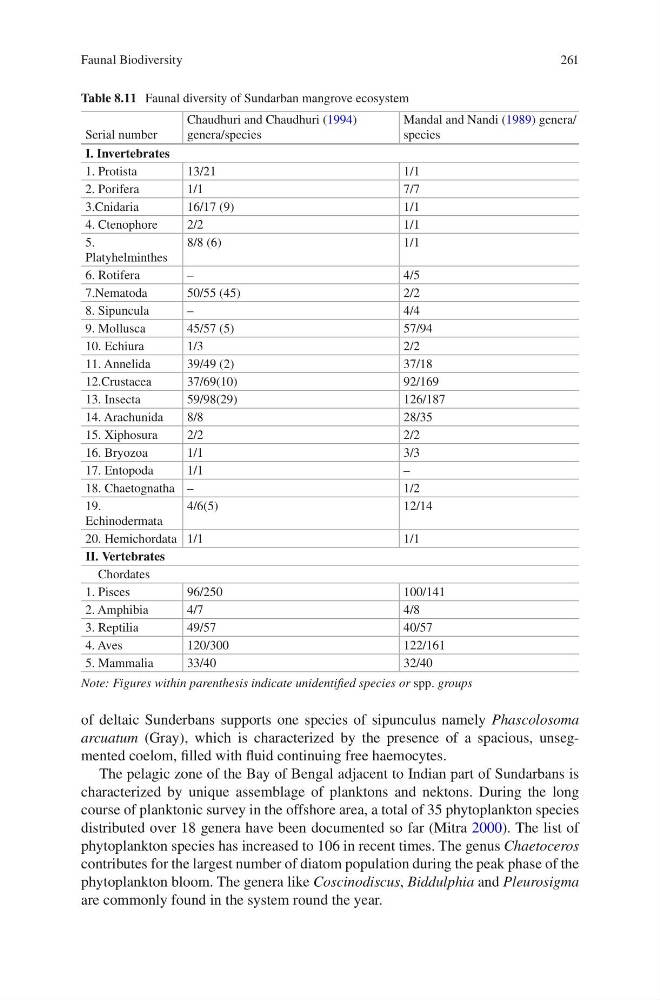
Table 8.11 Faunal diversity of Sundarban mangrove ecosystem
Serial number
Chaudhuri and Chaudhuri (1994)
genera/species
Mandal and Nandi (1989) genera/
species
I. Invertebrates
1. Protista
13/21
1/1
2. Porifera
1/1
7/7
3.Cnidaria
16/17 (9)
1/1
4. Ctenophore
2/2
1/1
5.
Platyhelminthes
8/8 (6)
1/1
6. Rotifera
–
4/5
7.Nematoda
50/55 (45)
2/2
8. Sipuncula
–
4/4
9. Mollusca
45/57 (5)
57/94
10. Echiura
1/3
2/2
11. Annelida
39/49 (2)
37/18
12.Crustacea
37/69(10)
92/169
13. Insecta
59/98(29)
126/187
14. Arachunida
8/8
28/35
15. Xiphosura
2/2
2/2
16. Bryozoa
1/1
3/3
17. Entopoda
1/1
–
18. Chaetognatha –
1/2
19.
Echinodermata
4/6(5)
12/14
20. Hemichordata 1/1
1/1
II. Vertebrates
Chordates
1. Pisces
96/250
100/141
2. Amphibia
4/7
4/8
3. Reptilia
49/57
40/57
4. Aves
120/300
122/161
5. Mammalia
33/40
32/40
Note: Figures within parenthesis indicate unidentified species or spp. groups
Faunal Biodiversity
of deltaic Sunderbans supports one species of sipunculus namely Phascolosoma
arcuatum (Gray), which is characterized by the presence of a spacious, unsegmented coelom, filled with fluid continuing free haemocytes.
The pelagic zone of the Bay of Bengal adjacent to Indian part of Sundarbans is
characterized by unique assemblage of planktons and nektons. During the long
course of planktonic survey in the offshore area, a total of 35 phytoplankton species
distributed over 18 genera have been documented so far (Mitra 2000). The list of
phytoplankton species has increased to 106 in recent times. The genus Chaetoceros
contributes for the largest number of diatom population during the peak phase of the
phytoplankton bloom. The genera like Coscinodiscus, Biddulphia and Pleurosigma
are commonly found in the system round the year.
Table 8.11 Faunal diversity of Sundarban mangrove ecosystem
Serial number
Chaudhuri and Chaudhuri (1994)
genera/species
Mandal and Nandi (1989) genera/
species
I. Invertebrates
1. Protista
13/21
1/1
2. Porifera
1/1
7/7
3.Cnidaria
16/17 (9)
1/1
4. Ctenophore
2/2
1/1
5.
Platyhelminthes
8/8 (6)
1/1
6. Rotifera
–
4/5
7.Nematoda
50/55 (45)
2/2
8. Sipuncula
–
4/4
9. Mollusca
45/57 (5)
57/94
10. Echiura
1/3
2/2
11. Annelida
39/49 (2)
37/18
12.Crustacea
37/69(10)
92/169
13. Insecta
59/98(29)
126/187
14. Arachunida
8/8
28/35
15. Xiphosura
2/2
2/2
16. Bryozoa
1/1
3/3
17. Entopoda
1/1
–
18. Chaetognatha –
1/2
19.
Echinodermata
4/6(5)
12/14
20. Hemichordata 1/1
1/1
II. Vertebrates
Chordates
1. Pisces
96/250
100/141
2. Amphibia
4/7
4/8
3. Reptilia
49/57
40/57
4. Aves
120/300
122/161
5. Mammalia
33/40
32/40
Note: Figures within parenthesis indicate unidentified species or spp. groups
Faunal Biodiversity