

88
Canning), litter fall was determined by setting 10 rectangular traps (3 m × 3 m) in
all the randomly selected plots in the sampling station. The materials were collected
from these traps to get a representative picture of each station. The traps were made
of 1 mm mesh size nylon screen through which rainwater can pass. They were positioned above the high tide level and contents of all the traps were collected from
each of the selected stations and brought to the laboratory for further analysis
(Fig. 4.2).
The collected litter was segregated into leaf litter and miscellaneous litter (comprised of twigs, barks, fruits, stipules etc.), dried at 80 ± 5 °C and weighed to get the
proportions of major components in the total collections. Finally the mean weight
per plot was estimated and transformed into g.m
−2
day
−1
unit. I conducted a seasonal
study in the five selected stations and observed pronounced seasonal variation in
litter fall (Fig. 4.3).
Mangrove creeks are generally considered as the conveyer belt for transference
of nutrients from the intertidal mudflats to the adjacent coastal waters (RiveraMonroy et al. 1995). The litter in the aquatic phase get decomposed and provide
nutrients to planktonic community (Fig. 4.4).
The mangrove litter biomass is basically the initiation point of benthic and
pelagic food webs through which the cycling of nutrients occurs in coastal ecosystem (Fig. 4.5). It acts as the fuel to drive the entire process of energy transfer.
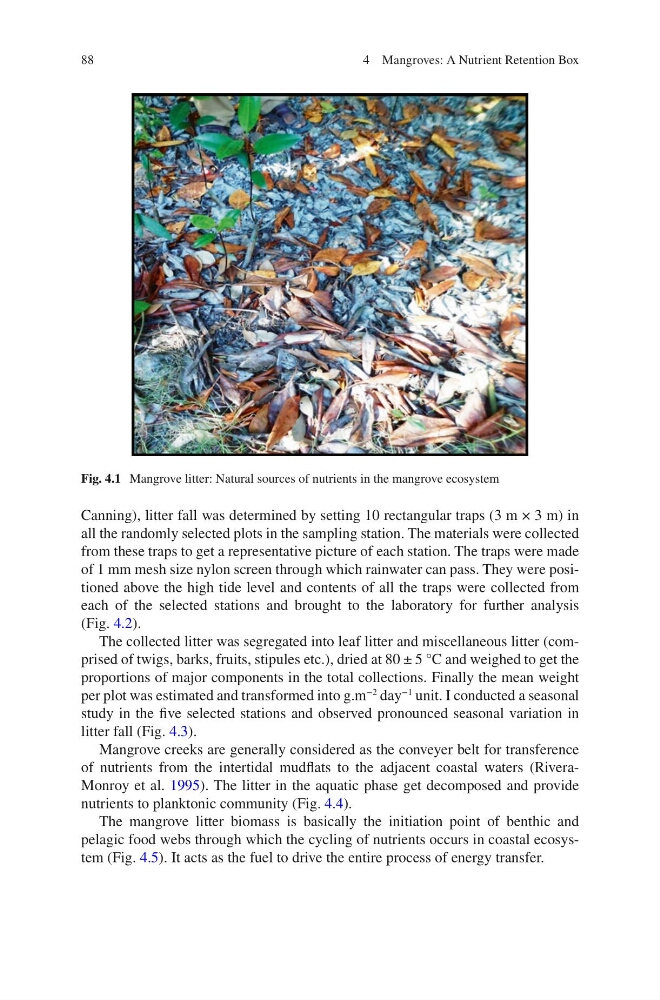
Fig. 4.1 Mangrove litter: Natural sources of nutrients in the mangrove ecosystem
4 Mangroves: A Nutrient Retention Box
Canning), litter fall was determined by setting 10 rectangular traps (3 m × 3 m) in
all the randomly selected plots in the sampling station. The materials were collected
from these traps to get a representative picture of each station. The traps were made
of 1 mm mesh size nylon screen through which rainwater can pass. They were positioned above the high tide level and contents of all the traps were collected from
each of the selected stations and brought to the laboratory for further analysis
(Fig. 4.2).
The collected litter was segregated into leaf litter and miscellaneous litter (comprised of twigs, barks, fruits, stipules etc.), dried at 80 ± 5 °C and weighed to get the
proportions of major components in the total collections. Finally the mean weight
per plot was estimated and transformed into g.m
−2
day
−1
unit. I conducted a seasonal
study in the five selected stations and observed pronounced seasonal variation in
litter fall (Fig. 4.3).
Mangrove creeks are generally considered as the conveyer belt for transference
of nutrients from the intertidal mudflats to the adjacent coastal waters (RiveraMonroy et al. 1995). The litter in the aquatic phase get decomposed and provide
nutrients to planktonic community (Fig. 4.4).
The mangrove litter biomass is basically the initiation point of benthic and
pelagic food webs through which the cycling of nutrients occurs in coastal ecosystem (Fig. 4.5). It acts as the fuel to drive the entire process of energy transfer.
Fig. 4.1 Mangrove litter: Natural sources of nutrients in the mangrove ecosystem
4 Mangroves: A Nutrient Retention Box