

A. Patil et al
297
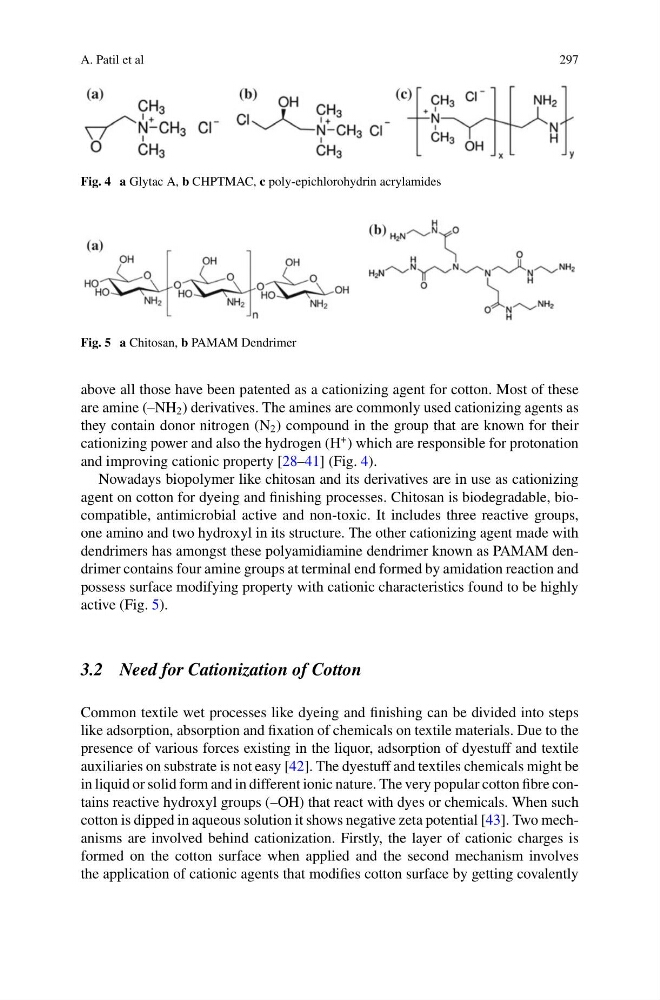
Fig. 4 a Glytac A, b CHPTMAC, c poly-epichlorohydrin acrylamides
Fig. 5 a Chitosan, b PAMAM Dendrimer
above all those have been patented as a cationizing agent for cotton. Most of these
are amine (–NH 2 ) derivatives. The amines are commonly used cationizing agents as
they contain donor nitrogen (N 2 ) compound in the group that are known for their
cationizing power and also the hydrogen (H
+ ) which are responsible for protonation
and improving cationic property [28–41] (Fig. 4).
Nowadays biopolymer like chitosan and its derivatives are in use as cationizing
agent on cotton for dyeing and finishing processes. Chitosan is biodegradable, biocompatible, antimicrobial active and non-toxic. It includes three reactive groups,
one amino and two hydroxyl in its structure. The other cationizing agent made with
dendrimers has amongst these polyamidiamine dendrimer known as PAMAM dendrimer contains four amine groups at terminal end formed by amidation reaction and
possess surface modifying property with cationic characteristics found to be highly
active (Fig. 5).
3.2 Need for Cationization of Cotton
Common textile wet processes like dyeing and finishing can be divided into steps
like adsorption, absorption and fixation of chemicals on textile materials. Due to the
presence of various forces existing in the liquor, adsorption of dyestuff and textile
auxiliaries on substrate is not easy [42]. The dyestuff and textiles chemicals might be
in liquid or solid form and in different ionic nature. The very popular cotton fibre contains reactive hydroxyl groups (–OH) that react with dyes or chemicals. When such
cotton is dipped in aqueous solution it shows negative zeta potential [43]. Two mechanisms are involved behind cationization. Firstly, the layer of cationic charges is
formed on the cotton surface when applied and the second mechanism involves
the application of cationic agents that modifies cotton surface by getting covalently
297
Fig. 4 a Glytac A, b CHPTMAC, c poly-epichlorohydrin acrylamides
Fig. 5 a Chitosan, b PAMAM Dendrimer
above all those have been patented as a cationizing agent for cotton. Most of these
are amine (–NH 2 ) derivatives. The amines are commonly used cationizing agents as
they contain donor nitrogen (N 2 ) compound in the group that are known for their
cationizing power and also the hydrogen (H
+ ) which are responsible for protonation
and improving cationic property [28–41] (Fig. 4).
Nowadays biopolymer like chitosan and its derivatives are in use as cationizing
agent on cotton for dyeing and finishing processes. Chitosan is biodegradable, biocompatible, antimicrobial active and non-toxic. It includes three reactive groups,
one amino and two hydroxyl in its structure. The other cationizing agent made with
dendrimers has amongst these polyamidiamine dendrimer known as PAMAM dendrimer contains four amine groups at terminal end formed by amidation reaction and
possess surface modifying property with cationic characteristics found to be highly
active (Fig. 5).
3.2 Need for Cationization of Cotton
Common textile wet processes like dyeing and finishing can be divided into steps
like adsorption, absorption and fixation of chemicals on textile materials. Due to the
presence of various forces existing in the liquor, adsorption of dyestuff and textile
auxiliaries on substrate is not easy [42]. The dyestuff and textiles chemicals might be
in liquid or solid form and in different ionic nature. The very popular cotton fibre contains reactive hydroxyl groups (–OH) that react with dyes or chemicals. When such
cotton is dipped in aqueous solution it shows negative zeta potential [43]. Two mechanisms are involved behind cationization. Firstly, the layer of cationic charges is
formed on the cotton surface when applied and the second mechanism involves
the application of cationic agents that modifies cotton surface by getting covalently