

Extrusion
The EHBT hybrids were processed for fiber spinning to examine their tensile properties. The dried blends were pressed at 160
C and 2500 kg/cm
2 for a few minutes on a
hot press. The film-type blends were dried in a vacuum oven for 24 h before being
extruded through the die of a capillary rheometer. From the capillary rheometer, the
hot extrudates were immediately drawn at constant take-up speed to form extended
extrudates having the same diameters. The cylinder temperature of the extruder was
190
C, and the mean residence time in the capillary rheometer was about 2–3 min.
1) Synthesis of PAM
EtOH/80°C
–H 2 O
2) Organoclay
O
O
HC
CH
O
O
HC
CH
H 2 N
NH 2
C12-MMT
+
CH 3
+
H 2 N
NH 2
HC
CH
PAM
N
N
CH 3
n
CH 3
+
MMT
; C12-MMT
CH 3 (CH 2 )nNH 3
3) Synthesis of PAM hybrid
PAM hybrid
In-situ
Intercalation
HC
CH
CH 3
N
N
C12-MMT
n
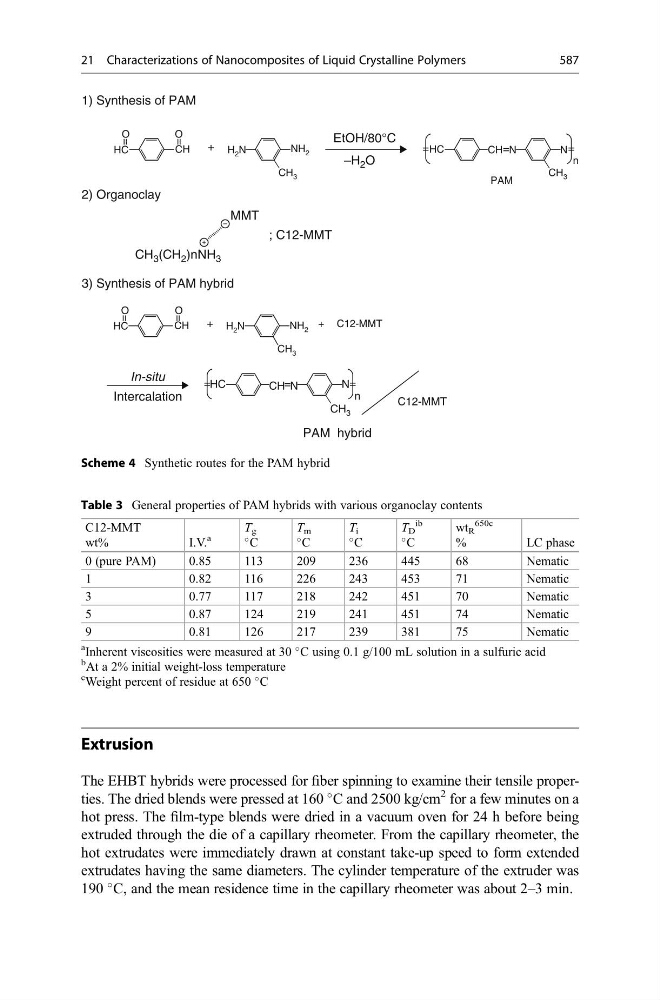
Scheme 4 Synthetic routes for the PAM hybrid
Table 3 General properties of PAM hybrids with various organoclay contents
C12-MMT
wt%
I.V.
a
T g
C
T m
C
T i
C
T D
ib
C
wt R
650c
%
LC phase
0 (pure PAM)
0.85
113
209
236
445
68
Nematic
1
0.82
116
226
243
453
71
Nematic
3
0.77
117
218
242
451
70
Nematic
5
0.87
124
219
241
451
74
Nematic
9
0.81
126
217
239
381
75
Nematic
a Inherent viscosities were measured at 30
C using 0.1 g/100 mL solution in a sulfuric acid
b
At a 2% initial weight-loss temperature
c Weight percent of residue at 650
C
21 Characterizations of Nanocomposites of Liquid Crystalline Polymers
587