

diffusivity in amorphous polymers in this analysis. Meanwhile, the γ of almost all
crystalline and liquid crystalline polymers is lower than 1 at crystallinities over
40% for CO 2 , 55% for O 2 , and 30% for N 2 . Based on these results, the crystalline
phase in crystalline and liquid crystalline polymers influence gas diffusivity
through the following: (1) the crystalline phase can increase gas diffusivity at
lower crystallinity ranges, and (2) crystallinity can restrict gas diffusivity at regions
of higher crystallinity.
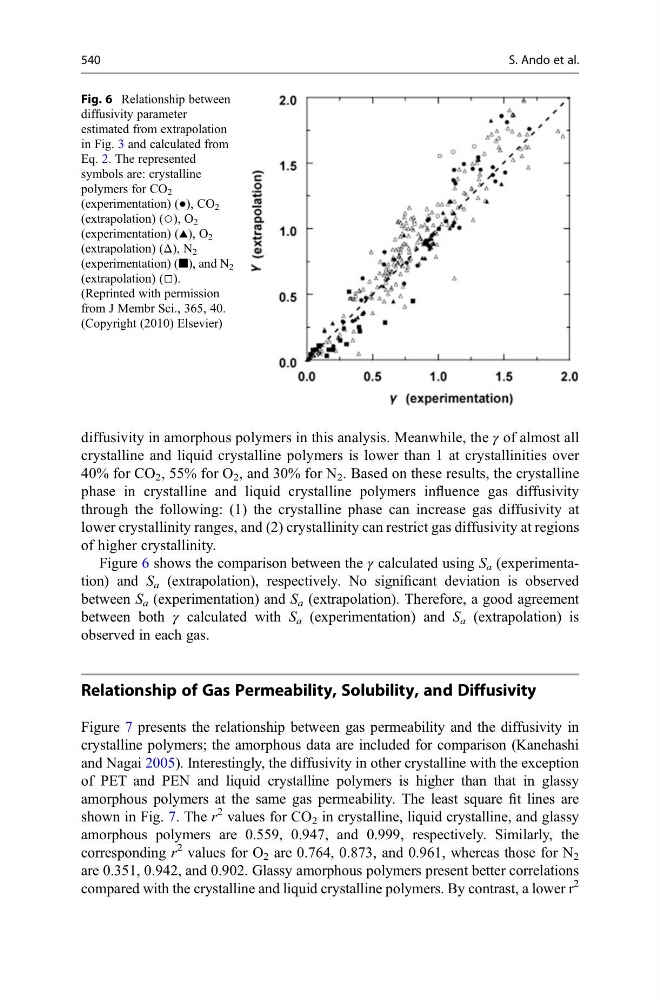
Figure 6 shows the comparison between the γ calculated using S a (experimentation) and S a (extrapolation), respectively. No significant deviation is observed
between S a (experimentation) and S a (extrapolation). Therefore, a good agreement
between both γ calculated with S a (experimentation) and S a (extrapolation) is
observed in each gas.
Relationship of Gas Permeability, Solubility, and Diffusivity
Figure 7 presents the relationship between gas permeability and the diffusivity in
crystalline polymers; the amorphous data are included for comparison (Kanehashi
and Nagai 2005). Interestingly, the diffusivity in other crystalline with the exception
of PET and PEN and liquid crystalline polymers is higher than that in glassy
amorphous polymers at the same gas permeability. The least square fit lines are
shown in Fig. 7. The r
2 values for CO 2 in crystalline, liquid crystalline, and glassy
amorphous polymers are 0.559, 0.947, and 0.999, respectively. Similarly, the
corresponding r
2 values for O 2 are 0.764, 0.873, and 0.961, whereas those for N 2
are 0.351, 0.942, and 0.902. Glassy amorphous polymers present better correlations
compared with the crystalline and liquid crystalline polymers. By contrast, a lower r
2
Fig. 6 Relationship between
diffusivity parameter
estimated from extrapolation
in Fig. 3 and calculated from
Eq. 2. The represented
symbols are: crystalline
polymers for CO 2
(experimentation) (●), CO 2
(extrapolation) (○), O 2
(experimentation) (~), O 2
(extrapolation) (Δ), N 2
(experimentation) (■), and N 2
(extrapolation) (□).
(Reprinted with permission
from J Membr Sci., 365, 40.
(Copyright (2010) Elsevier)
540
S. Ando et al.
crystalline and liquid crystalline polymers is lower than 1 at crystallinities over
40% for CO 2 , 55% for O 2 , and 30% for N 2 . Based on these results, the crystalline
phase in crystalline and liquid crystalline polymers influence gas diffusivity
through the following: (1) the crystalline phase can increase gas diffusivity at
lower crystallinity ranges, and (2) crystallinity can restrict gas diffusivity at regions
of higher crystallinity.
Figure 6 shows the comparison between the γ calculated using S a (experimentation) and S a (extrapolation), respectively. No significant deviation is observed
between S a (experimentation) and S a (extrapolation). Therefore, a good agreement
between both γ calculated with S a (experimentation) and S a (extrapolation) is
observed in each gas.
Relationship of Gas Permeability, Solubility, and Diffusivity
Figure 7 presents the relationship between gas permeability and the diffusivity in
crystalline polymers; the amorphous data are included for comparison (Kanehashi
and Nagai 2005). Interestingly, the diffusivity in other crystalline with the exception
of PET and PEN and liquid crystalline polymers is higher than that in glassy
amorphous polymers at the same gas permeability. The least square fit lines are
shown in Fig. 7. The r
2 values for CO 2 in crystalline, liquid crystalline, and glassy
amorphous polymers are 0.559, 0.947, and 0.999, respectively. Similarly, the
corresponding r
2 values for O 2 are 0.764, 0.873, and 0.961, whereas those for N 2
are 0.351, 0.942, and 0.902. Glassy amorphous polymers present better correlations
compared with the crystalline and liquid crystalline polymers. By contrast, a lower r
2
Fig. 6 Relationship between
diffusivity parameter
estimated from extrapolation
in Fig. 3 and calculated from
Eq. 2. The represented
symbols are: crystalline
polymers for CO 2
(experimentation) (●), CO 2
(extrapolation) (○), O 2
(experimentation) (~), O 2
(extrapolation) (Δ), N 2
(experimentation) (■), and N 2
(extrapolation) (□).
(Reprinted with permission
from J Membr Sci., 365, 40.
(Copyright (2010) Elsevier)
540
S. Ando et al.