

through short sequences of flexible links. Both systems: main-chain and side-chain
can give electro-optical properties which provide useful modifications to those seen
in materials composed of smaller molecules (Larson 1999; Donald et al. 2006).
Biological Liquid Crystals
Liquid crystalline behavior has also been encountered in many biological materials
such as proteins and carbohydrates, whose synthesis are specified by the genetic
code resulting in precise chemical sequences spatial conformations and molecular
weights (Rey 2007, 2009, 2010; Rey and Herrera-Valencia 2012; Rey et al. 2014).
Structural proteins are the basic precursors for the manufacturing of hair, cartilage,
tendon, bone, and silk along with carbohydrates which are the fibrous components of
plant cell walls and insect cuticle (Fratzl 2003). By adding substances such as
mineral salts to sugars and proteins, tough materials are obtained (Giraud-Guille
1998, 2005). It is worth mentioning that Nature can manufacture an immense variety
of structural materials that display properties rarely encountered in technology, such
as multifunctionality (such as the combination of mechanic/optical and electromagnetic/chemical responses), self-healing from fractures and damages, and adaptation
to environmental changes (Neville 1993). These remarkable microstructures are not
fully formed inside cells, but the precursors of these materials are secreted into
extracellular spaces where they undergo self-assembly into supramolecular structures, grow into hierarchical architectures, and flow/process into fibers, films, and
adhesives (Larson 1999; Chandrasekhar 1992; de Gennes and Prost 1993; Belamie
et al. 2006; Rey 2010). In addition, the arranged structures, similar to those observed
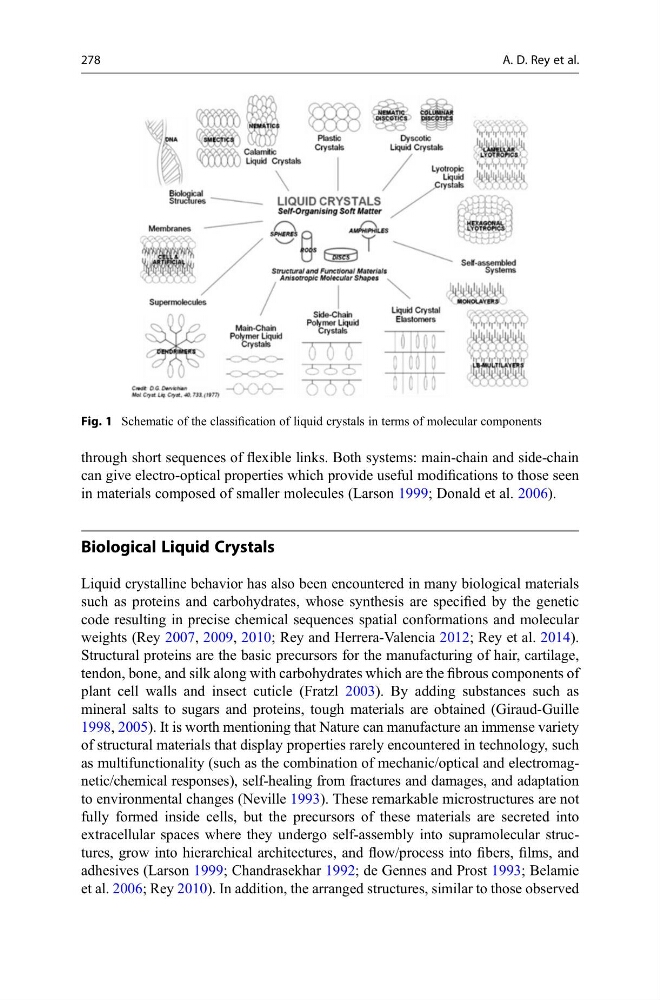
Fig. 1 Schematic of the classification of liquid crystals in terms of molecular components
278
A. D. Rey et al.
can give electro-optical properties which provide useful modifications to those seen
in materials composed of smaller molecules (Larson 1999; Donald et al. 2006).
Biological Liquid Crystals
Liquid crystalline behavior has also been encountered in many biological materials
such as proteins and carbohydrates, whose synthesis are specified by the genetic
code resulting in precise chemical sequences spatial conformations and molecular
weights (Rey 2007, 2009, 2010; Rey and Herrera-Valencia 2012; Rey et al. 2014).
Structural proteins are the basic precursors for the manufacturing of hair, cartilage,
tendon, bone, and silk along with carbohydrates which are the fibrous components of
plant cell walls and insect cuticle (Fratzl 2003). By adding substances such as
mineral salts to sugars and proteins, tough materials are obtained (Giraud-Guille
1998, 2005). It is worth mentioning that Nature can manufacture an immense variety
of structural materials that display properties rarely encountered in technology, such
as multifunctionality (such as the combination of mechanic/optical and electromagnetic/chemical responses), self-healing from fractures and damages, and adaptation
to environmental changes (Neville 1993). These remarkable microstructures are not
fully formed inside cells, but the precursors of these materials are secreted into
extracellular spaces where they undergo self-assembly into supramolecular structures, grow into hierarchical architectures, and flow/process into fibers, films, and
adhesives (Larson 1999; Chandrasekhar 1992; de Gennes and Prost 1993; Belamie
et al. 2006; Rey 2010). In addition, the arranged structures, similar to those observed
Fig. 1 Schematic of the classification of liquid crystals in terms of molecular components
278
A. D. Rey et al.