

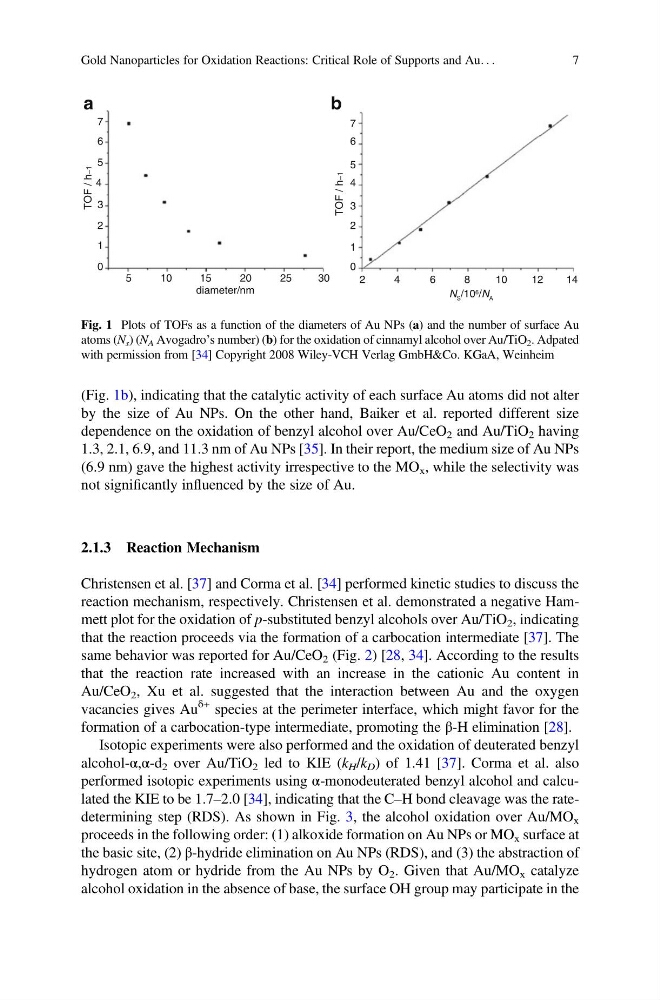
(Fig. 1b), indicating that the catalytic activity of each surface Au atoms did not alter
by the size of Au NPs. On the other hand, Baiker et al. reported different size
dependence on the oxidation of benzyl alcohol over Au/CeO 2 and Au/TiO 2 having
1.3, 2.1, 6.9, and 11.3 nm of Au NPs [35]. In their report, the medium size of Au NPs
(6.9 nm) gave the highest activity irrespective to the MO x , while the selectivity was
not significantly influenced by the size of Au.
2.1.3 Reaction Mechanism
Christensen et al. [37] and Corma et al. [34] performed kinetic studies to discuss the
reaction mechanism, respectively. Christensen et al. demonstrated a negative Hammett plot for the oxidation of p-substituted benzyl alcohols over Au/TiO 2 , indicating
that the reaction proceeds via the formation of a carbocation intermediate [37]. The
same behavior was reported for Au/CeO 2 (Fig. 2) [28, 34]. According to the results
that the reaction rate increased with an increase in the cationic Au content in
Au/CeO 2 , Xu et al. suggested that the interaction between Au and the oxygen
vacancies gives Au
δ+ species at the perimeter interface, which might favor for the
formation of a carbocation-type intermediate, promoting the β-H elimination [28].
Isotopic experiments were also performed and the oxidation of deuterated benzyl
alcohol-α,α-d 2 over Au/TiO 2 led to KIE (k H /k D ) of 1.41 [37]. Corma et al. also
performed isotopic experiments using α-monodeuterated benzyl alcohol and calculated the KIE to be 1.7–2.0 [34], indicating that the C–H bond cleavage was the ratedetermining step (RDS). As shown in Fig. 3, the alcohol oxidation over Au/MO x
proceeds in the following order: (1) alkoxide formation on Au NPs or MO x surface at
the basic site, (2) β-hydride elimination on Au NPs (RDS), and (3) the abstraction of
hydrogen atom or hydride from the Au NPs by O 2 . Given that Au/MO x catalyze
alcohol oxidation in the absence of base, the surface OH group may participate in the
7
6
5
3
4
2
1
0
TOF / h–1
TOF / h–1
5
1 0
1 5
20
25
30
diameter/nm
7
6
5
4
3
2
1
0
2
4
6
8
10
12
14
N S /10 6 /N A
a
b
Fig. 1 Plots of TOFs as a function of the diameters of Au NPs (a) and the number of surface Au
atoms (N s ) (N A Avogadro’s number) (b) for the oxidation of cinnamyl alcohol over Au/TiO 2 . Adpated
with permission from [34] Copyright 2008 Wiley-VCH Verlag GmbH&Co. KGaA, Weinheim
Gold Nanoparticles for Oxidation Reactions: Critical Role of Supports and Au. . .
7
by the size of Au NPs. On the other hand, Baiker et al. reported different size
dependence on the oxidation of benzyl alcohol over Au/CeO 2 and Au/TiO 2 having
1.3, 2.1, 6.9, and 11.3 nm of Au NPs [35]. In their report, the medium size of Au NPs
(6.9 nm) gave the highest activity irrespective to the MO x , while the selectivity was
not significantly influenced by the size of Au.
2.1.3 Reaction Mechanism
Christensen et al. [37] and Corma et al. [34] performed kinetic studies to discuss the
reaction mechanism, respectively. Christensen et al. demonstrated a negative Hammett plot for the oxidation of p-substituted benzyl alcohols over Au/TiO 2 , indicating
that the reaction proceeds via the formation of a carbocation intermediate [37]. The
same behavior was reported for Au/CeO 2 (Fig. 2) [28, 34]. According to the results
that the reaction rate increased with an increase in the cationic Au content in
Au/CeO 2 , Xu et al. suggested that the interaction between Au and the oxygen
vacancies gives Au
δ+ species at the perimeter interface, which might favor for the
formation of a carbocation-type intermediate, promoting the β-H elimination [28].
Isotopic experiments were also performed and the oxidation of deuterated benzyl
alcohol-α,α-d 2 over Au/TiO 2 led to KIE (k H /k D ) of 1.41 [37]. Corma et al. also
performed isotopic experiments using α-monodeuterated benzyl alcohol and calculated the KIE to be 1.7–2.0 [34], indicating that the C–H bond cleavage was the ratedetermining step (RDS). As shown in Fig. 3, the alcohol oxidation over Au/MO x
proceeds in the following order: (1) alkoxide formation on Au NPs or MO x surface at
the basic site, (2) β-hydride elimination on Au NPs (RDS), and (3) the abstraction of
hydrogen atom or hydride from the Au NPs by O 2 . Given that Au/MO x catalyze
alcohol oxidation in the absence of base, the surface OH group may participate in the
7
6
5
3
4
2
1
0
TOF / h–1
TOF / h–1
5
1 0
1 5
20
25
30
diameter/nm
7
6
5
4
3
2
1
0
2
4
6
8
10
12
14
N S /10 6 /N A
a
b
Fig. 1 Plots of TOFs as a function of the diameters of Au NPs (a) and the number of surface Au
atoms (N s ) (N A Avogadro’s number) (b) for the oxidation of cinnamyl alcohol over Au/TiO 2 . Adpated
with permission from [34] Copyright 2008 Wiley-VCH Verlag GmbH&Co. KGaA, Weinheim
Gold Nanoparticles for Oxidation Reactions: Critical Role of Supports and Au. . .
7