

adsorbate. The valves are paired, so that when the switch is triggered, they open and
close simultaneously.
Other configurations include housing the ZLC in a normal gas chromatograph
which allows the use of a rotary valve [4]. The main advantage of the four-valve
assembly is that the ZLC is always in flow and there are no spikes in pressure/flow.
The rotary valve has a short period where flow is interrupted between the initial
position and the alignment of the valve in the new position.
The inset of Fig. 1 shows a Swagelok 1/8
00 union which is used to house the
sample. Two packing arrangements are possible. A small amount of sample, typically approximately 1 mg, can be placed between two sinter disks on one side of the
union. This is the normal assembly when measuring kinetics of strongly adsorbed
components, such as hydrocarbon and aromatic vapours on zeolites [4]. Another
option is to insert a sinter disk on one side of the union and place the sample in the
space between the two sides of the union. This allows to insert approximately 10 mg
of sample and is the better option when studying adsorbates that are not adsorbed
very strongly. The distance between the two sides is less than 10 mm, so the system
behaves as a ZLC as long as adsorption is not too strong, and this is often the case
when studying CO 2 kinetics. To avoid gas bypassing the adsorbent material, the
column should have its main axis aligned vertically.
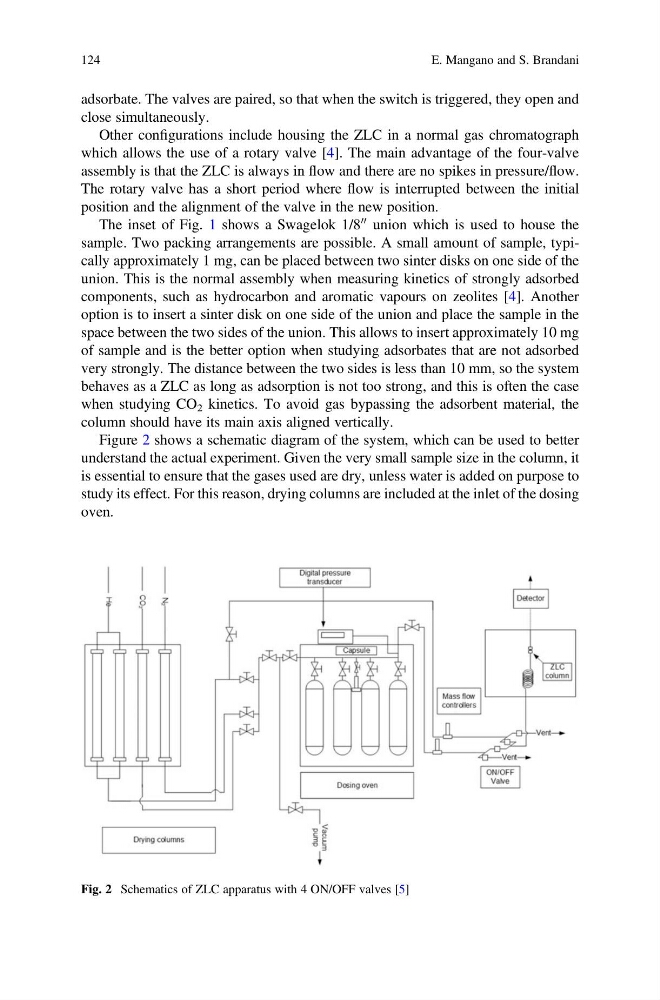
Figure 2 shows a schematic diagram of the system, which can be used to better
understand the actual experiment. Given the very small sample size in the column, it
is essential to ensure that the gases used are dry, unless water is added on purpose to
study its effect. For this reason, drying columns are included at the inlet of the dosing
oven.
Fig. 2 Schematics of ZLC apparatus with 4 ON/OFF valves [5]
124
E. Mangano and S. Brandani
close simultaneously.
Other configurations include housing the ZLC in a normal gas chromatograph
which allows the use of a rotary valve [4]. The main advantage of the four-valve
assembly is that the ZLC is always in flow and there are no spikes in pressure/flow.
The rotary valve has a short period where flow is interrupted between the initial
position and the alignment of the valve in the new position.
The inset of Fig. 1 shows a Swagelok 1/8
00 union which is used to house the
sample. Two packing arrangements are possible. A small amount of sample, typically approximately 1 mg, can be placed between two sinter disks on one side of the
union. This is the normal assembly when measuring kinetics of strongly adsorbed
components, such as hydrocarbon and aromatic vapours on zeolites [4]. Another
option is to insert a sinter disk on one side of the union and place the sample in the
space between the two sides of the union. This allows to insert approximately 10 mg
of sample and is the better option when studying adsorbates that are not adsorbed
very strongly. The distance between the two sides is less than 10 mm, so the system
behaves as a ZLC as long as adsorption is not too strong, and this is often the case
when studying CO 2 kinetics. To avoid gas bypassing the adsorbent material, the
column should have its main axis aligned vertically.
Figure 2 shows a schematic diagram of the system, which can be used to better
understand the actual experiment. Given the very small sample size in the column, it
is essential to ensure that the gases used are dry, unless water is added on purpose to
study its effect. For this reason, drying columns are included at the inlet of the dosing
oven.
Fig. 2 Schematics of ZLC apparatus with 4 ON/OFF valves [5]
124
E. Mangano and S. Brandani