

showing any toxic symptoms. McGrath and Zhao (2003) in his study mentioned the
bioconcentration factor which is the ratio of heavy metal concentration above the
ground to the soil. Hyperaccumulators have high bioaccumulation factor which
makes it as a feasible option for phytoremediation technique.
Table 14.1 (continued)
S. no. Heavy metal
Heavy metal toxicity in plants
Reference
12
Fungicides
Causes changes in ascorbate, lipid,
sugar, and nucleotide metabolisms and
amino acids levels
Pereira et al. (2014)
13
Insecticide
(diazinon)
Produces alterations in metabolites
involved in the biosynthesis and
metabolism of phenylpropanoids,
sugars, amino acids, and organic acids;
induces changes in antioxidant defense
Mahdavi et al. (2015)
14
Pesticides
Leads to upregulation of carbohydrates,
phenols, and antioxidants in rice leaves
and amino acids, and other carbohydrates were downregulated in rice seed
Zhao et al. (2015)
15
Nanoparticles
Induces metabolite changes in
Arabidopsis thaliana and also affects
metabolite pathways
Ke et al. (2018)
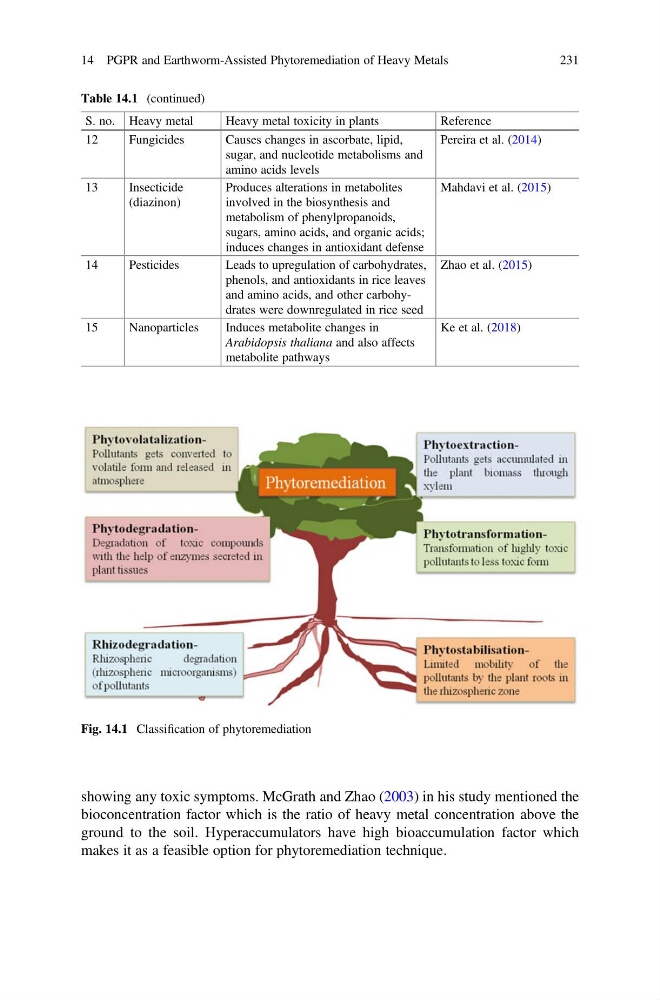
Fig. 14.1 Classification of phytoremediation
14 PGPR and Earthworm-Assisted Phytoremediation of Heavy Metals
231
bioconcentration factor which is the ratio of heavy metal concentration above the
ground to the soil. Hyperaccumulators have high bioaccumulation factor which
makes it as a feasible option for phytoremediation technique.
Table 14.1 (continued)
S. no. Heavy metal
Heavy metal toxicity in plants
Reference
12
Fungicides
Causes changes in ascorbate, lipid,
sugar, and nucleotide metabolisms and
amino acids levels
Pereira et al. (2014)
13
Insecticide
(diazinon)
Produces alterations in metabolites
involved in the biosynthesis and
metabolism of phenylpropanoids,
sugars, amino acids, and organic acids;
induces changes in antioxidant defense
Mahdavi et al. (2015)
14
Pesticides
Leads to upregulation of carbohydrates,
phenols, and antioxidants in rice leaves
and amino acids, and other carbohydrates were downregulated in rice seed
Zhao et al. (2015)
15
Nanoparticles
Induces metabolite changes in
Arabidopsis thaliana and also affects
metabolite pathways
Ke et al. (2018)
Fig. 14.1 Classification of phytoremediation
14 PGPR and Earthworm-Assisted Phytoremediation of Heavy Metals
231