

109
the deep ocean along with gaseous hydrocarbons which represented ~30–50% of
the mass of liquid hydrocarbons, primarily as methane (McNutt et al. 2012; Joye
2015). Approximately half of all discharged hydrocarbons were entrained in the
deep ocean in several intrusion layers, termed “deep plumes,” from 900 to 1200 m
water depth due to kinetic fractionation (Valentine et al. 2012). These deep subsurface plumes contained all the soluble gaseous hydrocarbons, monoaromatic hydrocarbons (BTEX), as well as larger molecular weight insoluble compounds that
were sequestered in small neutrally buoyant droplets (Valentine et al. 2012).
Furthermore, emergency responders injected 2.1 million gallons of chemical dispersant into the rising hydrocarbon plume at the wellhead. Of the oil discharged
from MC252, 17% was recovered by drill or skimming ships, 29% was naturally
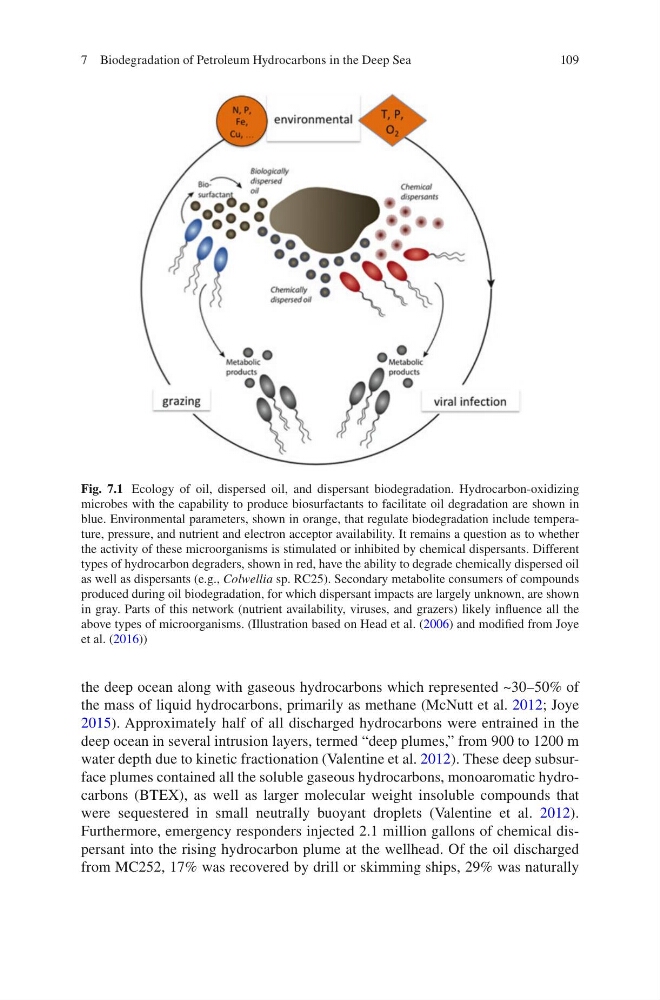
Fig. 7.1 Ecology of oil, dispersed oil, and dispersant biodegradation. Hydrocarbon-oxidizing
microbes with the capability to produce biosurfactants to facilitate oil degradation are shown in
blue. Environmental parameters, shown in orange, that regulate biodegradation include temperature, pressure, and nutrient and electron acceptor availability. It remains a question as to whether
the activity of these microorganisms is stimulated or inhibited by chemical dispersants. Different
types of hydrocarbon degraders, shown in red, have the ability to degrade chemically dispersed oil
as well as dispersants (e.g., Colwellia sp. RC25). Secondary metabolite consumers of compounds
produced during oil biodegradation, for which dispersant impacts are largely unknown, are shown
in gray. Parts of this network (nutrient availability, viruses, and grazers) likely influence all the
above types of microorganisms. (Illustration based on Head et al. (2006) and modified from Joye
et al. (2016))
7 Biodegradation of Petroleum Hydrocarbons in the Deep Sea
the deep ocean along with gaseous hydrocarbons which represented ~30–50% of
the mass of liquid hydrocarbons, primarily as methane (McNutt et al. 2012; Joye
2015). Approximately half of all discharged hydrocarbons were entrained in the
deep ocean in several intrusion layers, termed “deep plumes,” from 900 to 1200 m
water depth due to kinetic fractionation (Valentine et al. 2012). These deep subsurface plumes contained all the soluble gaseous hydrocarbons, monoaromatic hydrocarbons (BTEX), as well as larger molecular weight insoluble compounds that
were sequestered in small neutrally buoyant droplets (Valentine et al. 2012).
Furthermore, emergency responders injected 2.1 million gallons of chemical dispersant into the rising hydrocarbon plume at the wellhead. Of the oil discharged
from MC252, 17% was recovered by drill or skimming ships, 29% was naturally
Fig. 7.1 Ecology of oil, dispersed oil, and dispersant biodegradation. Hydrocarbon-oxidizing
microbes with the capability to produce biosurfactants to facilitate oil degradation are shown in
blue. Environmental parameters, shown in orange, that regulate biodegradation include temperature, pressure, and nutrient and electron acceptor availability. It remains a question as to whether
the activity of these microorganisms is stimulated or inhibited by chemical dispersants. Different
types of hydrocarbon degraders, shown in red, have the ability to degrade chemically dispersed oil
as well as dispersants (e.g., Colwellia sp. RC25). Secondary metabolite consumers of compounds
produced during oil biodegradation, for which dispersant impacts are largely unknown, are shown
in gray. Parts of this network (nutrient availability, viruses, and grazers) likely influence all the
above types of microorganisms. (Illustration based on Head et al. (2006) and modified from Joye
et al. (2016))
7 Biodegradation of Petroleum Hydrocarbons in the Deep Sea