

3.3 Biological Bio-augmented Composting and Secondary …
79
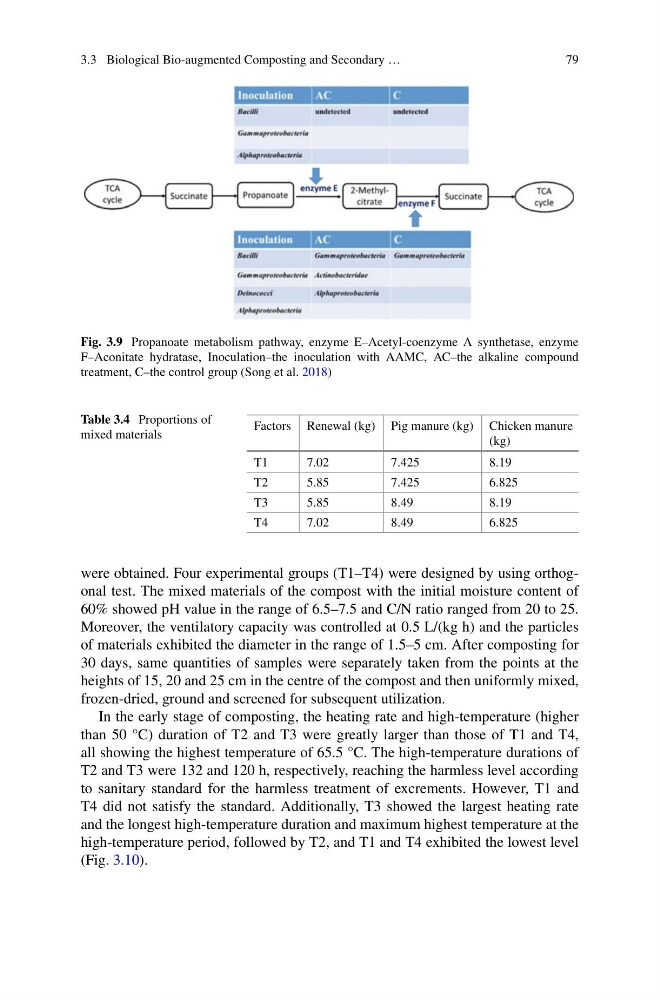
Fig. 3.9 Propanoate metabolism pathway, enzyme E–Acetyl-coenzyme A synthetase, enzyme
F–Aconitate hydratase, Inoculation–the inoculation with AAMC, AC–the alkaline compound
treatment, C–the control group (Song et al. 2018)
Table 3.4 Proportions of
mixed materials
Factors Renewal (kg) Pig manure (kg) Chicken manure
(kg)
T1
7.02
7.425
8.19
T2
5.85
7.425
6.825
T3
5.85
8.49
8.19
T4
7.02
8.49
6.825
were obtained. Four experimental groups (T1–T4) were designed by using orthogonal test. The mixed materials of the compost with the initial moisture content of
60% showed pH value in the range of 6.5–7.5 and C/N ratio ranged from 20 to 25.
Moreover, the ventilatory capacity was controlled at 0.5 L/(kg h) and the particles
of materials exhibited the diameter in the range of 1.5–5 cm. After composting for
30 days, same quantities of samples were separately taken from the points at the
heights of 15, 20 and 25 cm in the centre of the compost and then uniformly mixed,
frozen-dried, ground and screened for subsequent utilization.
In the early stage of composting, the heating rate and high-temperature (higher
than 50 °C) duration of T2 and T3 were greatly larger than those of T1 and T4,
all showing the highest temperature of 65.5 °C. The high-temperature durations of
T2 and T3 were 132 and 120 h, respectively, reaching the harmless level according
to sanitary standard for the harmless treatment of excrements. However, T1 and
T4 did not satisfy the standard. Additionally, T3 showed the largest heating rate
and the longest high-temperature duration and maximum highest temperature at the
high-temperature period, followed by T2, and T1 and T4 exhibited the lowest level
(Fig. 3.10).
79
Fig. 3.9 Propanoate metabolism pathway, enzyme E–Acetyl-coenzyme A synthetase, enzyme
F–Aconitate hydratase, Inoculation–the inoculation with AAMC, AC–the alkaline compound
treatment, C–the control group (Song et al. 2018)
Table 3.4 Proportions of
mixed materials
Factors Renewal (kg) Pig manure (kg) Chicken manure
(kg)
T1
7.02
7.425
8.19
T2
5.85
7.425
6.825
T3
5.85
8.49
8.19
T4
7.02
8.49
6.825
were obtained. Four experimental groups (T1–T4) were designed by using orthogonal test. The mixed materials of the compost with the initial moisture content of
60% showed pH value in the range of 6.5–7.5 and C/N ratio ranged from 20 to 25.
Moreover, the ventilatory capacity was controlled at 0.5 L/(kg h) and the particles
of materials exhibited the diameter in the range of 1.5–5 cm. After composting for
30 days, same quantities of samples were separately taken from the points at the
heights of 15, 20 and 25 cm in the centre of the compost and then uniformly mixed,
frozen-dried, ground and screened for subsequent utilization.
In the early stage of composting, the heating rate and high-temperature (higher
than 50 °C) duration of T2 and T3 were greatly larger than those of T1 and T4,
all showing the highest temperature of 65.5 °C. The high-temperature durations of
T2 and T3 were 132 and 120 h, respectively, reaching the harmless level according
to sanitary standard for the harmless treatment of excrements. However, T1 and
T4 did not satisfy the standard. Additionally, T3 showed the largest heating rate
and the longest high-temperature duration and maximum highest temperature at the
high-temperature period, followed by T2, and T1 and T4 exhibited the lowest level
(Fig. 3.10).