

36
2 High-Efficient Anaerobic Fermentation Technology of Organic …
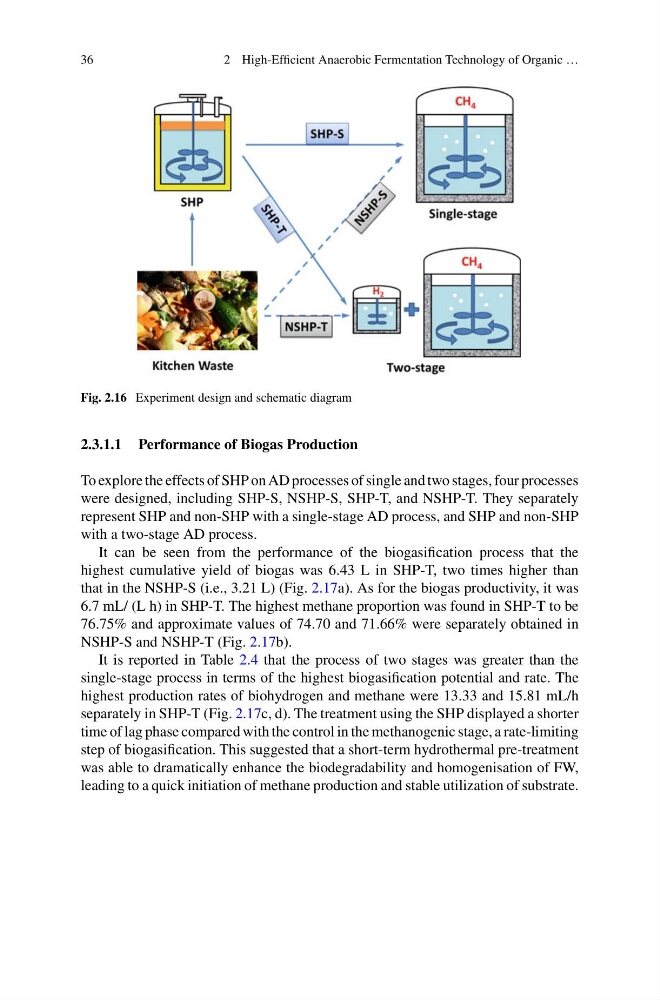
Fig. 2.16 Experiment design and schematic diagram
2.3.1.1 Performance of Biogas Production
To explore the effects of SHP on AD processes of single and two stages, four processes
were designed, including SHP-S, NSHP-S, SHP-T, and NSHP-T. They separately
represent SHP and non-SHP with a single-stage AD process, and SHP and non-SHP
with a two-stage AD process.
It can be seen from the performance of the biogasification process that the
highest cumulative yield of biogas was 6.43 L in SHP-T, two times higher than
that in the NSHP-S (i.e., 3.21 L) (Fig. 2.17a). As for the biogas productivity, it was
6.7 mL/ (L h) in SHP-T. The highest methane proportion was found in SHP-T to be
76.75% and approximate values of 74.70 and 71.66% were separately obtained in
NSHP-S and NSHP-T (Fig. 2.17b).
It is reported in Table 2.4 that the process of two stages was greater than the
single-stage process in terms of the highest biogasification potential and rate. The
highest production rates of biohydrogen and methane were 13.33 and 15.81 mL/h
separately in SHP-T (Fig. 2.17c, d). The treatment using the SHP displayed a shorter
time of lag phase compared with the control in the methanogenic stage, a rate-limiting
step of biogasification. This suggested that a short-term hydrothermal pre-treatment
was able to dramatically enhance the biodegradability and homogenisation of FW,
leading to a quick initiation of methane production and stable utilization of substrate.
2 High-Efficient Anaerobic Fermentation Technology of Organic …
Fig. 2.16 Experiment design and schematic diagram
2.3.1.1 Performance of Biogas Production
To explore the effects of SHP on AD processes of single and two stages, four processes
were designed, including SHP-S, NSHP-S, SHP-T, and NSHP-T. They separately
represent SHP and non-SHP with a single-stage AD process, and SHP and non-SHP
with a two-stage AD process.
It can be seen from the performance of the biogasification process that the
highest cumulative yield of biogas was 6.43 L in SHP-T, two times higher than
that in the NSHP-S (i.e., 3.21 L) (Fig. 2.17a). As for the biogas productivity, it was
6.7 mL/ (L h) in SHP-T. The highest methane proportion was found in SHP-T to be
76.75% and approximate values of 74.70 and 71.66% were separately obtained in
NSHP-S and NSHP-T (Fig. 2.17b).
It is reported in Table 2.4 that the process of two stages was greater than the
single-stage process in terms of the highest biogasification potential and rate. The
highest production rates of biohydrogen and methane were 13.33 and 15.81 mL/h
separately in SHP-T (Fig. 2.17c, d). The treatment using the SHP displayed a shorter
time of lag phase compared with the control in the methanogenic stage, a rate-limiting
step of biogasification. This suggested that a short-term hydrothermal pre-treatment
was able to dramatically enhance the biodegradability and homogenisation of FW,
leading to a quick initiation of methane production and stable utilization of substrate.