

2.2 Pre-treatment Technologies of Anaerobic Fermentation
21
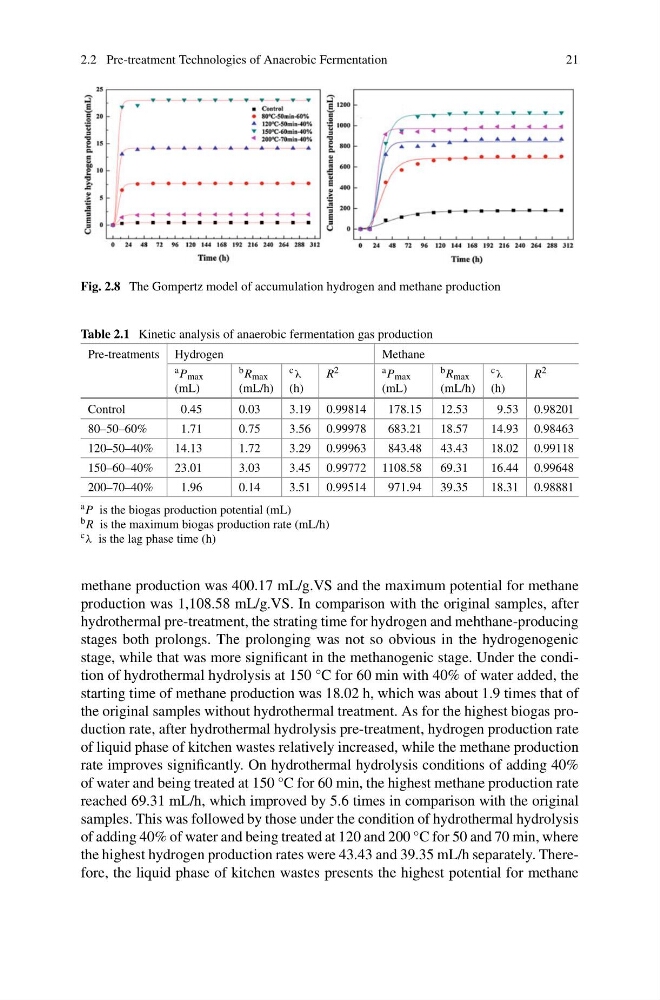
Fig. 2.8 The Gompertz model of accumulation hydrogen and methane production
Table 2.1 Kinetic analysis of anaerobic fermentation gas production
Pre-treatments Hydrogen
Methane
a P max
(mL)
b R max
(mL/h)
c λ
(h)
R 2
a P max
(mL)
b R max
(mL/h)
c λ
(h)
R 2
Control
0.45
0.03
3.19 0.99814
178.15
12.53
9.53 0.98201
80–50–60%
1.71
0.75
3.56 0.99978
683.21
18.57
14.93 0.98463
120–50–40%
14.13
1.72
3.29 0.99963
843.48
43.43
18.02 0.99118
150–60–40%
23.01
3.03
3.45 0.99772 1108.58
69.31
16.44 0.99648
200–70–40%
1.96
0.14
3.51 0.99514
971.94
39.35
18.31 0.98881
a P is the biogas production potential (mL)
b R is the maximum biogas production rate (mL/h)
c λ is the lag phase time (h)
methane production was 400.17 mL/g.VS and the maximum potential for methane
production was 1,108.58 mL/g.VS. In comparison with the original samples, after
hydrothermal pre-treatment, the strating time for hydrogen and mehthane-producing
stages both prolongs. The prolonging was not so obvious in the hydrogenogenic
stage, while that was more significant in the methanogenic stage. Under the condition of hydrothermal hydrolysis at 150 °C for 60 min with 40% of water added, the
starting time of methane production was 18.02 h, which was about 1.9 times that of
the original samples without hydrothermal treatment. As for the highest biogas production rate, after hydrothermal hydrolysis pre-treatment, hydrogen production rate
of liquid phase of kitchen wastes relatively increased, while the methane production
rate improves significantly. On hydrothermal hydrolysis conditions of adding 40%
of water and being treated at 150 °C for 60 min, the highest methane production rate
reached 69.31 mL/h, which improved by 5.6 times in comparison with the original
samples. This was followed by those under the condition of hydrothermal hydrolysis
of adding 40% of water and being treated at 120 and 200 °C for 50 and 70 min, where
the highest hydrogen production rates were 43.43 and 39.35 mL/h separately. Therefore, the liquid phase of kitchen wastes presents the highest potential for methane
21
Fig. 2.8 The Gompertz model of accumulation hydrogen and methane production
Table 2.1 Kinetic analysis of anaerobic fermentation gas production
Pre-treatments Hydrogen
Methane
a P max
(mL)
b R max
(mL/h)
c λ
(h)
R 2
a P max
(mL)
b R max
(mL/h)
c λ
(h)
R 2
Control
0.45
0.03
3.19 0.99814
178.15
12.53
9.53 0.98201
80–50–60%
1.71
0.75
3.56 0.99978
683.21
18.57
14.93 0.98463
120–50–40%
14.13
1.72
3.29 0.99963
843.48
43.43
18.02 0.99118
150–60–40%
23.01
3.03
3.45 0.99772 1108.58
69.31
16.44 0.99648
200–70–40%
1.96
0.14
3.51 0.99514
971.94
39.35
18.31 0.98881
a P is the biogas production potential (mL)
b R is the maximum biogas production rate (mL/h)
c λ is the lag phase time (h)
methane production was 400.17 mL/g.VS and the maximum potential for methane
production was 1,108.58 mL/g.VS. In comparison with the original samples, after
hydrothermal pre-treatment, the strating time for hydrogen and mehthane-producing
stages both prolongs. The prolonging was not so obvious in the hydrogenogenic
stage, while that was more significant in the methanogenic stage. Under the condition of hydrothermal hydrolysis at 150 °C for 60 min with 40% of water added, the
starting time of methane production was 18.02 h, which was about 1.9 times that of
the original samples without hydrothermal treatment. As for the highest biogas production rate, after hydrothermal hydrolysis pre-treatment, hydrogen production rate
of liquid phase of kitchen wastes relatively increased, while the methane production
rate improves significantly. On hydrothermal hydrolysis conditions of adding 40%
of water and being treated at 150 °C for 60 min, the highest methane production rate
reached 69.31 mL/h, which improved by 5.6 times in comparison with the original
samples. This was followed by those under the condition of hydrothermal hydrolysis
of adding 40% of water and being treated at 120 and 200 °C for 50 and 70 min, where
the highest hydrogen production rates were 43.43 and 39.35 mL/h separately. Therefore, the liquid phase of kitchen wastes presents the highest potential for methane