

31
III. Chitin and chitosan production by chemical methods
The conventional approach to chitin extraction from crustacean exoskeletons involves two main
steps. Initially, the protein is separated via alkali treatment, followed by separation of calcium
carbonate (and calcium phosphate) through acidic treatment at high temperatures.
Subsequently, the resultant product undergoes a bleaching process using chemical reagents to
achieve a colorless final product.
The primary technique utilized to obtain chitosan involves alkaline deacetylation of chitin using
a potent alkaline solution for varying durations.
Methods (Extraction of Chitosan)
In this study, the production of chitin and chitosan was carried out based on three protocols
described in the literature, with modifications made after numerous trials to achieve a hi gh
extraction yield and a high-quality chitosan product.
Method 01
This method is conducted according to a private document by European Science and
Technology in Action Building Links with Industry, Schools and Home.
Protein removal:
Calcium carbonate removal:
Calcium carbonate removal:
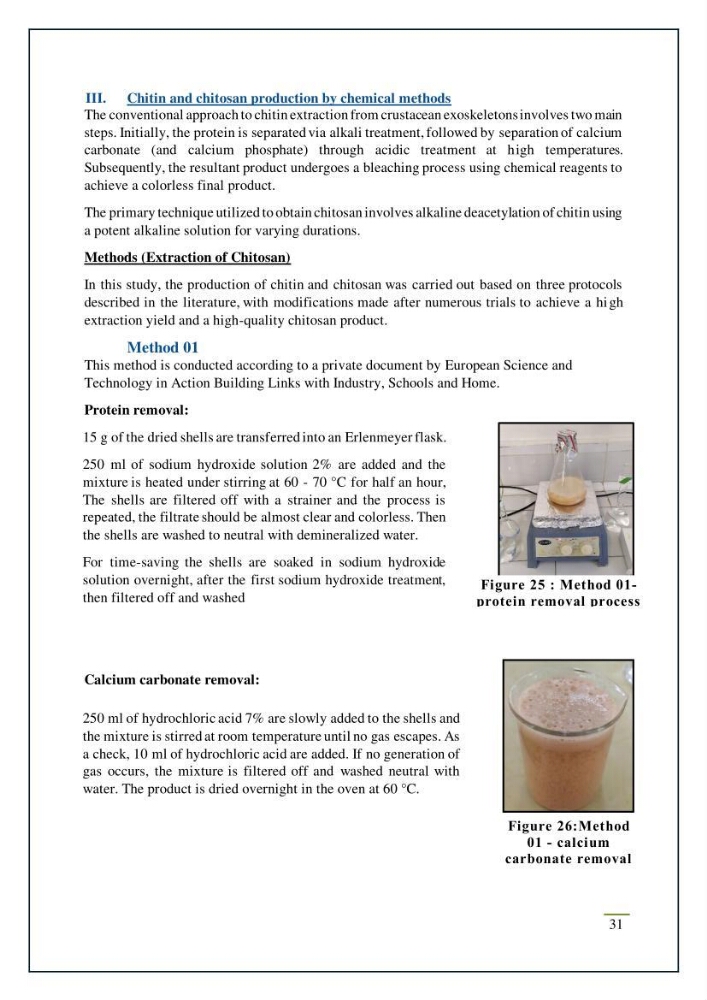
Figure 25 : Method 01protein removal process
15 g of the dried shells are transferred into an Erlenmeyer flask.
250 ml of sodium hydroxide solution 2% are added and the
mixture is heated under stirring at 60 - 70 °C for half an hour,
The shells are filtered off with a strainer and the process is
repeated, the filtrate should be almost clear and colorless. Then
the shells are washed to neutral with demineralized water.
For time-saving the shells are soaked in sodium hydroxide
solution overnight, after the first sodium hydroxide treatment,
then filtered off and washed
250 ml of hydrochloric acid 7% are slowly added to the shells and
the mixture is stirred at room temperature until no gas escapes. As
a check, 10 ml of hydrochloric acid are added. If no generation of
gas occurs, the mixture is filtered off and washed neutral with
water. The product is dried overnight in the oven at 60 °C.
Figure 26:Method
01 - calcium
carbonate removal
III. Chitin and chitosan production by chemical methods
The conventional approach to chitin extraction from crustacean exoskeletons involves two main
steps. Initially, the protein is separated via alkali treatment, followed by separation of calcium
carbonate (and calcium phosphate) through acidic treatment at high temperatures.
Subsequently, the resultant product undergoes a bleaching process using chemical reagents to
achieve a colorless final product.
The primary technique utilized to obtain chitosan involves alkaline deacetylation of chitin using
a potent alkaline solution for varying durations.
Methods (Extraction of Chitosan)
In this study, the production of chitin and chitosan was carried out based on three protocols
described in the literature, with modifications made after numerous trials to achieve a hi gh
extraction yield and a high-quality chitosan product.
Method 01
This method is conducted according to a private document by European Science and
Technology in Action Building Links with Industry, Schools and Home.
Protein removal:
Calcium carbonate removal:
Calcium carbonate removal:
Figure 25 : Method 01protein removal process
15 g of the dried shells are transferred into an Erlenmeyer flask.
250 ml of sodium hydroxide solution 2% are added and the
mixture is heated under stirring at 60 - 70 °C for half an hour,
The shells are filtered off with a strainer and the process is
repeated, the filtrate should be almost clear and colorless. Then
the shells are washed to neutral with demineralized water.
For time-saving the shells are soaked in sodium hydroxide
solution overnight, after the first sodium hydroxide treatment,
then filtered off and washed
250 ml of hydrochloric acid 7% are slowly added to the shells and
the mixture is stirred at room temperature until no gas escapes. As
a check, 10 ml of hydrochloric acid are added. If no generation of
gas occurs, the mixture is filtered off and washed neutral with
water. The product is dried overnight in the oven at 60 °C.
Figure 26:Method
01 - calcium
carbonate removal