

reported for specific enantiomers, an enantiomeric risk assessment is the way to
obtain a more accurate and real evaluations. An achiral approach is able to only
partially assess the potential adverse effects of pyrethroids in biological systems.
Chiral approach is not the commonly used in published works. However, for future
studies our recommendation would be to adopt a chiral approach in order to obtain
more realistic and concise results.
2 Analytical Approaches
The continuous progress in analytical techniques has improved the capability
of detecting chemicals and recognizing new substances and extended the list of
detectable contaminants widespread in all environmental compartments by human
activities. In the case of pyrethroid insecticides, these advances have been
very useful for the detection of different pyrethroids in various matrices, both
environmental and biological. However, analytical challenges include not only
the analysis of pyrethroids, but also the determination of their metabolites in
biological samples, as this gives important information about human exposure
to these pollutants.
Chapter “Analytical Methods for Determining Pyrethroid Insecticides in Environmental and Food Matrices” compiles the different analytical approaches for the
determination and quantification of pyrethroid insecticides in various matrices under
study. Sample preparation procedure plays a fundamental role in developing
TOXICOLOGICAL IMPACTS
Biochemical toxicity
Developmental toxicity
Endocrine disruption
Hematological toxicity
Histopathological toxicity
Molecular toxicity
Neurotoxicity
Oxidative Stress/Damage
Physiological toxicity
Reproductive toxicity
ENANTIOSELECTIVE EFFECTS
ENVIRONMENTAL FATE
Water, Soil-Sediment, Air
Microbial degradation
Photo-degradation
Volatilization
Hydrolysis
PYRETHROID
INSECTICIDES
BIOTRANSFORMATION
Fish
No hydrolase
Oxidative reaction (Cytochrome P450s)
Mammals
Hydrolytic reaction
Oxidative reaction (Cytochrome P450s)
BIOACCUMULATION
MATERNAL TRANSFER
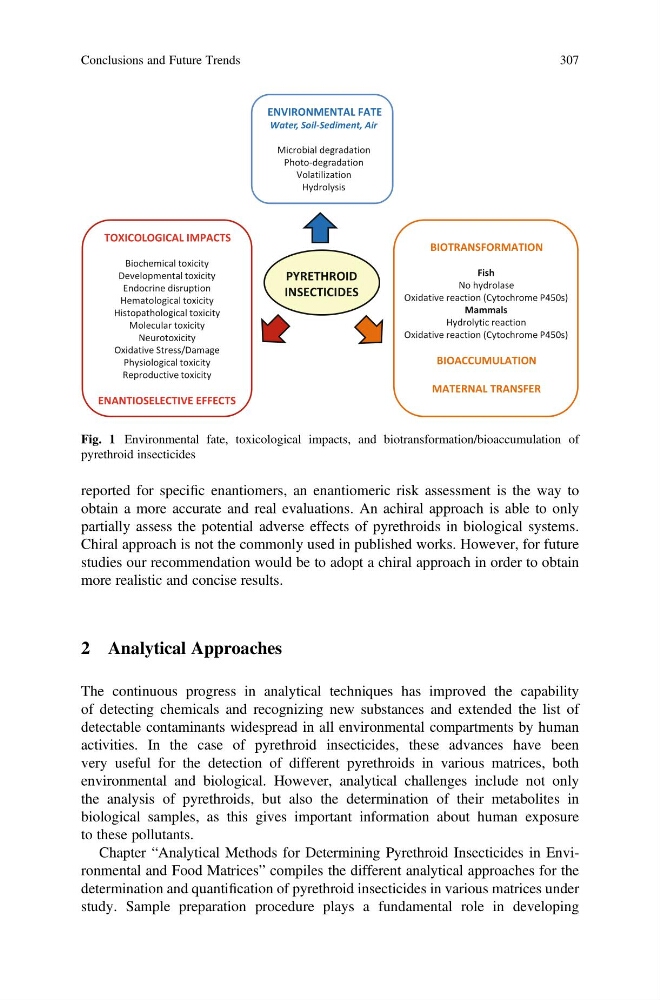
Fig. 1 Environmental fate, toxicological impacts, and biotransformation/bioaccumulation of
pyrethroid insecticides
Conclusions and Future Trends
307
obtain a more accurate and real evaluations. An achiral approach is able to only
partially assess the potential adverse effects of pyrethroids in biological systems.
Chiral approach is not the commonly used in published works. However, for future
studies our recommendation would be to adopt a chiral approach in order to obtain
more realistic and concise results.
2 Analytical Approaches
The continuous progress in analytical techniques has improved the capability
of detecting chemicals and recognizing new substances and extended the list of
detectable contaminants widespread in all environmental compartments by human
activities. In the case of pyrethroid insecticides, these advances have been
very useful for the detection of different pyrethroids in various matrices, both
environmental and biological. However, analytical challenges include not only
the analysis of pyrethroids, but also the determination of their metabolites in
biological samples, as this gives important information about human exposure
to these pollutants.
Chapter “Analytical Methods for Determining Pyrethroid Insecticides in Environmental and Food Matrices” compiles the different analytical approaches for the
determination and quantification of pyrethroid insecticides in various matrices under
study. Sample preparation procedure plays a fundamental role in developing
TOXICOLOGICAL IMPACTS
Biochemical toxicity
Developmental toxicity
Endocrine disruption
Hematological toxicity
Histopathological toxicity
Molecular toxicity
Neurotoxicity
Oxidative Stress/Damage
Physiological toxicity
Reproductive toxicity
ENANTIOSELECTIVE EFFECTS
ENVIRONMENTAL FATE
Water, Soil-Sediment, Air
Microbial degradation
Photo-degradation
Volatilization
Hydrolysis
PYRETHROID
INSECTICIDES
BIOTRANSFORMATION
Fish
No hydrolase
Oxidative reaction (Cytochrome P450s)
Mammals
Hydrolytic reaction
Oxidative reaction (Cytochrome P450s)
BIOACCUMULATION
MATERNAL TRANSFER
Fig. 1 Environmental fate, toxicological impacts, and biotransformation/bioaccumulation of
pyrethroid insecticides
Conclusions and Future Trends
307