

Influence of Climate Changes on Animal Feed Production …
453
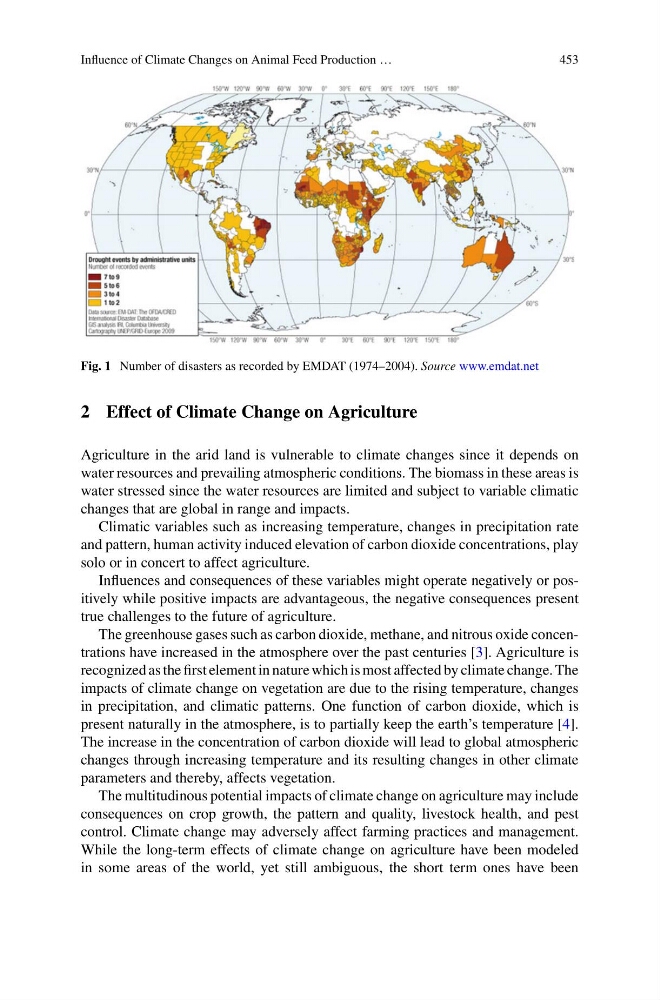
Fig. 1 Number of disasters as recorded by EMDAT (1974–2004). Source www.emdat.net
2 Effect of Climate Change on Agriculture
Agriculture in the arid land is vulnerable to climate changes since it depends on
water resources and prevailing atmospheric conditions. The biomass in these areas is
water stressed since the water resources are limited and subject to variable climatic
changes that are global in range and impacts.
Climatic variables such as increasing temperature, changes in precipitation rate
and pattern, human activity induced elevation of carbon dioxide concentrations, play
solo or in concert to affect agriculture.
Influences and consequences of these variables might operate negatively or positively while positive impacts are advantageous, the negative consequences present
true challenges to the future of agriculture.
The greenhouse gases such as carbon dioxide, methane, and nitrous oxide concentrations have increased in the atmosphere over the past centuries [3]. Agriculture is
recognized as the first element in nature which is most affected by climate change. The
impacts of climate change on vegetation are due to the rising temperature, changes
in precipitation, and climatic patterns. One function of carbon dioxide, which is
present naturally in the atmosphere, is to partially keep the earth’s temperature [4].
The increase in the concentration of carbon dioxide will lead to global atmospheric
changes through increasing temperature and its resulting changes in other climate
parameters and thereby, affects vegetation.
The multitudinous potential impacts of climate change on agriculture may include
consequences on crop growth, the pattern and quality, livestock health, and pest
control. Climate change may adversely affect farming practices and management.
While the long-term effects of climate change on agriculture have been modeled
in some areas of the world, yet still ambiguous, the short term ones have been
453
Fig. 1 Number of disasters as recorded by EMDAT (1974–2004). Source www.emdat.net
2 Effect of Climate Change on Agriculture
Agriculture in the arid land is vulnerable to climate changes since it depends on
water resources and prevailing atmospheric conditions. The biomass in these areas is
water stressed since the water resources are limited and subject to variable climatic
changes that are global in range and impacts.
Climatic variables such as increasing temperature, changes in precipitation rate
and pattern, human activity induced elevation of carbon dioxide concentrations, play
solo or in concert to affect agriculture.
Influences and consequences of these variables might operate negatively or positively while positive impacts are advantageous, the negative consequences present
true challenges to the future of agriculture.
The greenhouse gases such as carbon dioxide, methane, and nitrous oxide concentrations have increased in the atmosphere over the past centuries [3]. Agriculture is
recognized as the first element in nature which is most affected by climate change. The
impacts of climate change on vegetation are due to the rising temperature, changes
in precipitation, and climatic patterns. One function of carbon dioxide, which is
present naturally in the atmosphere, is to partially keep the earth’s temperature [4].
The increase in the concentration of carbon dioxide will lead to global atmospheric
changes through increasing temperature and its resulting changes in other climate
parameters and thereby, affects vegetation.
The multitudinous potential impacts of climate change on agriculture may include
consequences on crop growth, the pattern and quality, livestock health, and pest
control. Climate change may adversely affect farming practices and management.
While the long-term effects of climate change on agriculture have been modeled
in some areas of the world, yet still ambiguous, the short term ones have been