

356
E. M. Koriesh and I. H. Abo-Soud
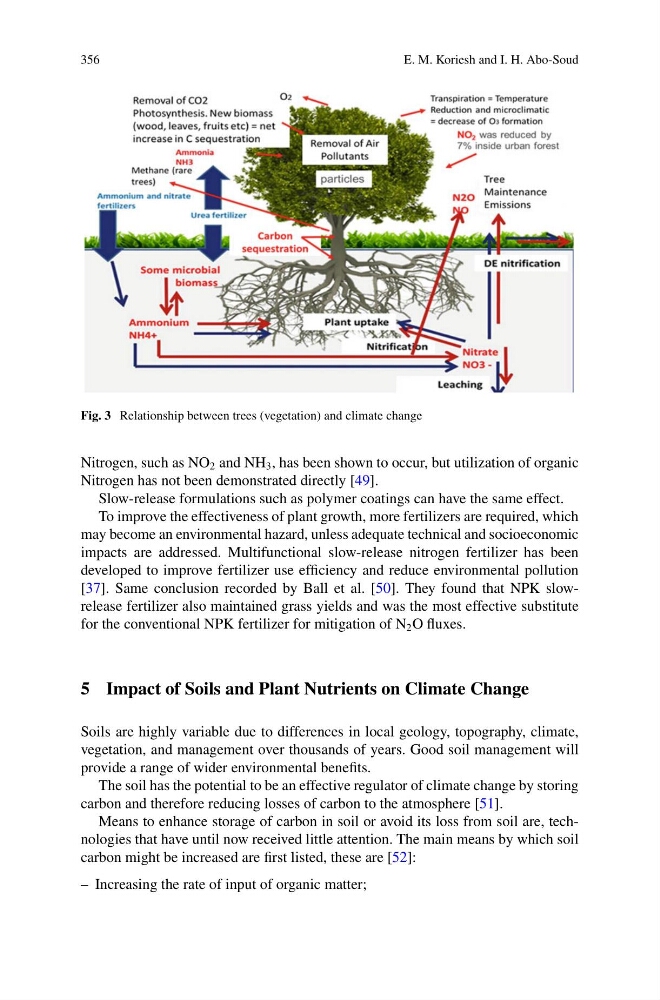
Fig. 3 Relationship between trees (vegetation) and climate change
Nitrogen, such as NO 2 and NH 3 , has been shown to occur, but utilization of organic
Nitrogen has not been demonstrated directly [49].
Slow-release formulations such as polymer coatings can have the same effect.
To improve the effectiveness of plant growth, more fertilizers are required, which
may become an environmental hazard, unless adequate technical and socioeconomic
impacts are addressed. Multifunctional slow-release nitrogen fertilizer has been
developed to improve fertilizer use efficiency and reduce environmental pollution
[37]. Same conclusion recorded by Ball et al. [50]. They found that NPK slowrelease fertilizer also maintained grass yields and was the most effective substitute
for the conventional NPK fertilizer for mitigation of N 2 O fluxes.
5 Impact of Soils and Plant Nutrients on Climate Change
Soils are highly variable due to differences in local geology, topography, climate,
vegetation, and management over thousands of years. Good soil management will
provide a range of wider environmental benefits.
The soil has the potential to be an effective regulator of climate change by storing
carbon and therefore reducing losses of carbon to the atmosphere [51].
Means to enhance storage of carbon in soil or avoid its loss from soil are, technologies that have until now received little attention. The main means by which soil
carbon might be increased are first listed, these are [52]:
– Increasing the rate of input of organic matter;
E. M. Koriesh and I. H. Abo-Soud
Fig. 3 Relationship between trees (vegetation) and climate change
Nitrogen, such as NO 2 and NH 3 , has been shown to occur, but utilization of organic
Nitrogen has not been demonstrated directly [49].
Slow-release formulations such as polymer coatings can have the same effect.
To improve the effectiveness of plant growth, more fertilizers are required, which
may become an environmental hazard, unless adequate technical and socioeconomic
impacts are addressed. Multifunctional slow-release nitrogen fertilizer has been
developed to improve fertilizer use efficiency and reduce environmental pollution
[37]. Same conclusion recorded by Ball et al. [50]. They found that NPK slowrelease fertilizer also maintained grass yields and was the most effective substitute
for the conventional NPK fertilizer for mitigation of N 2 O fluxes.
5 Impact of Soils and Plant Nutrients on Climate Change
Soils are highly variable due to differences in local geology, topography, climate,
vegetation, and management over thousands of years. Good soil management will
provide a range of wider environmental benefits.
The soil has the potential to be an effective regulator of climate change by storing
carbon and therefore reducing losses of carbon to the atmosphere [51].
Means to enhance storage of carbon in soil or avoid its loss from soil are, technologies that have until now received little attention. The main means by which soil
carbon might be increased are first listed, these are [52]:
– Increasing the rate of input of organic matter;