

Vulnerability of Crop Pollination Ecosystem Services to Climate …
233
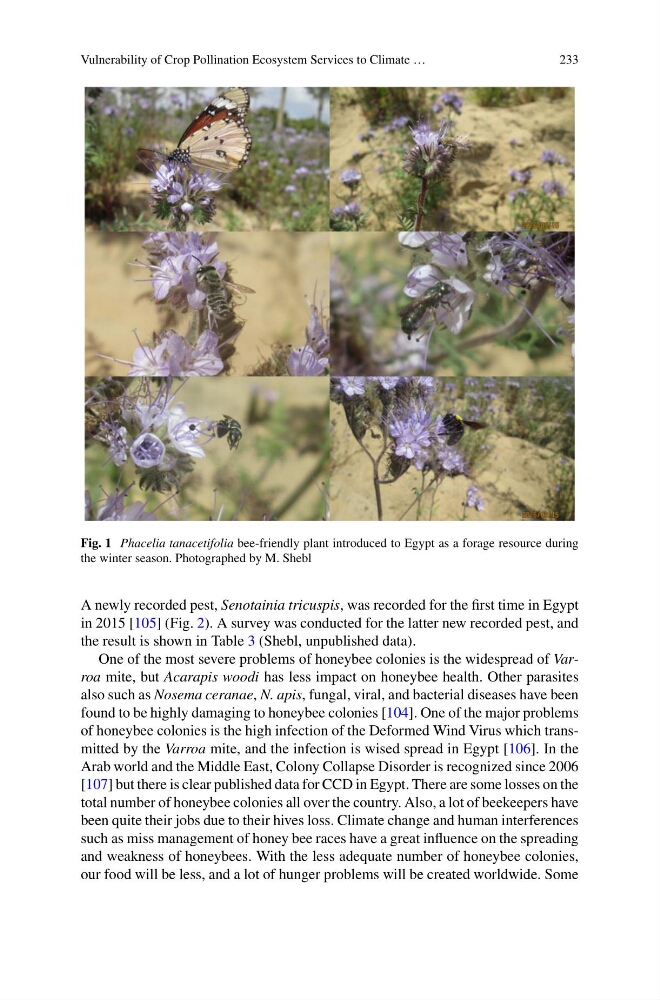
Fig. 1 Phacelia tanacetifolia bee-friendly plant introduced to Egypt as a forage resource during
the winter season. Photographed by M. Shebl
A newly recorded pest, Senotainia tricuspis, was recorded for the first time in Egypt
in 2015 [105] (Fig. 2). A survey was conducted for the latter new recorded pest, and
the result is shown in Table 3 (Shebl, unpublished data).
One of the most severe problems of honeybee colonies is the widespread of Varroa mite, but Acarapis woodi has less impact on honeybee health. Other parasites
also such as Nosema ceranae, N. apis, fungal, viral, and bacterial diseases have been
found to be highly damaging to honeybee colonies [104]. One of the major problems
of honeybee colonies is the high infection of the Deformed Wind Virus which transmitted by the Varroa mite, and the infection is wised spread in Egypt [106]. In the
Arab world and the Middle East, Colony Collapse Disorder is recognized since 2006
[107] but there is clear published data for CCD in Egypt. There are some losses on the
total number of honeybee colonies all over the country. Also, a lot of beekeepers have
been quite their jobs due to their hives loss. Climate change and human interferences
such as miss management of honey bee races have a great influence on the spreading
and weakness of honeybees. With the less adequate number of honeybee colonies,
our food will be less, and a lot of hunger problems will be created worldwide. Some
233
Fig. 1 Phacelia tanacetifolia bee-friendly plant introduced to Egypt as a forage resource during
the winter season. Photographed by M. Shebl
A newly recorded pest, Senotainia tricuspis, was recorded for the first time in Egypt
in 2015 [105] (Fig. 2). A survey was conducted for the latter new recorded pest, and
the result is shown in Table 3 (Shebl, unpublished data).
One of the most severe problems of honeybee colonies is the widespread of Varroa mite, but Acarapis woodi has less impact on honeybee health. Other parasites
also such as Nosema ceranae, N. apis, fungal, viral, and bacterial diseases have been
found to be highly damaging to honeybee colonies [104]. One of the major problems
of honeybee colonies is the high infection of the Deformed Wind Virus which transmitted by the Varroa mite, and the infection is wised spread in Egypt [106]. In the
Arab world and the Middle East, Colony Collapse Disorder is recognized since 2006
[107] but there is clear published data for CCD in Egypt. There are some losses on the
total number of honeybee colonies all over the country. Also, a lot of beekeepers have
been quite their jobs due to their hives loss. Climate change and human interferences
such as miss management of honey bee races have a great influence on the spreading
and weakness of honeybees. With the less adequate number of honeybee colonies,
our food will be less, and a lot of hunger problems will be created worldwide. Some