

230
M. A. M. Osman and M. A. Shebl
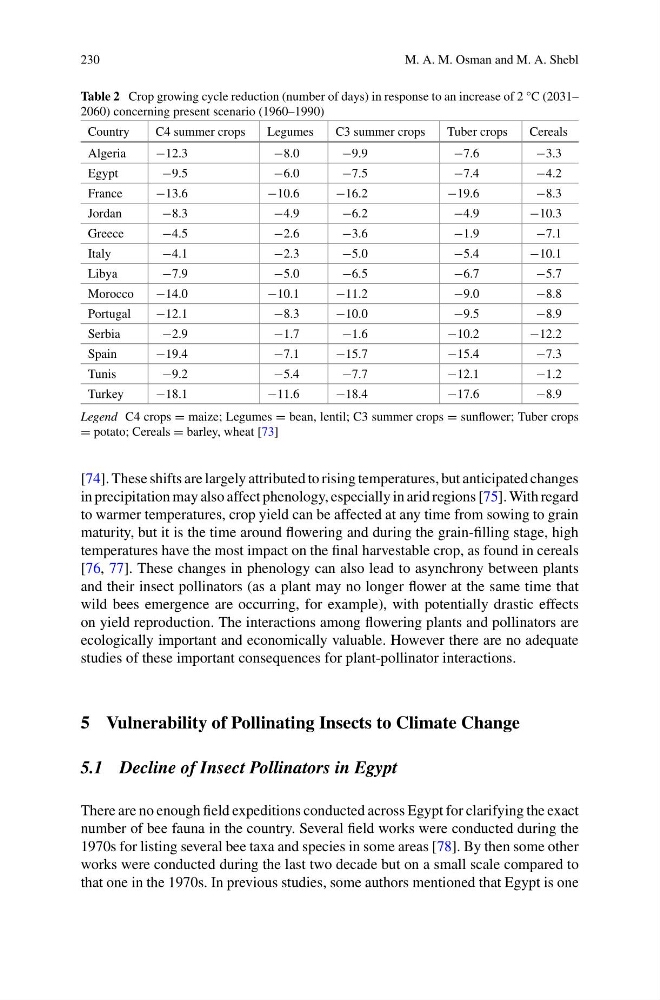
Table 2 Crop growing cycle reduction (number of days) in response to an increase of 2 °C (2031–
2060) concerning present scenario (1960–1990)
Country
C4 summer crops
Legumes
C3 summer crops
Tuber crops
Cereals
Algeria
−12.3
−8.0
−9.9
−7.6
−3.3
Egypt
−9.5
−6.0
−7.5
−7.4
−4.2
France
−13.6
−10.6
−16.2
−19.6
−8.3
Jordan
−8.3
−4.9
−6.2
−4.9
−10.3
Greece
−4.5
−2.6
−3.6
−1.9
−7.1
Italy
−4.1
−2.3
−5.0
−5.4
−10.1
Libya
−7.9
−5.0
−6.5
−6.7
−5.7
Morocco
−14.0
−10.1
−11.2
−9.0
−8.8
Portugal
−12.1
−8.3
−10.0
−9.5
−8.9
Serbia
−2.9
−1.7
−1.6
−10.2
−12.2
Spain
−19.4
−7.1
−15.7
−15.4
−7.3
Tunis
−9.2
−5.4
−7.7
−12.1
−1.2
Turkey
−18.1
−11.6
−18.4
−17.6
−8.9
Legend C4 crops = maize; Legumes = bean, lentil; C3 summer crops = sunflower; Tuber crops
= potato; Cereals = barley, wheat [73]
[74]. These shifts are largely attributed to rising temperatures, but anticipated changes
in precipitation may also affect phenology, especially in arid regions [75]. With regard
to warmer temperatures, crop yield can be affected at any time from sowing to grain
maturity, but it is the time around flowering and during the grain-filling stage, high
temperatures have the most impact on the final harvestable crop, as found in cereals
[76, 77]. These changes in phenology can also lead to asynchrony between plants
and their insect pollinators (as a plant may no longer flower at the same time that
wild bees emergence are occurring, for example), with potentially drastic effects
on yield reproduction. The interactions among flowering plants and pollinators are
ecologically important and economically valuable. However there are no adequate
studies of these important consequences for plant-pollinator interactions.
5 Vulnerability of Pollinating Insects to Climate Change
5.1 Decline of Insect Pollinators in Egypt
There are no enough field expeditions conducted across Egypt for clarifying the exact
number of bee fauna in the country. Several field works were conducted during the
1970s for listing several bee taxa and species in some areas [78]. By then some other
works were conducted during the last two decade but on a small scale compared to
that one in the 1970s. In previous studies, some authors mentioned that Egypt is one
M. A. M. Osman and M. A. Shebl
Table 2 Crop growing cycle reduction (number of days) in response to an increase of 2 °C (2031–
2060) concerning present scenario (1960–1990)
Country
C4 summer crops
Legumes
C3 summer crops
Tuber crops
Cereals
Algeria
−12.3
−8.0
−9.9
−7.6
−3.3
Egypt
−9.5
−6.0
−7.5
−7.4
−4.2
France
−13.6
−10.6
−16.2
−19.6
−8.3
Jordan
−8.3
−4.9
−6.2
−4.9
−10.3
Greece
−4.5
−2.6
−3.6
−1.9
−7.1
Italy
−4.1
−2.3
−5.0
−5.4
−10.1
Libya
−7.9
−5.0
−6.5
−6.7
−5.7
Morocco
−14.0
−10.1
−11.2
−9.0
−8.8
Portugal
−12.1
−8.3
−10.0
−9.5
−8.9
Serbia
−2.9
−1.7
−1.6
−10.2
−12.2
Spain
−19.4
−7.1
−15.7
−15.4
−7.3
Tunis
−9.2
−5.4
−7.7
−12.1
−1.2
Turkey
−18.1
−11.6
−18.4
−17.6
−8.9
Legend C4 crops = maize; Legumes = bean, lentil; C3 summer crops = sunflower; Tuber crops
= potato; Cereals = barley, wheat [73]
[74]. These shifts are largely attributed to rising temperatures, but anticipated changes
in precipitation may also affect phenology, especially in arid regions [75]. With regard
to warmer temperatures, crop yield can be affected at any time from sowing to grain
maturity, but it is the time around flowering and during the grain-filling stage, high
temperatures have the most impact on the final harvestable crop, as found in cereals
[76, 77]. These changes in phenology can also lead to asynchrony between plants
and their insect pollinators (as a plant may no longer flower at the same time that
wild bees emergence are occurring, for example), with potentially drastic effects
on yield reproduction. The interactions among flowering plants and pollinators are
ecologically important and economically valuable. However there are no adequate
studies of these important consequences for plant-pollinator interactions.
5 Vulnerability of Pollinating Insects to Climate Change
5.1 Decline of Insect Pollinators in Egypt
There are no enough field expeditions conducted across Egypt for clarifying the exact
number of bee fauna in the country. Several field works were conducted during the
1970s for listing several bee taxa and species in some areas [78]. By then some other
works were conducted during the last two decade but on a small scale compared to
that one in the 1970s. In previous studies, some authors mentioned that Egypt is one