

78
2 Basic Components
after a sudden expansion. The recovery after a bend is similar. With a bend
of 90° and r/d = 2, the bend loss coefficient amounts to 0.16. About half of
the loss occurs in the bend itself and about half is due to homogenisation
after the bend.
At the inlet of a centrifugal machine, the losses due to homogenisation are not
assigned to the inlet, as the inlet is not followed by a duct in which homogenisation
could occur. So, the order of magnitude of the loss coefficient due to the bend is
about 0.1, but the inhomogeneous inlet flow of the rotor reduces its efficiency. In
the same way, homogenisation loss downstream of the rotor is not assigned to the
rotor. A mixing space may occur after the rotor. Mixing losses are calculated for this
space. If there is a diffuser immediately downstream of the rotor, its efficiency is
impaired due to the inhomogeneous flow. The effect of inhomogeneous inflow with
a diffuser will be discussed in the next section.
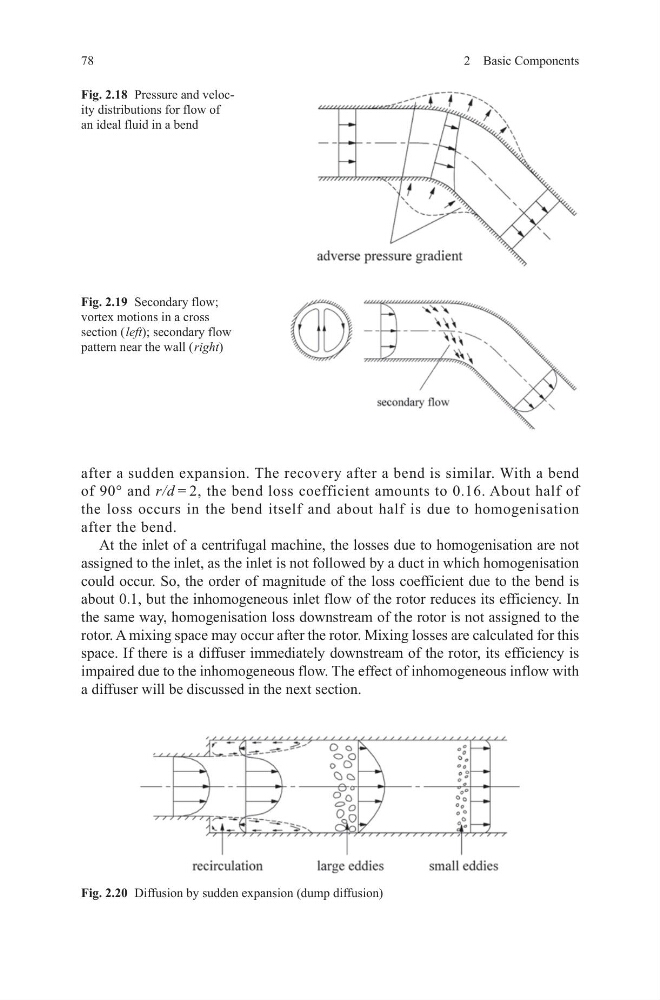
Fig. 2.20 Diffusion by sudden expansion (dump diffusion)
Fig. 2.19 Secondary flow;
vortex motions in a cross
section ( left); secondary flow
pattern near the wall ( right)
Fig. 2.18 Pressure and velocity distributions for flow of
an ideal fluid in a bend
2 Basic Components
after a sudden expansion. The recovery after a bend is similar. With a bend
of 90° and r/d = 2, the bend loss coefficient amounts to 0.16. About half of
the loss occurs in the bend itself and about half is due to homogenisation
after the bend.
At the inlet of a centrifugal machine, the losses due to homogenisation are not
assigned to the inlet, as the inlet is not followed by a duct in which homogenisation
could occur. So, the order of magnitude of the loss coefficient due to the bend is
about 0.1, but the inhomogeneous inlet flow of the rotor reduces its efficiency. In
the same way, homogenisation loss downstream of the rotor is not assigned to the
rotor. A mixing space may occur after the rotor. Mixing losses are calculated for this
space. If there is a diffuser immediately downstream of the rotor, its efficiency is
impaired due to the inhomogeneous flow. The effect of inhomogeneous inflow with
a diffuser will be discussed in the next section.
Fig. 2.20 Diffusion by sudden expansion (dump diffusion)
Fig. 2.19 Secondary flow;
vortex motions in a cross
section ( left); secondary flow
pattern near the wall ( right)
Fig. 2.18 Pressure and velocity distributions for flow of
an ideal fluid in a bend