

Biodiversity and Conservation: India’s Panoramic View
319
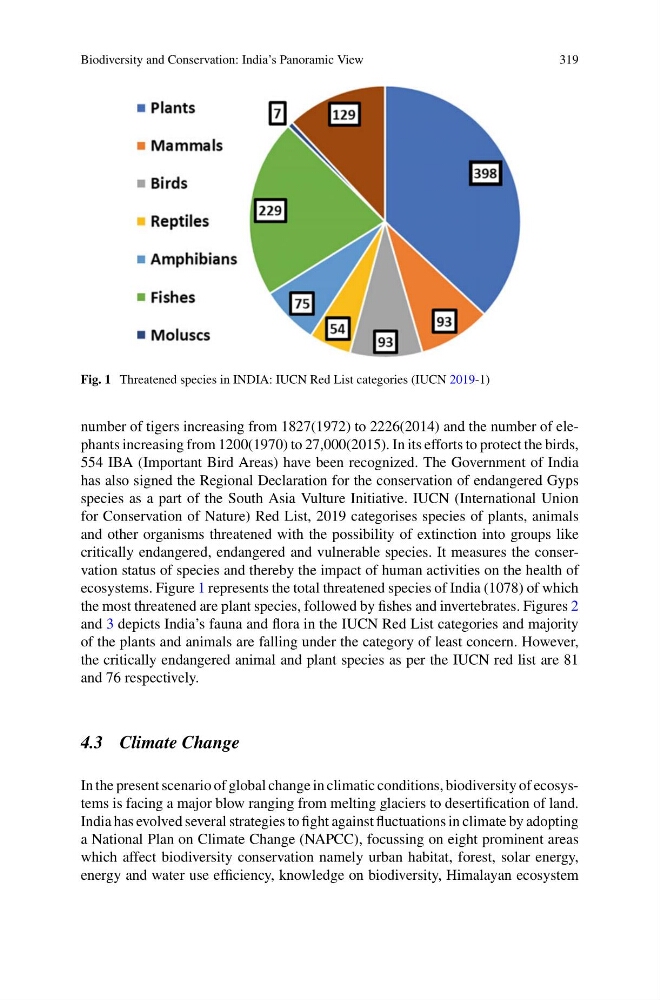
Fig. 1 Threatened species in INDIA: IUCN Red List categories (IUCN 2019-1)
number of tigers increasing from 1827(1972) to 2226(2014) and the number of elephants increasing from 1200(1970) to 27,000(2015). In its efforts to protect the birds,
554 IBA (Important Bird Areas) have been recognized. The Government of India
has also signed the Regional Declaration for the conservation of endangered Gyps
species as a part of the South Asia Vulture Initiative. IUCN (International Union
for Conservation of Nature) Red List, 2019 categorises species of plants, animals
and other organisms threatened with the possibility of extinction into groups like
critically endangered, endangered and vulnerable species. It measures the conservation status of species and thereby the impact of human activities on the health of
ecosystems. Figure 1 represents the total threatened species of India (1078) of which
the most threatened are plant species, followed by fishes and invertebrates. Figures 2
and 3 depicts India’s fauna and flora in the IUCN Red List categories and majority
of the plants and animals are falling under the category of least concern. However,
the critically endangered animal and plant species as per the IUCN red list are 81
and 76 respectively.
4.3 Climate Change
In the present scenario of global change in climatic conditions, biodiversity of ecosystems is facing a major blow ranging from melting glaciers to desertification of land.
India has evolved several strategies to fight against fluctuations in climate by adopting
a National Plan on Climate Change (NAPCC), focussing on eight prominent areas
which affect biodiversity conservation namely urban habitat, forest, solar energy,
energy and water use efficiency, knowledge on biodiversity, Himalayan ecosystem
319
Fig. 1 Threatened species in INDIA: IUCN Red List categories (IUCN 2019-1)
number of tigers increasing from 1827(1972) to 2226(2014) and the number of elephants increasing from 1200(1970) to 27,000(2015). In its efforts to protect the birds,
554 IBA (Important Bird Areas) have been recognized. The Government of India
has also signed the Regional Declaration for the conservation of endangered Gyps
species as a part of the South Asia Vulture Initiative. IUCN (International Union
for Conservation of Nature) Red List, 2019 categorises species of plants, animals
and other organisms threatened with the possibility of extinction into groups like
critically endangered, endangered and vulnerable species. It measures the conservation status of species and thereby the impact of human activities on the health of
ecosystems. Figure 1 represents the total threatened species of India (1078) of which
the most threatened are plant species, followed by fishes and invertebrates. Figures 2
and 3 depicts India’s fauna and flora in the IUCN Red List categories and majority
of the plants and animals are falling under the category of least concern. However,
the critically endangered animal and plant species as per the IUCN red list are 81
and 76 respectively.
4.3 Climate Change
In the present scenario of global change in climatic conditions, biodiversity of ecosystems is facing a major blow ranging from melting glaciers to desertification of land.
India has evolved several strategies to fight against fluctuations in climate by adopting
a National Plan on Climate Change (NAPCC), focussing on eight prominent areas
which affect biodiversity conservation namely urban habitat, forest, solar energy,
energy and water use efficiency, knowledge on biodiversity, Himalayan ecosystem