

112
S. Deb
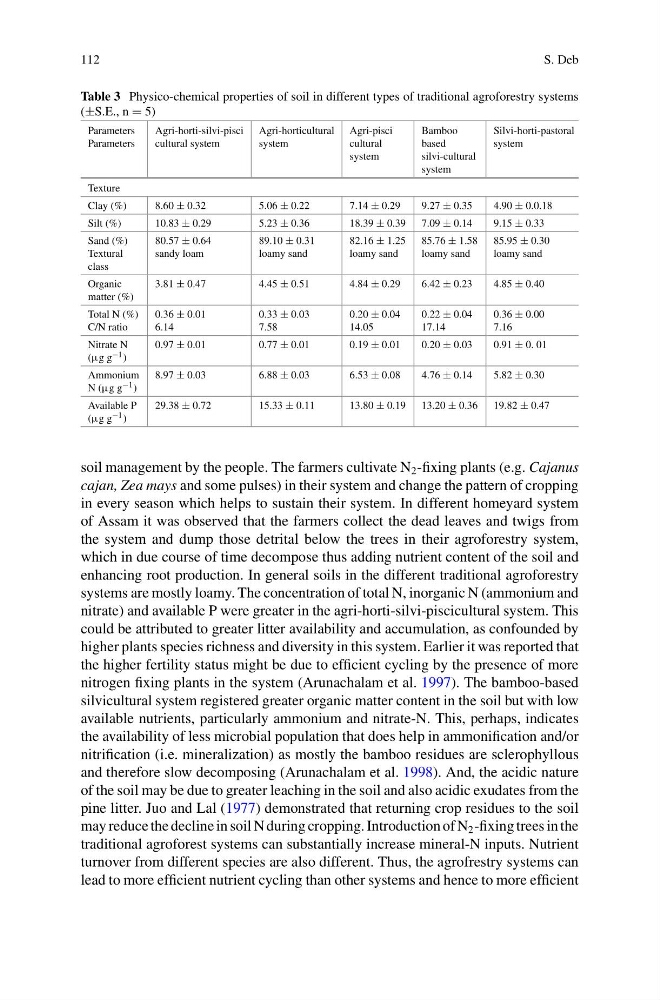
Table 3 Physico-chemical properties of soil in different types of traditional agroforestry systems
(±S.E., n = 5)
Parameters
Parameters
Agri-horti-silvi-pisci
cultural system
Agri-horticultural
system
Agri-pisci
cultural
system
Bamboo
based
silvi-cultural
system
Silvi-horti-pastoral
system
Texture
Clay (%)
8.60 ± 0.32
5.06 ± 0.22
7.14 ± 0.29
9.27 ± 0.35
4.90 ± 0.0.18
Silt (%)
10.83 ± 0.29
5.23 ± 0.36
18.39 ± 0.39 7.09 ± 0.14
9.15 ± 0.33
Sand (%)
Textural
class
80.57 ± 0.64
sandy loam
89.10 ± 0.31
loamy sand
82.16 ± 1.25
loamy sand
85.76 ± 1.58
loamy sand
85.95 ± 0.30
loamy sand
Organic
matter (%)
3.81 ± 0.47
4.45 ± 0.51
4.84 ± 0.29
6.42 ± 0.23
4.85 ± 0.40
Total N (%)
C/N ratio
0.36 ± 0.01
6.14
0.33 ± 0.03
7.58
0.20 ± 0.04
14.05
0.22 ± 0.04
17.14
0.36 ± 0.00
7.16
Nitrate N
(µg g −1 )
0.97 ± 0.01
0.77 ± 0.01
0.19 ± 0.01
0.20 ± 0.03
0.91 ± 0. 01
Ammonium
N (µg g −1 )
8.97 ± 0.03
6.88 ± 0.03
6.53 ± 0.08
4.76 ± 0.14
5.82 ± 0.30
Available P
(µg g −1 )
29.38 ± 0.72
15.33 ± 0.11
13.80 ± 0.19 13.20 ± 0.36 19.82 ± 0.47
soil management by the people. The farmers cultivate N 2 -fixing plants (e.g. Cajanus
cajan, Zea mays and some pulses) in their system and change the pattern of cropping
in every season which helps to sustain their system. In different homeyard system
of Assam it was observed that the farmers collect the dead leaves and twigs from
the system and dump those detrital below the trees in their agroforestry system,
which in due course of time decompose thus adding nutrient content of the soil and
enhancing root production. In general soils in the different traditional agroforestry
systems are mostly loamy. The concentration of total N, inorganic N (ammonium and
nitrate) and available P were greater in the agri-horti-silvi-piscicultural system. This
could be attributed to greater litter availability and accumulation, as confounded by
higher plants species richness and diversity in this system. Earlier it was reported that
the higher fertility status might be due to efficient cycling by the presence of more
nitrogen fixing plants in the system (Arunachalam et al. 1997). The bamboo-based
silvicultural system registered greater organic matter content in the soil but with low
available nutrients, particularly ammonium and nitrate-N. This, perhaps, indicates
the availability of less microbial population that does help in ammonification and/or
nitrification (i.e. mineralization) as mostly the bamboo residues are sclerophyllous
and therefore slow decomposing (Arunachalam et al. 1998). And, the acidic nature
of the soil may be due to greater leaching in the soil and also acidic exudates from the
pine litter. Juo and Lal (1977) demonstrated that returning crop residues to the soil
may reduce the decline in soil N during cropping. Introduction of N 2 -fixing trees in the
traditional agroforest systems can substantially increase mineral-N inputs. Nutrient
turnover from different species are also different. Thus, the agrofrestry systems can
lead to more efficient nutrient cycling than other systems and hence to more efficient
S. Deb
Table 3 Physico-chemical properties of soil in different types of traditional agroforestry systems
(±S.E., n = 5)
Parameters
Parameters
Agri-horti-silvi-pisci
cultural system
Agri-horticultural
system
Agri-pisci
cultural
system
Bamboo
based
silvi-cultural
system
Silvi-horti-pastoral
system
Texture
Clay (%)
8.60 ± 0.32
5.06 ± 0.22
7.14 ± 0.29
9.27 ± 0.35
4.90 ± 0.0.18
Silt (%)
10.83 ± 0.29
5.23 ± 0.36
18.39 ± 0.39 7.09 ± 0.14
9.15 ± 0.33
Sand (%)
Textural
class
80.57 ± 0.64
sandy loam
89.10 ± 0.31
loamy sand
82.16 ± 1.25
loamy sand
85.76 ± 1.58
loamy sand
85.95 ± 0.30
loamy sand
Organic
matter (%)
3.81 ± 0.47
4.45 ± 0.51
4.84 ± 0.29
6.42 ± 0.23
4.85 ± 0.40
Total N (%)
C/N ratio
0.36 ± 0.01
6.14
0.33 ± 0.03
7.58
0.20 ± 0.04
14.05
0.22 ± 0.04
17.14
0.36 ± 0.00
7.16
Nitrate N
(µg g −1 )
0.97 ± 0.01
0.77 ± 0.01
0.19 ± 0.01
0.20 ± 0.03
0.91 ± 0. 01
Ammonium
N (µg g −1 )
8.97 ± 0.03
6.88 ± 0.03
6.53 ± 0.08
4.76 ± 0.14
5.82 ± 0.30
Available P
(µg g −1 )
29.38 ± 0.72
15.33 ± 0.11
13.80 ± 0.19 13.20 ± 0.36 19.82 ± 0.47
soil management by the people. The farmers cultivate N 2 -fixing plants (e.g. Cajanus
cajan, Zea mays and some pulses) in their system and change the pattern of cropping
in every season which helps to sustain their system. In different homeyard system
of Assam it was observed that the farmers collect the dead leaves and twigs from
the system and dump those detrital below the trees in their agroforestry system,
which in due course of time decompose thus adding nutrient content of the soil and
enhancing root production. In general soils in the different traditional agroforestry
systems are mostly loamy. The concentration of total N, inorganic N (ammonium and
nitrate) and available P were greater in the agri-horti-silvi-piscicultural system. This
could be attributed to greater litter availability and accumulation, as confounded by
higher plants species richness and diversity in this system. Earlier it was reported that
the higher fertility status might be due to efficient cycling by the presence of more
nitrogen fixing plants in the system (Arunachalam et al. 1997). The bamboo-based
silvicultural system registered greater organic matter content in the soil but with low
available nutrients, particularly ammonium and nitrate-N. This, perhaps, indicates
the availability of less microbial population that does help in ammonification and/or
nitrification (i.e. mineralization) as mostly the bamboo residues are sclerophyllous
and therefore slow decomposing (Arunachalam et al. 1998). And, the acidic nature
of the soil may be due to greater leaching in the soil and also acidic exudates from the
pine litter. Juo and Lal (1977) demonstrated that returning crop residues to the soil
may reduce the decline in soil N during cropping. Introduction of N 2 -fixing trees in the
traditional agroforest systems can substantially increase mineral-N inputs. Nutrient
turnover from different species are also different. Thus, the agrofrestry systems can
lead to more efficient nutrient cycling than other systems and hence to more efficient