

72
Legal instruments and its implementation
(a) Urgent steps to reduce the fishing capacity, both in terms of number of fishing vessels and also restriction in the power of engines used, should be introduced. This step alone will make significant headway in the process of
making fish production cleaner and safer.
(b) The use of static fishing gears like traps, longlines and gillnets, which have
significantly lower emissions compared to active gears like trawls needs to
be promoted.
(c) Stipulations in the MFRAs to limit fishing to legal sizes and use of approved
and legal gears need to be encouraged. Strict Monitoring Control and
Surveillance (MCS) mechanisms to deter illegal fish capture in both state
and national jurisdictions are essential.
(d) Subsidies, if involved, should be linked to adoption and practice of responsible fishing gears as those stipulated in the MFRAs of the respective state.
Effective utilization of low value fish and by-products
(a) The environmental benefit of low-carbon fisheries could be realized, only if
a greater proportion of landings were directed to human consumption rather
than industrial uses. Therefore, development of effective strategies to reduce
losses during harvest and post-harvest are required.
(b) Wastage and bycatch will occur in small quantities in any responsible fishing
regime. These incidental catches should be processed and utilized for
improving value and thereby increasing the profits to the fishers.
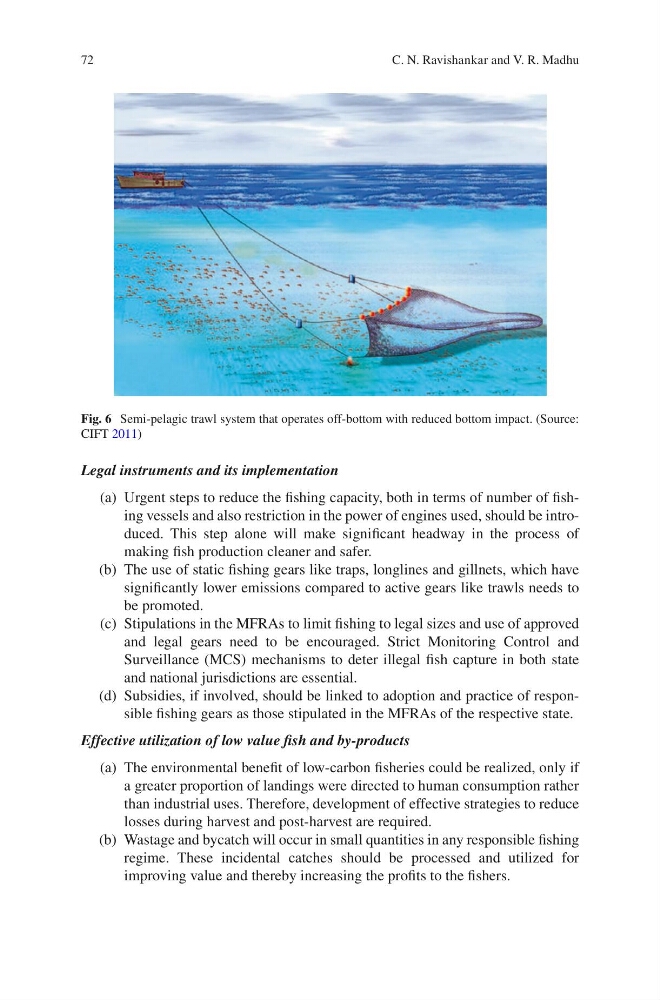
Fig. 6 Semi-pelagic trawl system that operates off-bottom with reduced bottom impact. (Source:
CIFT 2011)
C. N. Ravishankar and V. R. Madhu
Legal instruments and its implementation
(a) Urgent steps to reduce the fishing capacity, both in terms of number of fishing vessels and also restriction in the power of engines used, should be introduced. This step alone will make significant headway in the process of
making fish production cleaner and safer.
(b) The use of static fishing gears like traps, longlines and gillnets, which have
significantly lower emissions compared to active gears like trawls needs to
be promoted.
(c) Stipulations in the MFRAs to limit fishing to legal sizes and use of approved
and legal gears need to be encouraged. Strict Monitoring Control and
Surveillance (MCS) mechanisms to deter illegal fish capture in both state
and national jurisdictions are essential.
(d) Subsidies, if involved, should be linked to adoption and practice of responsible fishing gears as those stipulated in the MFRAs of the respective state.
Effective utilization of low value fish and by-products
(a) The environmental benefit of low-carbon fisheries could be realized, only if
a greater proportion of landings were directed to human consumption rather
than industrial uses. Therefore, development of effective strategies to reduce
losses during harvest and post-harvest are required.
(b) Wastage and bycatch will occur in small quantities in any responsible fishing
regime. These incidental catches should be processed and utilized for
improving value and thereby increasing the profits to the fishers.
Fig. 6 Semi-pelagic trawl system that operates off-bottom with reduced bottom impact. (Source:
CIFT 2011)
C. N. Ravishankar and V. R. Madhu