

available energy; Gibbs provided the general idea its concrete form, the notion of
the Gibbs free energy; finally, the formulation of the theory of exergy
transformed/united streams of heat-energy-related ideas into one general framework
completing a full circle. Energy and exergy are inseparable twins: one cannot talk
about energy intelligently without introducing the concept of exergy.
That energy is a subtle concept was already evident in the necessity of its
introduction in terms of five closely related steps/ideas in Table 3.1. Of the five
ideas, the most notable is Statement #5, Table 3.1, which is reproduced here
Energy can be neither created nor destroyed; only the form in which energy exists can be
transformed from one form into another.
The meaning of which, the part of the transformation of energy forms, can only be
understood in terms of the energy principle: one can place various forms of energy
according to their “grade” as determined by exergetic content
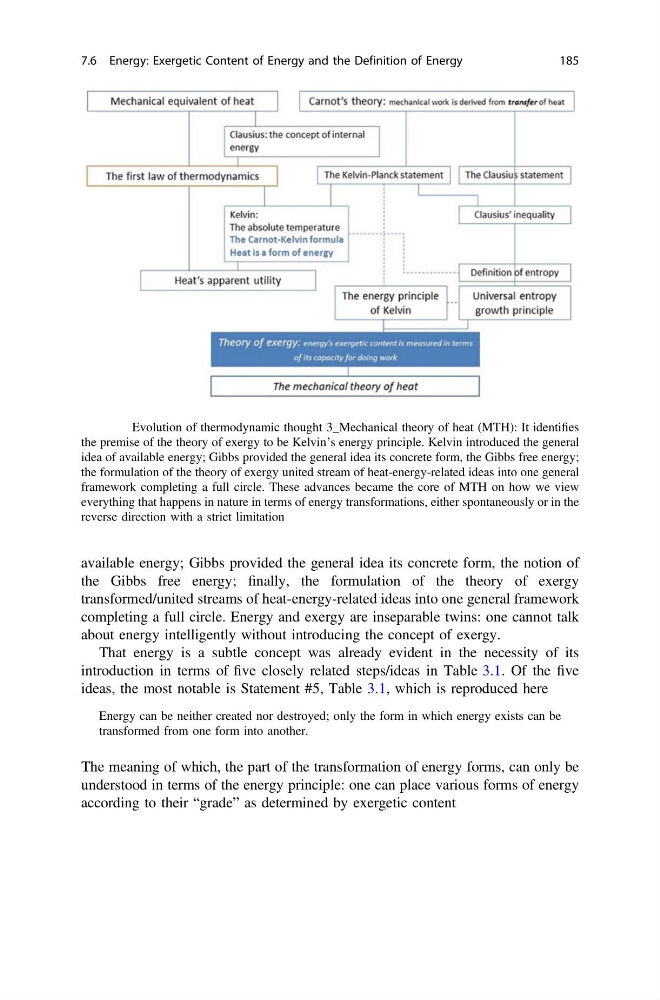
Fig. 7.1 Evolution of thermodynamic thought 3_Mechanical theory of heat (MTH): It identifies
the premise of the theory of exergy to be Kelvin’s energy principle. Kelvin introduced the general
idea of available energy; Gibbs provided the general idea its concrete form, the Gibbs free energy;
the formulation of the theory of exergy united stream of heat-energy-related ideas into one general
framework completing a full circle. These advances became the core of MTH on how we view
everything that happens in nature in terms of energy transformations, either spontaneously or in the
reverse direction with a strict limitation
7.6 Energy: Exergetic Content of Energy and the Definition of Energy
185
the Gibbs free energy; finally, the formulation of the theory of exergy
transformed/united streams of heat-energy-related ideas into one general framework
completing a full circle. Energy and exergy are inseparable twins: one cannot talk
about energy intelligently without introducing the concept of exergy.
That energy is a subtle concept was already evident in the necessity of its
introduction in terms of five closely related steps/ideas in Table 3.1. Of the five
ideas, the most notable is Statement #5, Table 3.1, which is reproduced here
Energy can be neither created nor destroyed; only the form in which energy exists can be
transformed from one form into another.
The meaning of which, the part of the transformation of energy forms, can only be
understood in terms of the energy principle: one can place various forms of energy
according to their “grade” as determined by exergetic content
Fig. 7.1 Evolution of thermodynamic thought 3_Mechanical theory of heat (MTH): It identifies
the premise of the theory of exergy to be Kelvin’s energy principle. Kelvin introduced the general
idea of available energy; Gibbs provided the general idea its concrete form, the Gibbs free energy;
the formulation of the theory of exergy united stream of heat-energy-related ideas into one general
framework completing a full circle. These advances became the core of MTH on how we view
everything that happens in nature in terms of energy transformations, either spontaneously or in the
reverse direction with a strict limitation
7.6 Energy: Exergetic Content of Energy and the Definition of Energy
185