

The establishment of the entropy principle signaled the beginning of a new era—
in which thermodynamics, which had been originated as a branch of engineering
knowledge, separated into two distinctive streams.
The engineering stream, one that originated from the source of heat and work
transformations, continued the course of its development. The central position of
universal interconvertibility in the MTH remained intact and engineering practice
was still based on the Carnot–Kelvin formula as a manifestation of heat’s apparent
utility. The contribution of the establishment of the entropy principle to the engineering stream was limited to the availability of properties of working fluids for
application in engineering systems analysis, while the long-term conceptual contribution derived from the entropy principle would not materialize fully until the
development of the theory of exergy (see Chap. 7).
A milestone in this chapter is the formulation of a definition of heat in Sect. 5.6
that reflects how physicists and engineers actually use the term heat. This is a partial
step toward our understanding of heat and energy, a definition of which will be
given only in Chap. 7. As well as the fact that it remains, in Chap. 8, to remove the
impossible burden universal interconvertibility placed on heat per se as a driving
force.
The real short-term, significant contribution the entropy principle brought about
was the creation of a new stream, the scientific stream. The establishment of the
entropy principle made it possible to develop a complete thermodynamic formalism
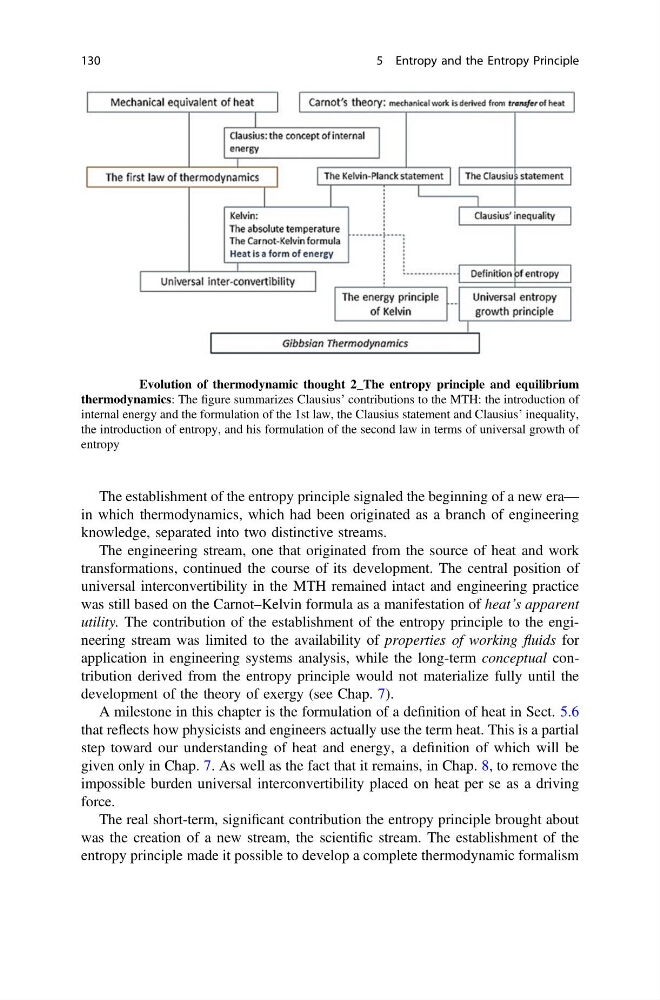
Fig. 5.11 Evolution of thermodynamic thought 2_The entropy principle and equilibrium
thermodynamics: The figure summarizes Clausius’ contributions to the MTH: the introduction of
internal energy and the formulation of the 1st law, the Clausius statement and Clausius’ inequality,
the introduction of entropy, and his formulation of the second law in terms of universal growth of
entropy
130
5 Entropy and the Entropy Principle
in which thermodynamics, which had been originated as a branch of engineering
knowledge, separated into two distinctive streams.
The engineering stream, one that originated from the source of heat and work
transformations, continued the course of its development. The central position of
universal interconvertibility in the MTH remained intact and engineering practice
was still based on the Carnot–Kelvin formula as a manifestation of heat’s apparent
utility. The contribution of the establishment of the entropy principle to the engineering stream was limited to the availability of properties of working fluids for
application in engineering systems analysis, while the long-term conceptual contribution derived from the entropy principle would not materialize fully until the
development of the theory of exergy (see Chap. 7).
A milestone in this chapter is the formulation of a definition of heat in Sect. 5.6
that reflects how physicists and engineers actually use the term heat. This is a partial
step toward our understanding of heat and energy, a definition of which will be
given only in Chap. 7. As well as the fact that it remains, in Chap. 8, to remove the
impossible burden universal interconvertibility placed on heat per se as a driving
force.
The real short-term, significant contribution the entropy principle brought about
was the creation of a new stream, the scientific stream. The establishment of the
entropy principle made it possible to develop a complete thermodynamic formalism
Fig. 5.11 Evolution of thermodynamic thought 2_The entropy principle and equilibrium
thermodynamics: The figure summarizes Clausius’ contributions to the MTH: the introduction of
internal energy and the formulation of the 1st law, the Clausius statement and Clausius’ inequality,
the introduction of entropy, and his formulation of the second law in terms of universal growth of
entropy
130
5 Entropy and the Entropy Principle