

36
P. Liu
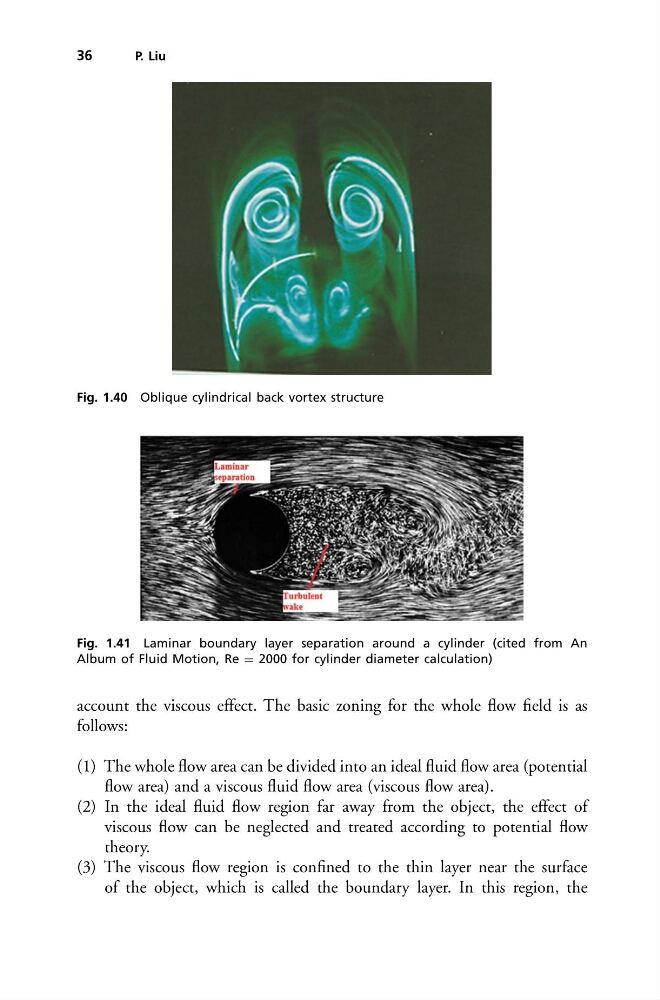
Fig. 1.40 Oblique cylindrical back vortex structure
Fig. 1.41 Laminar boundary layer separation around a cylinder (cited from An
Album of Fluid Motion, Re = 2000 for cylinder diameter calculation)
account the viscous effect. The basic zoning for the whole flow field is as
follows:
(1) The whole flow area can be divided into an ideal fluid flow area (potential
flow area) and a viscous fluid flow area (viscous flow area).
(2) In the ideal fluid flow region far away from the object, the effect of
viscous flow can be neglected and treated according to potential flow
theory.
(3) The viscous flow region is confined to the thin layer near the surface
of the object, which is called the boundary layer. In this region, the
P. Liu
Fig. 1.40 Oblique cylindrical back vortex structure
Fig. 1.41 Laminar boundary layer separation around a cylinder (cited from An
Album of Fluid Motion, Re = 2000 for cylinder diameter calculation)
account the viscous effect. The basic zoning for the whole flow field is as
follows:
(1) The whole flow area can be divided into an ideal fluid flow area (potential
flow area) and a viscous fluid flow area (viscous flow area).
(2) In the ideal fluid flow region far away from the object, the effect of
viscous flow can be neglected and treated according to potential flow
theory.
(3) The viscous flow region is confined to the thin layer near the surface
of the object, which is called the boundary layer. In this region, the