

412
P. Liu
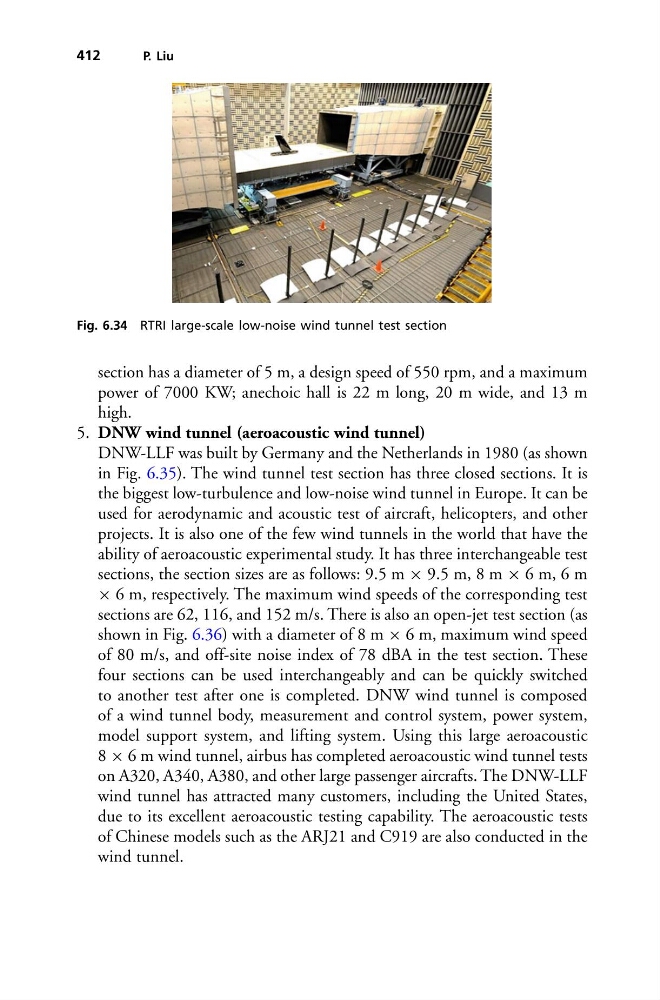
Fig. 6.34 RTRI large-scale low-noise wind tunnel test section
section has a diameter of 5 m, a design speed of 550 rpm, and a maximum
power of 7000 KW; anechoic hall is 22 m long, 20 m wide, and 13 m
high.
5. DNW wind tunnel (aeroacoustic wind tunnel)
DNW-LLF was built by Germany and the Netherlands in 1980 (as shown
in Fig. 6.35). The wind tunnel test section has three closed sections. It is
the biggest low-turbulence and low-noise wind tunnel in Europe. It can be
used for aerodynamic and acoustic test of aircraft, helicopters, and other
projects. It is also one of the few wind tunnels in the world that have the
ability of aeroacoustic experimental study. It has three interchangeable test
sections, the section sizes are as follows: 9.5 m × 9.5 m, 8 m × 6 m, 6 m
× 6 m, respectively. The maximum wind speeds of the corresponding test
sections are 62, 116, and 152 m/s. There is also an open-jet test section (as
shown in Fig. 6.36) with a diameter of 8 m × 6 m, maximum wind speed
of 80 m/s, and off-site noise index of 78 dBA in the test section. These
four sections can be used interchangeably and can be quickly switched
to another test after one is completed. DNW wind tunnel is composed
of a wind tunnel body, measurement and control system, power system,
model support system, and lifting system. Using this large aeroacoustic
8 × 6 m wind tunnel, airbus has completed aeroacoustic wind tunnel tests
on A320, A340, A380, and other large passenger aircrafts. The DNW-LLF
wind tunnel has attracted many customers, including the United States,
due to its excellent aeroacoustic testing capability. The aeroacoustic tests
of Chinese models such as the ARJ21 and C919 are also conducted in the
wind tunnel.
P. Liu
Fig. 6.34 RTRI large-scale low-noise wind tunnel test section
section has a diameter of 5 m, a design speed of 550 rpm, and a maximum
power of 7000 KW; anechoic hall is 22 m long, 20 m wide, and 13 m
high.
5. DNW wind tunnel (aeroacoustic wind tunnel)
DNW-LLF was built by Germany and the Netherlands in 1980 (as shown
in Fig. 6.35). The wind tunnel test section has three closed sections. It is
the biggest low-turbulence and low-noise wind tunnel in Europe. It can be
used for aerodynamic and acoustic test of aircraft, helicopters, and other
projects. It is also one of the few wind tunnels in the world that have the
ability of aeroacoustic experimental study. It has three interchangeable test
sections, the section sizes are as follows: 9.5 m × 9.5 m, 8 m × 6 m, 6 m
× 6 m, respectively. The maximum wind speeds of the corresponding test
sections are 62, 116, and 152 m/s. There is also an open-jet test section (as
shown in Fig. 6.36) with a diameter of 8 m × 6 m, maximum wind speed
of 80 m/s, and off-site noise index of 78 dBA in the test section. These
four sections can be used interchangeably and can be quickly switched
to another test after one is completed. DNW wind tunnel is composed
of a wind tunnel body, measurement and control system, power system,
model support system, and lifting system. Using this large aeroacoustic
8 × 6 m wind tunnel, airbus has completed aeroacoustic wind tunnel tests
on A320, A340, A380, and other large passenger aircrafts. The DNW-LLF
wind tunnel has attracted many customers, including the United States,
due to its excellent aeroacoustic testing capability. The aeroacoustic tests
of Chinese models such as the ARJ21 and C919 are also conducted in the
wind tunnel.