

334
P. Liu
Fig. 5.1 Blaise Pascal (1623–1662, French scientist)
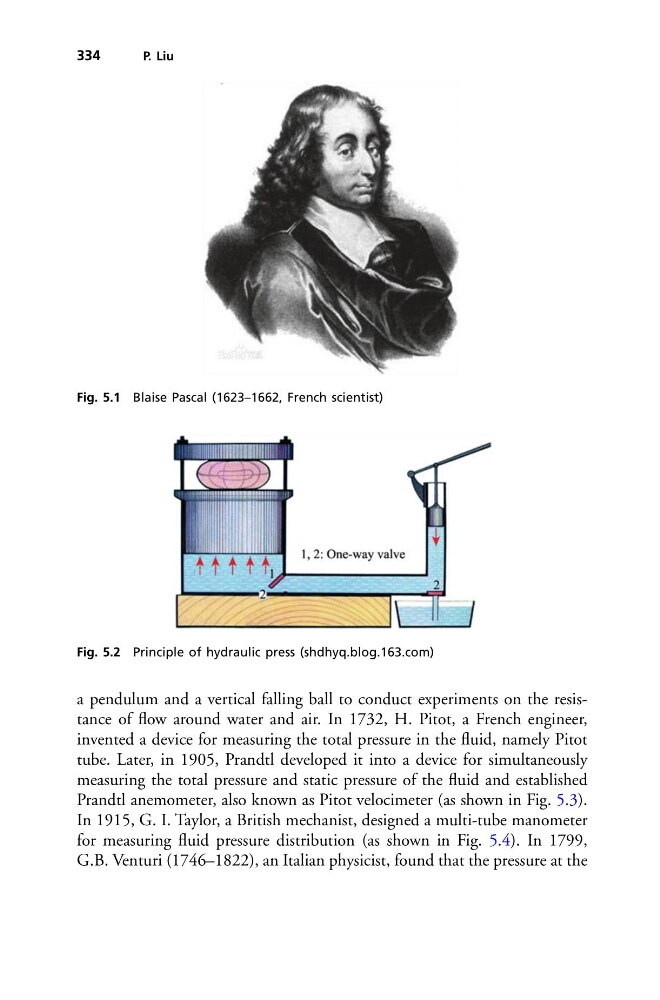
Fig. 5.2 Principle of hydraulic press (shdhyq.blog.163.com)
a pendulum and a vertical falling ball to conduct experiments on the resistance of flow around water and air. In 1732, H. Pitot, a French engineer,
invented a device for measuring the total pressure in the fluid, namely Pitot
tube. Later, in 1905, Prandtl developed it into a device for simultaneously
measuring the total pressure and static pressure of the fluid and established
Prandtl anemometer, also known as Pitot velocimeter (as shown in Fig. 5.3).
In 1915, G. I. Taylor, a British mechanist, designed a multi-tube manometer
for measuring fluid pressure distribution (as shown in Fig. 5.4). In 1799,
G.B. Venturi (1746–1822), an Italian physicist, found that the pressure at the
P. Liu
Fig. 5.1 Blaise Pascal (1623–1662, French scientist)
Fig. 5.2 Principle of hydraulic press (shdhyq.blog.163.com)
a pendulum and a vertical falling ball to conduct experiments on the resistance of flow around water and air. In 1732, H. Pitot, a French engineer,
invented a device for measuring the total pressure in the fluid, namely Pitot
tube. Later, in 1905, Prandtl developed it into a device for simultaneously
measuring the total pressure and static pressure of the fluid and established
Prandtl anemometer, also known as Pitot velocimeter (as shown in Fig. 5.3).
In 1915, G. I. Taylor, a British mechanist, designed a multi-tube manometer
for measuring fluid pressure distribution (as shown in Fig. 5.4). In 1799,
G.B. Venturi (1746–1822), an Italian physicist, found that the pressure at the