

they perceive or believe to be correct, because perceptions and biases are not easily
altered with new knowledge (Irwin and Wynne 2003). Kahan et al. (2009) reported
that peoples’ attitudes are prone to be formed by psychological dynamics linked with
cultural cognition. Just knowledge dissemination is not enough, but influencing
sociopsychological factors and educating people are required to change their attitude, behavior, and belief system toward a new technology. There is need to develop
a mechanism for education-led awareness of nanotechnology. Experienced
researchers, professors, and teachers should provide accurate information on nanotechnologies and their applications to the public. History has revealed that attempts
to fix up risk perceptions with education campaigns may be adverse if the welfares
are over highlighted and the hazards are concealed (Satterfield et al. 2009).
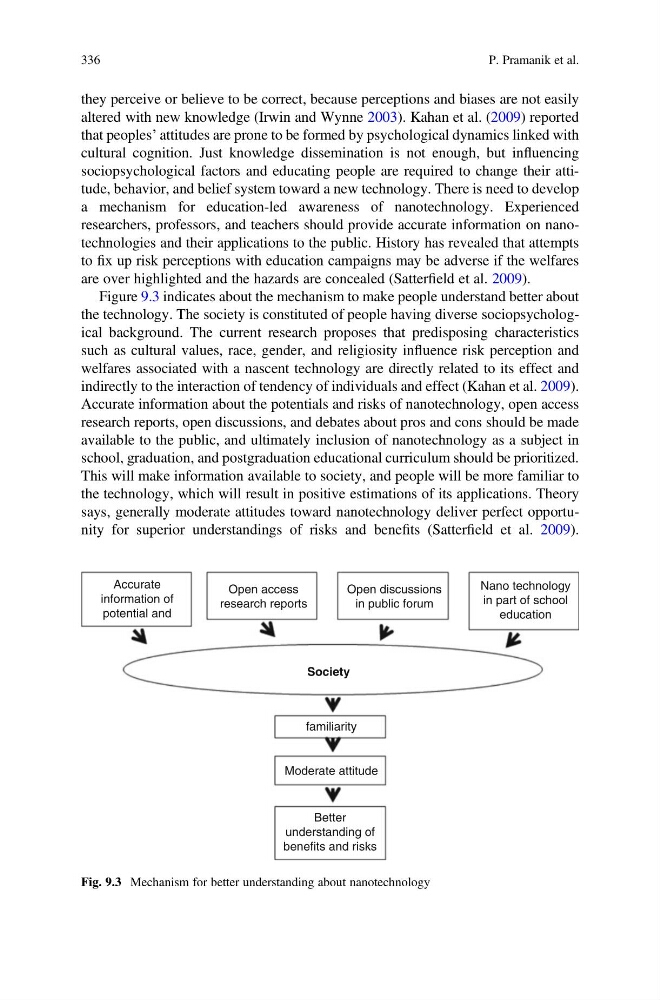
Figure 9.3 indicates about the mechanism to make people understand better about
the technology. The society is constituted of people having diverse sociopsychological background. The current research proposes that predisposing characteristics
such as cultural values, race, gender, and religiosity influence risk perception and
welfares associated with a nascent technology are directly related to its effect and
indirectly to the interaction of tendency of individuals and effect (Kahan et al. 2009).
Accurate information about the potentials and risks of nanotechnology, open access
research reports, open discussions, and debates about pros and cons should be made
available to the public, and ultimately inclusion of nanotechnology as a subject in
school, graduation, and postgraduation educational curriculum should be prioritized.
This will make information available to society, and people will be more familiar to
the technology, which will result in positive estimations of its applications. Theory
says, generally moderate attitudes toward nanotechnology deliver perfect opportunity for superior understandings of risks and benefits (Satterfield et al. 2009).
Accurate
information of
potential and
Open access
research reports
Open discussions
in public forum
Nano technology
in part of school
education
Society
familiarity
Moderate attitude
Better
understanding of
benefits and risks
Fig. 9.3 Mechanism for better understanding about nanotechnology
336
P. Pramanik et al.
altered with new knowledge (Irwin and Wynne 2003). Kahan et al. (2009) reported
that peoples’ attitudes are prone to be formed by psychological dynamics linked with
cultural cognition. Just knowledge dissemination is not enough, but influencing
sociopsychological factors and educating people are required to change their attitude, behavior, and belief system toward a new technology. There is need to develop
a mechanism for education-led awareness of nanotechnology. Experienced
researchers, professors, and teachers should provide accurate information on nanotechnologies and their applications to the public. History has revealed that attempts
to fix up risk perceptions with education campaigns may be adverse if the welfares
are over highlighted and the hazards are concealed (Satterfield et al. 2009).
Figure 9.3 indicates about the mechanism to make people understand better about
the technology. The society is constituted of people having diverse sociopsychological background. The current research proposes that predisposing characteristics
such as cultural values, race, gender, and religiosity influence risk perception and
welfares associated with a nascent technology are directly related to its effect and
indirectly to the interaction of tendency of individuals and effect (Kahan et al. 2009).
Accurate information about the potentials and risks of nanotechnology, open access
research reports, open discussions, and debates about pros and cons should be made
available to the public, and ultimately inclusion of nanotechnology as a subject in
school, graduation, and postgraduation educational curriculum should be prioritized.
This will make information available to society, and people will be more familiar to
the technology, which will result in positive estimations of its applications. Theory
says, generally moderate attitudes toward nanotechnology deliver perfect opportunity for superior understandings of risks and benefits (Satterfield et al. 2009).
Accurate
information of
potential and
Open access
research reports
Open discussions
in public forum
Nano technology
in part of school
education
Society
familiarity
Moderate attitude
Better
understanding of
benefits and risks
Fig. 9.3 Mechanism for better understanding about nanotechnology
336
P. Pramanik et al.