

22
G. Romanescu et al.
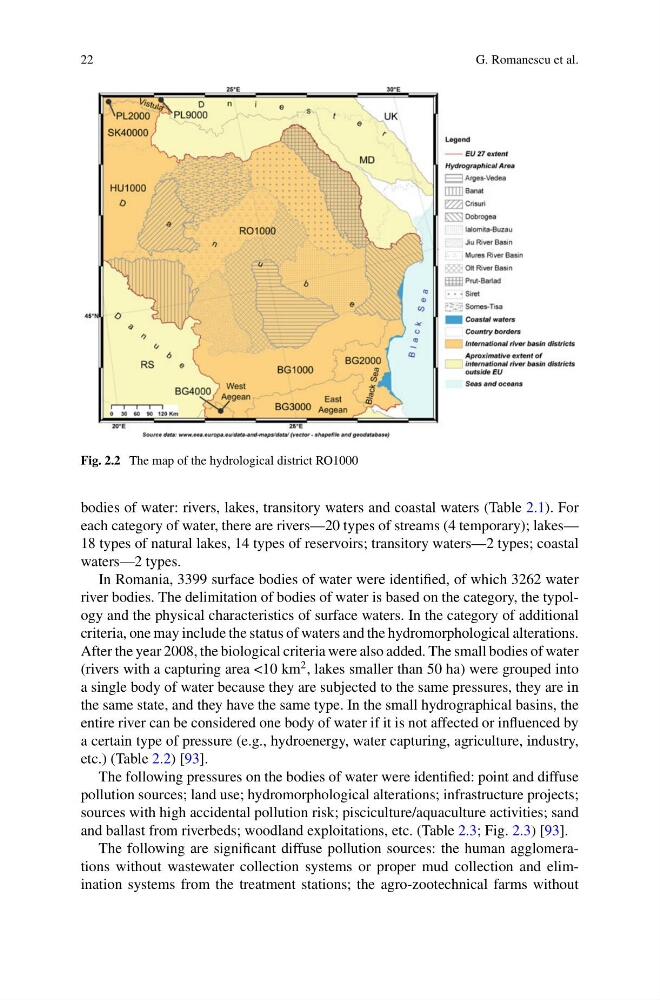
Fig. 2.2 The map of the hydrological district RO1000
bodies of water: rivers, lakes, transitory waters and coastal waters (Table 2.1). For
each category of water, there are rivers—20 types of streams (4 temporary); lakes—
18 types of natural lakes, 14 types of reservoirs; transitory waters—2 types; coastal
waters—2 types.
In Romania, 3399 surface bodies of water were identified, of which 3262 water
river bodies. The delimitation of bodies of water is based on the category, the typology and the physical characteristics of surface waters. In the category of additional
criteria, one may include the status of waters and the hydromorphological alterations.
After the year 2008, the biological criteria were also added. The small bodies of water
(rivers with a capturing area <10 km
2 , lakes smaller than 50 ha) were grouped into
a single body of water because they are subjected to the same pressures, they are in
the same state, and they have the same type. In the small hydrographical basins, the
entire river can be considered one body of water if it is not affected or influenced by
a certain type of pressure (e.g., hydroenergy, water capturing, agriculture, industry,
etc.) (Table 2.2) [93].
The following pressures on the bodies of water were identified: point and diffuse
pollution sources; land use; hydromorphological alterations; infrastructure projects;
sources with high accidental pollution risk; pisciculture/aquaculture activities; sand
and ballast from riverbeds; woodland exploitations, etc. (Table 2.3; Fig. 2.3) [93].
The following are significant diffuse pollution sources: the human agglomerations without wastewater collection systems or proper mud collection and elimination systems from the treatment stations; the agro-zootechnical farms without
G. Romanescu et al.
Fig. 2.2 The map of the hydrological district RO1000
bodies of water: rivers, lakes, transitory waters and coastal waters (Table 2.1). For
each category of water, there are rivers—20 types of streams (4 temporary); lakes—
18 types of natural lakes, 14 types of reservoirs; transitory waters—2 types; coastal
waters—2 types.
In Romania, 3399 surface bodies of water were identified, of which 3262 water
river bodies. The delimitation of bodies of water is based on the category, the typology and the physical characteristics of surface waters. In the category of additional
criteria, one may include the status of waters and the hydromorphological alterations.
After the year 2008, the biological criteria were also added. The small bodies of water
(rivers with a capturing area <10 km
2 , lakes smaller than 50 ha) were grouped into
a single body of water because they are subjected to the same pressures, they are in
the same state, and they have the same type. In the small hydrographical basins, the
entire river can be considered one body of water if it is not affected or influenced by
a certain type of pressure (e.g., hydroenergy, water capturing, agriculture, industry,
etc.) (Table 2.2) [93].
The following pressures on the bodies of water were identified: point and diffuse
pollution sources; land use; hydromorphological alterations; infrastructure projects;
sources with high accidental pollution risk; pisciculture/aquaculture activities; sand
and ballast from riverbeds; woodland exploitations, etc. (Table 2.3; Fig. 2.3) [93].
The following are significant diffuse pollution sources: the human agglomerations without wastewater collection systems or proper mud collection and elimination systems from the treatment stations; the agro-zootechnical farms without