

238
I. Minea
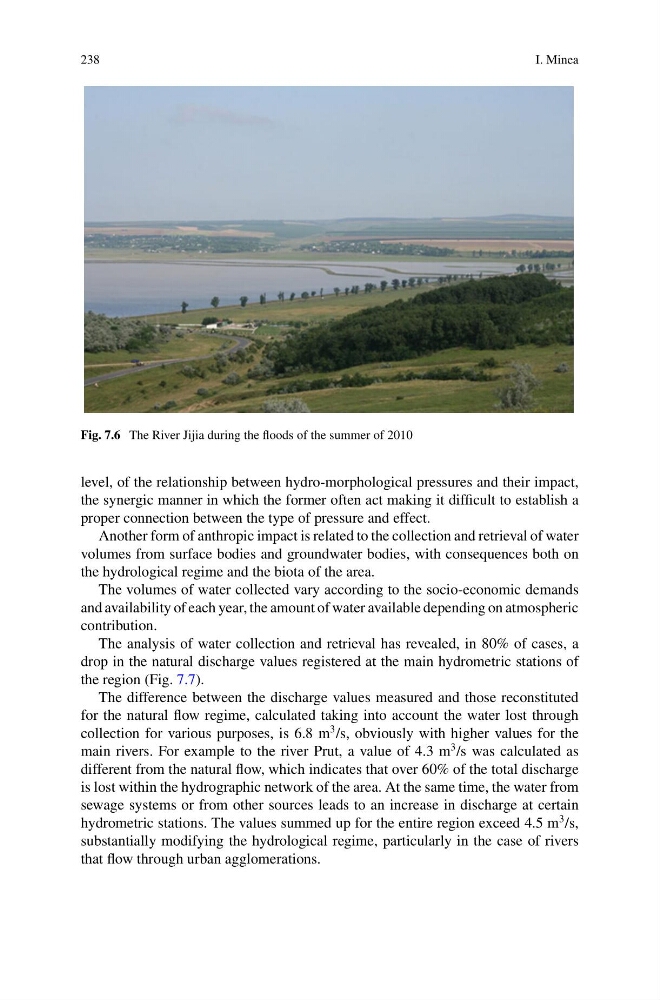
Fig. 7.6 The River Jijia during the floods of the summer of 2010
level, of the relationship between hydro-morphological pressures and their impact,
the synergic manner in which the former often act making it difficult to establish a
proper connection between the type of pressure and effect.
Another form of anthropic impact is related to the collection and retrieval of water
volumes from surface bodies and groundwater bodies, with consequences both on
the hydrological regime and the biota of the area.
The volumes of water collected vary according to the socio-economic demands
and availability of each year, the amount of water available depending on atmospheric
contribution.
The analysis of water collection and retrieval has revealed, in 80% of cases, a
drop in the natural discharge values registered at the main hydrometric stations of
the region (Fig. 7.7).
The difference between the discharge values measured and those reconstituted
for the natural flow regime, calculated taking into account the water lost through
collection for various purposes, is 6.8 m
3 /s, obviously with higher values for the
main rivers. For example to the river Prut, a value of 4.3 m
3 /s was calculated as
different from the natural flow, which indicates that over 60% of the total discharge
is lost within the hydrographic network of the area. At the same time, the water from
sewage systems or from other sources leads to an increase in discharge at certain
hydrometric stations. The values summed up for the entire region exceed 4.5 m
3 /s,
substantially modifying the hydrological regime, particularly in the case of rivers
that flow through urban agglomerations.
I. Minea
Fig. 7.6 The River Jijia during the floods of the summer of 2010
level, of the relationship between hydro-morphological pressures and their impact,
the synergic manner in which the former often act making it difficult to establish a
proper connection between the type of pressure and effect.
Another form of anthropic impact is related to the collection and retrieval of water
volumes from surface bodies and groundwater bodies, with consequences both on
the hydrological regime and the biota of the area.
The volumes of water collected vary according to the socio-economic demands
and availability of each year, the amount of water available depending on atmospheric
contribution.
The analysis of water collection and retrieval has revealed, in 80% of cases, a
drop in the natural discharge values registered at the main hydrometric stations of
the region (Fig. 7.7).
The difference between the discharge values measured and those reconstituted
for the natural flow regime, calculated taking into account the water lost through
collection for various purposes, is 6.8 m
3 /s, obviously with higher values for the
main rivers. For example to the river Prut, a value of 4.3 m
3 /s was calculated as
different from the natural flow, which indicates that over 60% of the total discharge
is lost within the hydrographic network of the area. At the same time, the water from
sewage systems or from other sources leads to an increase in discharge at certain
hydrometric stations. The values summed up for the entire region exceed 4.5 m
3 /s,
substantially modifying the hydrological regime, particularly in the case of rivers
that flow through urban agglomerations.