

3 Causes and Effects of Water Pollution in Romania
101
water reservoir uses for human consumption, the presence of microorganisms with
pathogenic potential has been a significant health hazard, mostly in rural area, highly
contaminated with petroleum products and phenolic compounds due to the groundwater aquifer from the Prahova-Teleajen alluvial cone. A positive correlation was
found between the density of total coliform bacteria, Escherichia coli, enterococci
and phosphate concentrations at sampling site. The main cause is the infiltration of
residual waters from surrounding households, rainfall water leaching from fertilized
agricultural crops (gardens) or manure storage [198].
From the analysis of the published works for the underground water can be noticed
that the most studied indicators with a special impact on the quality of the environment
and population health are: nitrates, ammonium, chlorides, sulphates, toxic metals for
the environment, orthophosphates, phenols, arsenic. The causes of pollution of the
aquatic groundwater with nitrogen are multiple and have a cumulative character. The
main sources of nitrate pollution are permanent washing of soil impregnated with
nitrogen compounds from the application of chemical fertilizers on some arable land
categories, by atmospheric precipitation and irrigation water; the lack of wastewater
collection systems, especially in rural agglomerations. Exceedances of the quality
standard for nitrates are mainly recorded in areas where the soil is affected by the
application of chemical fertilizers, large present and former chemical compound
areas, but these overflows, which may pose a danger of pollution of the aquifers in the
area, given the hydrodynamic character and the hydraulic conductivity of the water
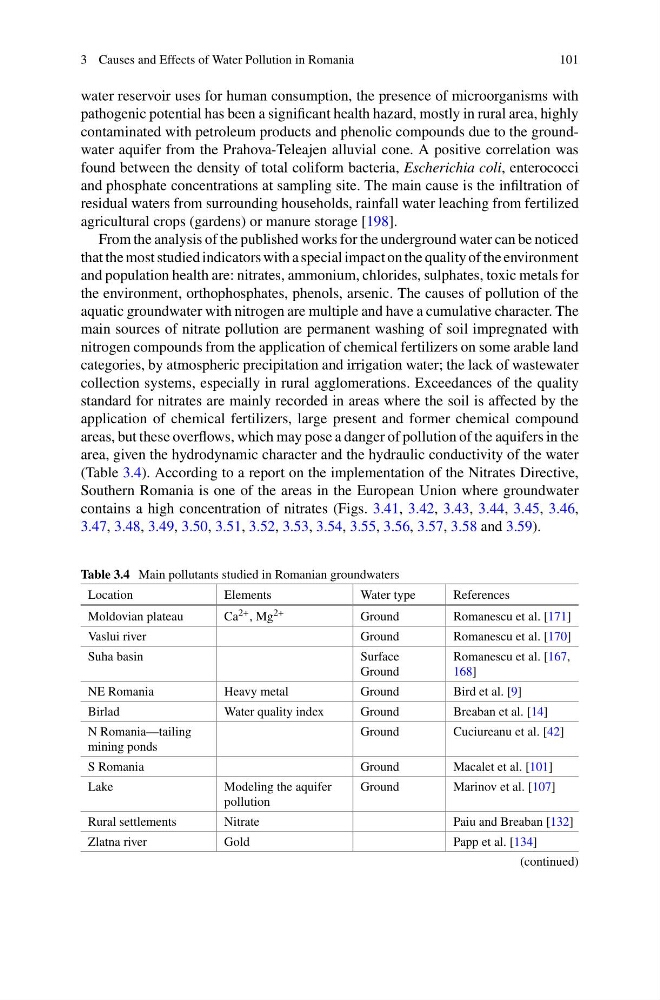
(Table 3.4). According to a report on the implementation of the Nitrates Directive,
Southern Romania is one of the areas in the European Union where groundwater
contains a high concentration of nitrates (Figs. 3.41, 3.42, 3.43, 3.44, 3.45, 3.46,
3.47, 3.48, 3.49, 3.50, 3.51, 3.52, 3.53, 3.54, 3.55, 3.56, 3.57, 3.58 and 3.59).
Table 3.4 Main pollutants studied in Romanian groundwaters
Location
Elements
Water type
References
Moldovian plateau
Ca 2+ , Mg 2+
Ground
Romanescu et al. [171]
Vaslui river
Ground
Romanescu et al. [170]
Suha basin
Surface
Ground
Romanescu et al. [167,
168]
NE Romania
Heavy metal
Ground
Bird et al. [9]
Birlad
Water quality index
Ground
Breaban et al. [14]
N Romania—tailing
mining ponds
Ground
Cuciureanu et al. [42]
S Romania
Ground
Macalet et al. [101]
Lake
Modeling the aquifer
pollution
Ground
Marinov et al. [107]
Rural settlements
Nitrate
Paiu and Breaban [132]
Zlatna river
Gold
Papp et al. [134]
(continued)
101
water reservoir uses for human consumption, the presence of microorganisms with
pathogenic potential has been a significant health hazard, mostly in rural area, highly
contaminated with petroleum products and phenolic compounds due to the groundwater aquifer from the Prahova-Teleajen alluvial cone. A positive correlation was
found between the density of total coliform bacteria, Escherichia coli, enterococci
and phosphate concentrations at sampling site. The main cause is the infiltration of
residual waters from surrounding households, rainfall water leaching from fertilized
agricultural crops (gardens) or manure storage [198].
From the analysis of the published works for the underground water can be noticed
that the most studied indicators with a special impact on the quality of the environment
and population health are: nitrates, ammonium, chlorides, sulphates, toxic metals for
the environment, orthophosphates, phenols, arsenic. The causes of pollution of the
aquatic groundwater with nitrogen are multiple and have a cumulative character. The
main sources of nitrate pollution are permanent washing of soil impregnated with
nitrogen compounds from the application of chemical fertilizers on some arable land
categories, by atmospheric precipitation and irrigation water; the lack of wastewater
collection systems, especially in rural agglomerations. Exceedances of the quality
standard for nitrates are mainly recorded in areas where the soil is affected by the
application of chemical fertilizers, large present and former chemical compound
areas, but these overflows, which may pose a danger of pollution of the aquifers in the
area, given the hydrodynamic character and the hydraulic conductivity of the water
(Table 3.4). According to a report on the implementation of the Nitrates Directive,
Southern Romania is one of the areas in the European Union where groundwater
contains a high concentration of nitrates (Figs. 3.41, 3.42, 3.43, 3.44, 3.45, 3.46,
3.47, 3.48, 3.49, 3.50, 3.51, 3.52, 3.53, 3.54, 3.55, 3.56, 3.57, 3.58 and 3.59).
Table 3.4 Main pollutants studied in Romanian groundwaters
Location
Elements
Water type
References
Moldovian plateau
Ca 2+ , Mg 2+
Ground
Romanescu et al. [171]
Vaslui river
Ground
Romanescu et al. [170]
Suha basin
Surface
Ground
Romanescu et al. [167,
168]
NE Romania
Heavy metal
Ground
Bird et al. [9]
Birlad
Water quality index
Ground
Breaban et al. [14]
N Romania—tailing
mining ponds
Ground
Cuciureanu et al. [42]
S Romania
Ground
Macalet et al. [101]
Lake
Modeling the aquifer
pollution
Ground
Marinov et al. [107]
Rural settlements
Nitrate
Paiu and Breaban [132]
Zlatna river
Gold
Papp et al. [134]
(continued)