

5
pronounced in drylands, with an average increase of 1.7 °C between the years 1948
and 2008 (Huang et al. 2012); this warming trend is about 2.1 and 1.5 times greater
than any increase observed in humid regions and globally, respectively (Huang et al.
2015, 2017a, b). Over a sixty-year period (1948–2008), drylands have expanded to
their current extension (Feng and Fu 2013). Drylands are one of the most vulnerable
biomes to climate warming, likely unable to tolerate the 2 °C warming threshold of
the 2015 Paris agreement (Huang et al. 2017a). When considering high CO 2 emission
scenarios (RCP 8.5), global drylands are predicted to expand at an even faster rate in
that they will cover up to 56% of the terrestrial surface by 2071–2100 (Huang et al.
2015, 2017b). When considering only the CO 2 fertilization effect, drylands are predicted to increase their productivity. It has been shown that within 28 years (1982–
2010) leaf cover has increased by 11% likely attributable to a 14% increase in
atmospheric CO 2 concentration (Donohue et al. 2013). Finally, recent simulation
models suggest that temperate drylands will shrink by a third and convert to subtropical drylands, and that drought may reduce water availability primarily at deep soil
layers during the growing season with obvious implications on vegetation shifts,
declines in ecosystem services supply and livelihood options (Schlaepfer et al. 2017).
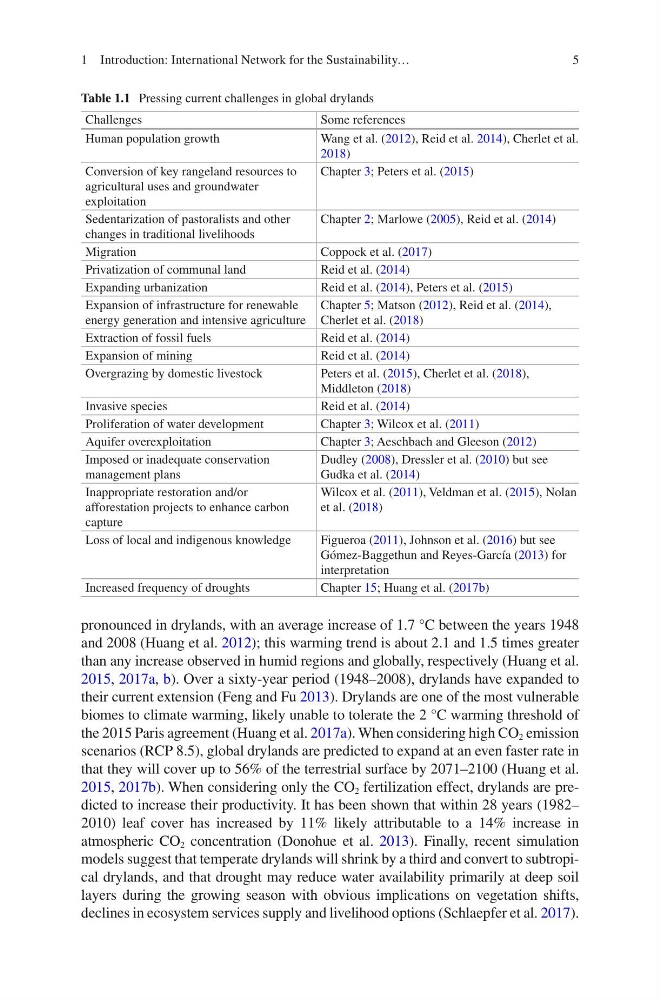
Table 1.1 Pressing current challenges in global drylands
Challenges
Some references
Human population growth
Wang et al. (2012), Reid et al. 2014), Cherlet et al.
2018)
Conversion of key rangeland resources to
agricultural uses and groundwater
exploitation
Chapter 3; Peters et al. (2015)
Sedentarization of pastoralists and other
changes in traditional livelihoods
Chapter 2; Marlowe (2005), Reid et al. (2014)
Migration
Coppock et al. (2017)
Privatization of communal land
Reid et al. (2014)
Expanding urbanization
Reid et al. (2014), Peters et al. (2015)
Expansion of infrastructure for renewable
energy generation and intensive agriculture
Chapter 5; Matson (2012), Reid et al. (2014),
Cherlet et al. (2018)
Extraction of fossil fuels
Reid et al. (2014)
Expansion of mining
Reid et al. (2014)
Overgrazing by domestic livestock
Peters et al. (2015), Cherlet et al. (2018),
Middleton (2018)
Invasive species
Reid et al. (2014)
Proliferation of water development
Chapter 3; Wilcox et al. (2011)
Aquifer overexploitation
Chapter 3; Aeschbach and Gleeson (2012)
Imposed or inadequate conservation
management plans
Dudley (2008), Dressler et al. (2010) but see
Gudka et al. (2014)
Inappropriate restoration and/or
afforestation projects to enhance carbon
capture
Wilcox et al. (2011), Veldman et al. (2015), Nolan
et al. (2018)
Loss of local and indigenous knowledge
Figueroa (2011), Johnson et al. (2016) but see
Gómez-Baggethun and Reyes-García (2013) for
interpretation
Increased frequency of droughts
Chapter 15; Huang et al. (2017b)
1 Introduction: International Network for the Sustainability…
pronounced in drylands, with an average increase of 1.7 °C between the years 1948
and 2008 (Huang et al. 2012); this warming trend is about 2.1 and 1.5 times greater
than any increase observed in humid regions and globally, respectively (Huang et al.
2015, 2017a, b). Over a sixty-year period (1948–2008), drylands have expanded to
their current extension (Feng and Fu 2013). Drylands are one of the most vulnerable
biomes to climate warming, likely unable to tolerate the 2 °C warming threshold of
the 2015 Paris agreement (Huang et al. 2017a). When considering high CO 2 emission
scenarios (RCP 8.5), global drylands are predicted to expand at an even faster rate in
that they will cover up to 56% of the terrestrial surface by 2071–2100 (Huang et al.
2015, 2017b). When considering only the CO 2 fertilization effect, drylands are predicted to increase their productivity. It has been shown that within 28 years (1982–
2010) leaf cover has increased by 11% likely attributable to a 14% increase in
atmospheric CO 2 concentration (Donohue et al. 2013). Finally, recent simulation
models suggest that temperate drylands will shrink by a third and convert to subtropical drylands, and that drought may reduce water availability primarily at deep soil
layers during the growing season with obvious implications on vegetation shifts,
declines in ecosystem services supply and livelihood options (Schlaepfer et al. 2017).
Table 1.1 Pressing current challenges in global drylands
Challenges
Some references
Human population growth
Wang et al. (2012), Reid et al. 2014), Cherlet et al.
2018)
Conversion of key rangeland resources to
agricultural uses and groundwater
exploitation
Chapter 3; Peters et al. (2015)
Sedentarization of pastoralists and other
changes in traditional livelihoods
Chapter 2; Marlowe (2005), Reid et al. (2014)
Migration
Coppock et al. (2017)
Privatization of communal land
Reid et al. (2014)
Expanding urbanization
Reid et al. (2014), Peters et al. (2015)
Expansion of infrastructure for renewable
energy generation and intensive agriculture
Chapter 5; Matson (2012), Reid et al. (2014),
Cherlet et al. (2018)
Extraction of fossil fuels
Reid et al. (2014)
Expansion of mining
Reid et al. (2014)
Overgrazing by domestic livestock
Peters et al. (2015), Cherlet et al. (2018),
Middleton (2018)
Invasive species
Reid et al. (2014)
Proliferation of water development
Chapter 3; Wilcox et al. (2011)
Aquifer overexploitation
Chapter 3; Aeschbach and Gleeson (2012)
Imposed or inadequate conservation
management plans
Dudley (2008), Dressler et al. (2010) but see
Gudka et al. (2014)
Inappropriate restoration and/or
afforestation projects to enhance carbon
capture
Wilcox et al. (2011), Veldman et al. (2015), Nolan
et al. (2018)
Loss of local and indigenous knowledge
Figueroa (2011), Johnson et al. (2016) but see
Gómez-Baggethun and Reyes-García (2013) for
interpretation
Increased frequency of droughts
Chapter 15; Huang et al. (2017b)
1 Introduction: International Network for the Sustainability…