

rates depending on environmental context. Nitrogen deposition would lead to
significant eutrophication in the soils of grasslands. The concentrations of soil
inorganic N concentrations significantly increased with the increases of N addition
rates in a temperate steppe (Zhang et al. 2015) and in an alpine grassland (Peng et al.
2017). The accumulation of ammonium in soils would have negative impacts on
plant and fauna communities (Wei et al. 2012, Zhang et al. 2014). Furthermore, N
enrichment would also increase the concentrations of plant-available phosphorus in
soils (Lü et al. 2013) due to its stimulation on the activities of phosphatase (Marklein
and Houlton 2012). The soil nutrient eutrophication following N deposition is not
only due to the direct consequence of N enrichment but also due to the alteration of
nutrient cycling processes.
Compared to the grasslands in other regions of the world, the rates of soil gross N
mineralization and ammonia immobilization in Chinese temperate grassland are
much lower, whereas autotrophic nitrification rates are significantly higher (Wang
et al. 2016). Furthermore, the primary mineral N consumption processes, including
immobilization of nitrate and ammonia and dissimilatory nitrate reduction to ammonium, are generally much lower in temperate grassland soils in China, compared to
other temperate grasslands in the world (Wang et al. 2016). Those results indicate
that the risk of N losses following N deposition would be much higher in the
grasslands of China than that in other grasslands of the world.
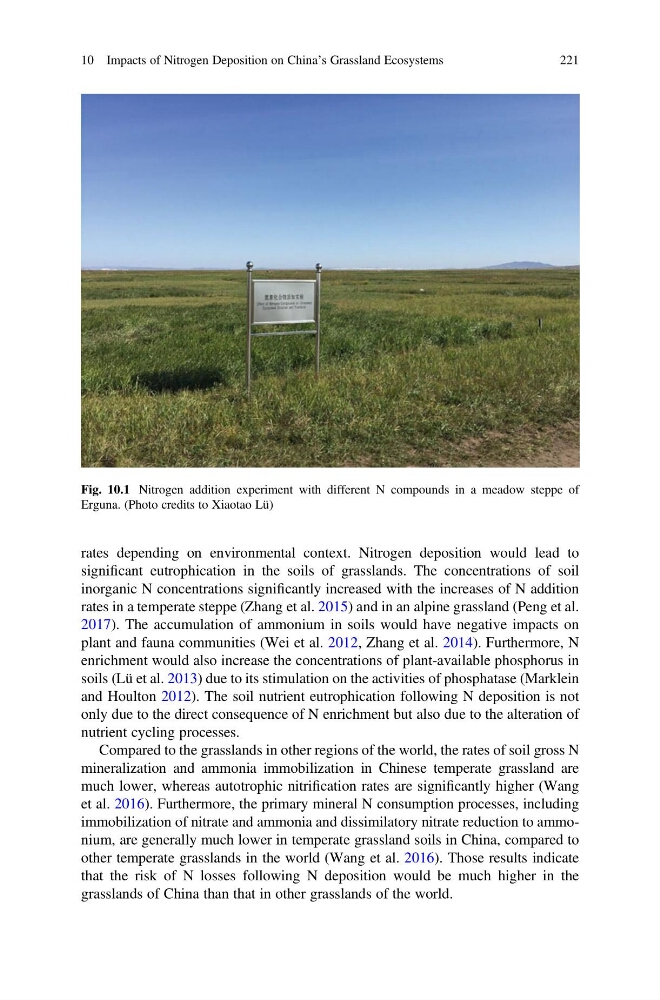
Fig. 10.1 Nitrogen addition experiment with different N compounds in a meadow steppe of
Erguna. (Photo credits to Xiaotao Lü)
10 Impacts of Nitrogen Deposition on China’s Grassland Ecosystems
221
significant eutrophication in the soils of grasslands. The concentrations of soil
inorganic N concentrations significantly increased with the increases of N addition
rates in a temperate steppe (Zhang et al. 2015) and in an alpine grassland (Peng et al.
2017). The accumulation of ammonium in soils would have negative impacts on
plant and fauna communities (Wei et al. 2012, Zhang et al. 2014). Furthermore, N
enrichment would also increase the concentrations of plant-available phosphorus in
soils (Lü et al. 2013) due to its stimulation on the activities of phosphatase (Marklein
and Houlton 2012). The soil nutrient eutrophication following N deposition is not
only due to the direct consequence of N enrichment but also due to the alteration of
nutrient cycling processes.
Compared to the grasslands in other regions of the world, the rates of soil gross N
mineralization and ammonia immobilization in Chinese temperate grassland are
much lower, whereas autotrophic nitrification rates are significantly higher (Wang
et al. 2016). Furthermore, the primary mineral N consumption processes, including
immobilization of nitrate and ammonia and dissimilatory nitrate reduction to ammonium, are generally much lower in temperate grassland soils in China, compared to
other temperate grasslands in the world (Wang et al. 2016). Those results indicate
that the risk of N losses following N deposition would be much higher in the
grasslands of China than that in other grasslands of the world.
Fig. 10.1 Nitrogen addition experiment with different N compounds in a meadow steppe of
Erguna. (Photo credits to Xiaotao Lü)
10 Impacts of Nitrogen Deposition on China’s Grassland Ecosystems
221